 Rahul Somvanshi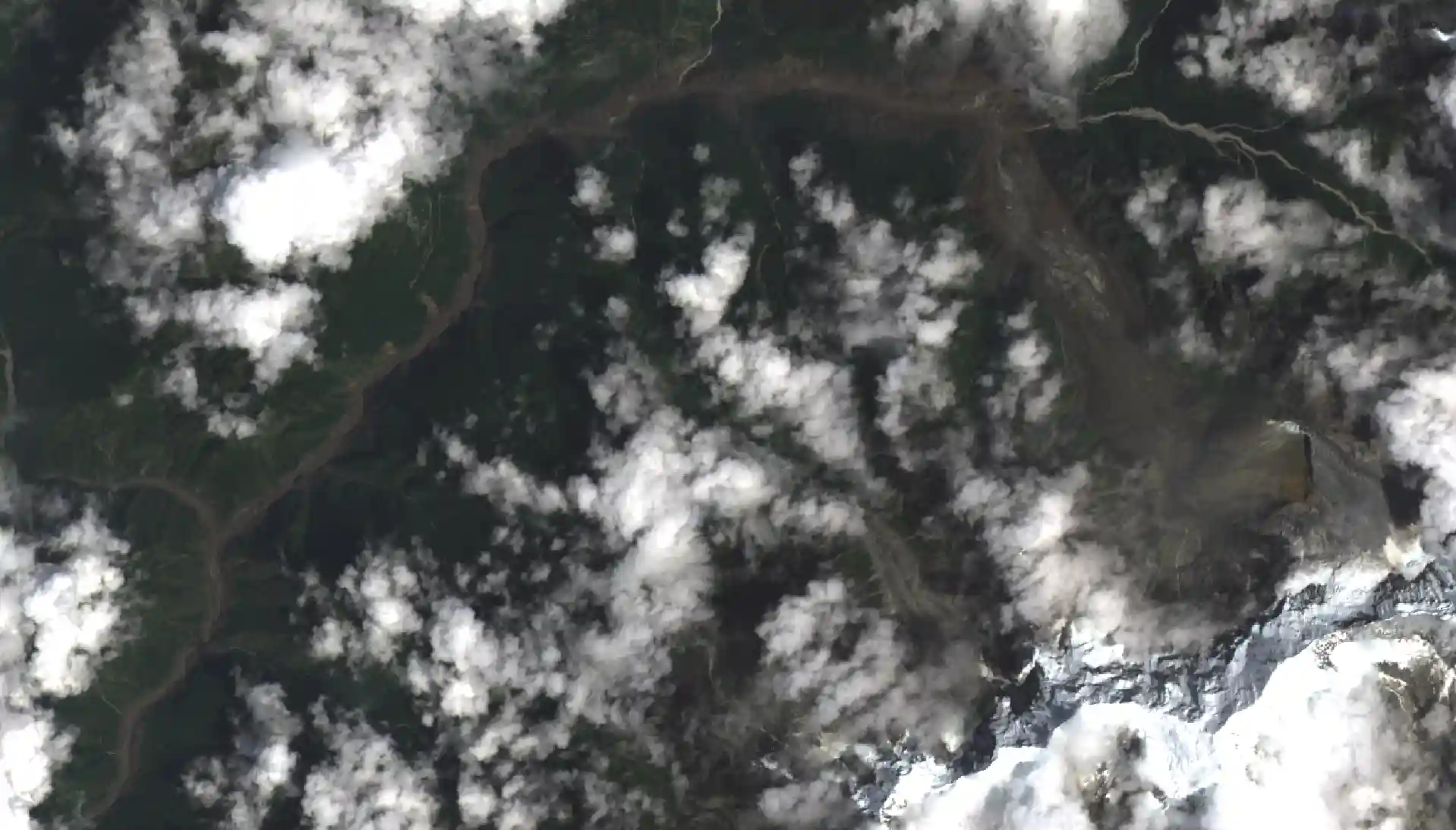
On August 26, 2026, a wall of water and debris swept through Nepal’s Rasuwa District with devastating speed. Within 30 minutes, the Trishuli River at Galchchi rose 9 metres—nearly a four-storey building in height. At Malekhu, downstream, the water level climbed about 7 metres over a similar timeframe. The sheer velocity of these rises explains the destruction without exaggeration.
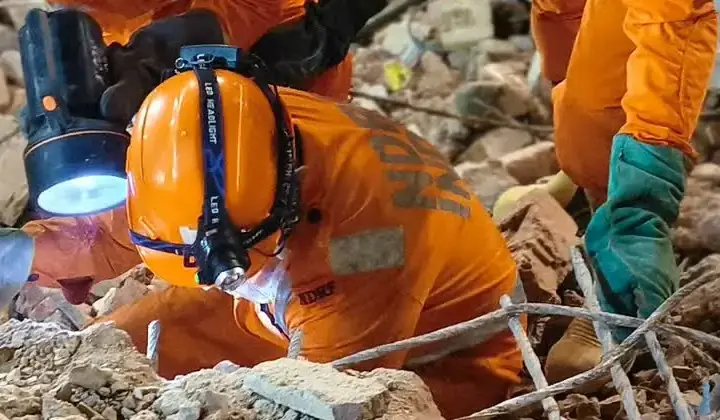
According to a Nepal Police bulletin issued at 8:30 p.m. on August 26, at least 100 deaths were confirmed, with search-and-rescue operations continuing. As the event was still unfolding, this count was preliminary and subject to revision as teams accessed remote areas. (Later recovery operations reported casualty figures exceeding 160 as rescue operations expanded into August 27.)
The Bhote Koshi River originates in Tibet’s Gyirong County, where it’s known as the Jilong Zangbo, before flowing into Nepal and merging to form the Trishuli system. The floodwaters damaged critical infrastructure along the border corridor—the Rasuwagadhi customs post, transport routes, bridges, and multiple hydropower installations downstream. The Nepal Army and Armed Police Force deployed evacuation teams, including the rescue of 21 Indian citizens caught in the border zone.
What caused this sudden surge? Scientists from the International Centre for Integrated Mountain Development (ICIMOD) are investigating a suspected ice-rock avalanche that entered the Lende Khola, a tributary stream. A possible temporary blockage of the river by debris may have accumulated water upstream, which then released catastrophically when the dam gave way. ICIMOD also noted unusual seismic signals and damage to monitoring stations in the area. The investigation is ongoing; no established causal link has yet been confirmed between seismic activity and the flood itself.
Some Nepali journalist associations and regional observers raised questions about whether civil engineering projects upstream—road construction, blasting, or drainage channel modifications along the Tibetan border corridor—may have exacerbated runoff during the heavy monsoon rains. However, Down To Earth, which first reported these concerns, explicitly stated it could not independently verify the allegations. Scientific assessments available so far have focused on investigating the ice-rock avalanche and temporary river blockage mechanisms.
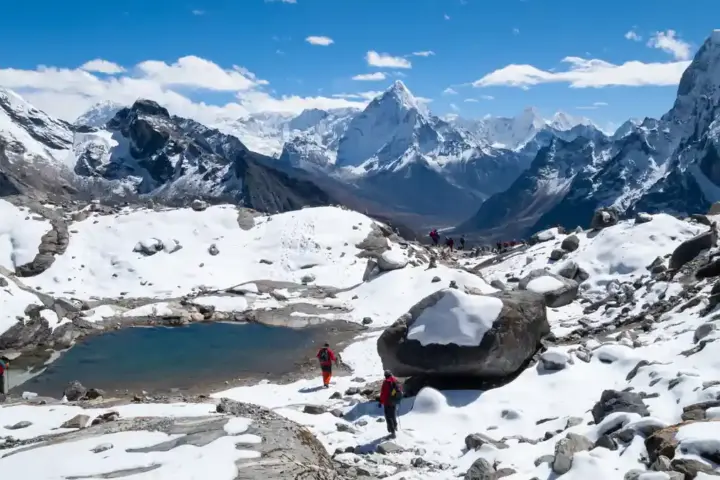
The Hindu Kush Himalaya is no stranger to cryosphere-related disasters. Relief operations for Nepal have documented repeated flood events along the same mountain corridors. The broader picture is one of accelerating glacier change: HKH glaciers are losing ice at an accelerating rate, with ice-loss rates having doubled since 2000, according to ICIMOD data. But scientists are clear on an important distinction: the regional evidence establishes accelerating glacier change; it does not by itself prove that climate change caused this particular August 2026 event. ICIMOD explicitly states that the role of climate change in this specific flood remains undetermined.
The Nepal-Tibet border flood disaster highlights a vulnerability in the region’s complex transboundary hydrology. The Rasuwagadhi-Kerung border crossing serves as Nepal’s primary terrestrial trade corridor with China. Disruption to this route has immediate economic consequences for bilateral commerce. As investigations continue, the focus remains on understanding the sequence of events that transformed a mountain stream into a torrent in mere minutes. The World Meteorological Organization has warned that climate-driven flood patterns across mountain regions show no sign of abating—adding urgency to improved early-warning systems in the Hindu Kush Himalaya. Earlier this year, Assam’s catastrophic flooding highlighted how inadequate embankments accelerate damage even when river systems receive normal monsoon flows.