Sunita Somvanshi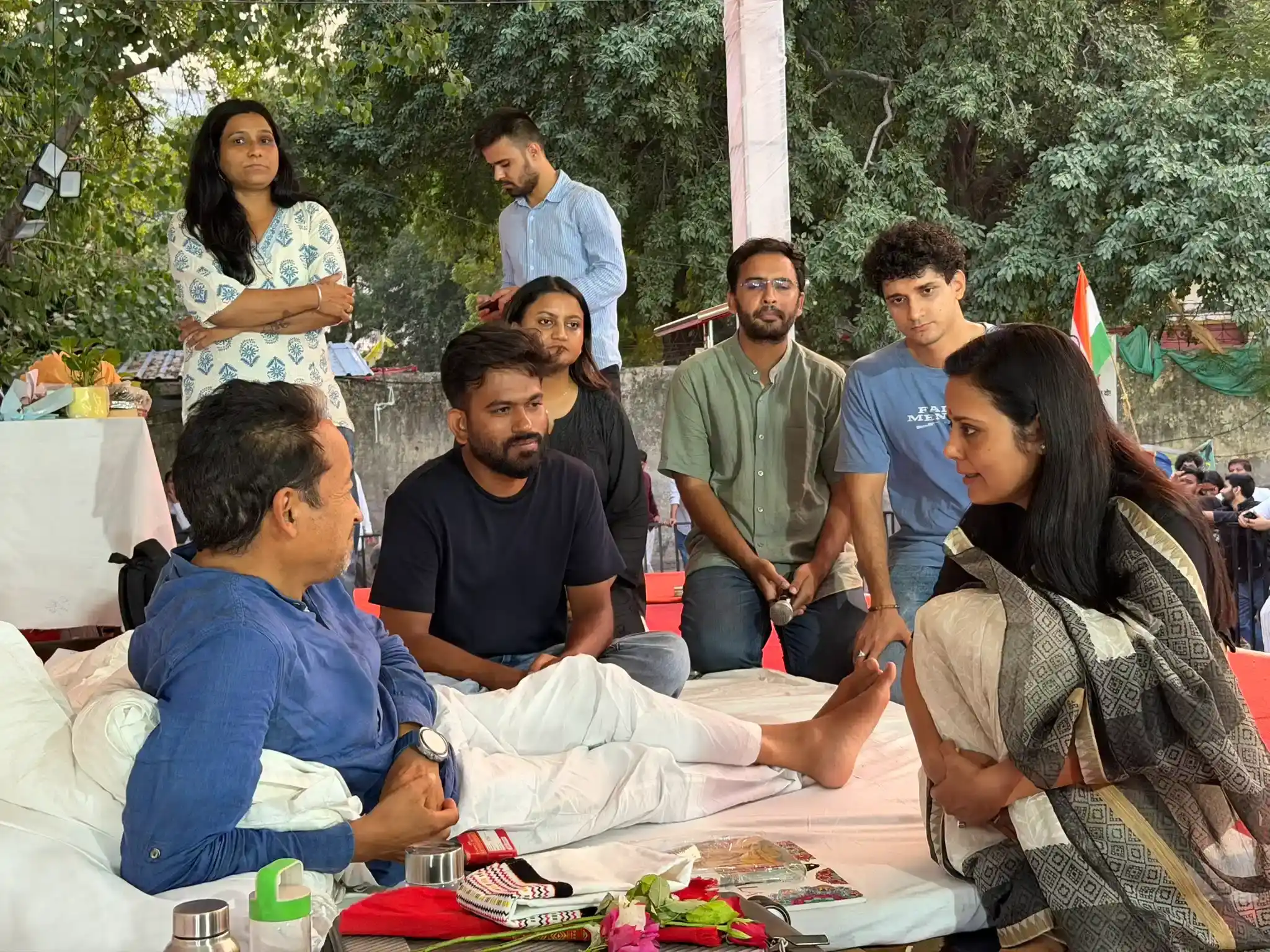
Abhijeet Dipke, founder of the Cockroach Janta Party (CJP), released a powerful message to India’s youth in July 2026, amplifying the voice of a movement that has captured the frustration of millions of young people across the country. The message comes at a critical moment when the CJP’s influence continues to expand, with the movement amassing 22.5 million social media followers.
The movement’s origins trace back to May 2026, when Chief Justice of India Surya Kant made remarks comparing unemployed youth to cockroaches and parasites of society. Rather than fade away, this comment sparked a youth uprising. Abhijeet Dipke, a political communications strategist who previously worked with the Aam Aadmi Party, transformed the insult into a movement. He founded the Cockroach Janta Party as a response—initially appearing satirical but quickly becoming a serious political voice for disaffected youth.
The NEET examination leak scandal provided concrete grievances for the movement. The National Eligibility cum Entrance Test paper leak in May 2026 affected approximately 2 million medical school applicants. Multiple student suicides were linked to the examination scandal, transforming the issue from administrative failure into a human rights matter. Tens of thousands demanded the resignation of Education Minister Dharmendra Pradhan over the examination system failures. U.S. News profiled Dipke as the face of India’s first Gen Z protest movement.
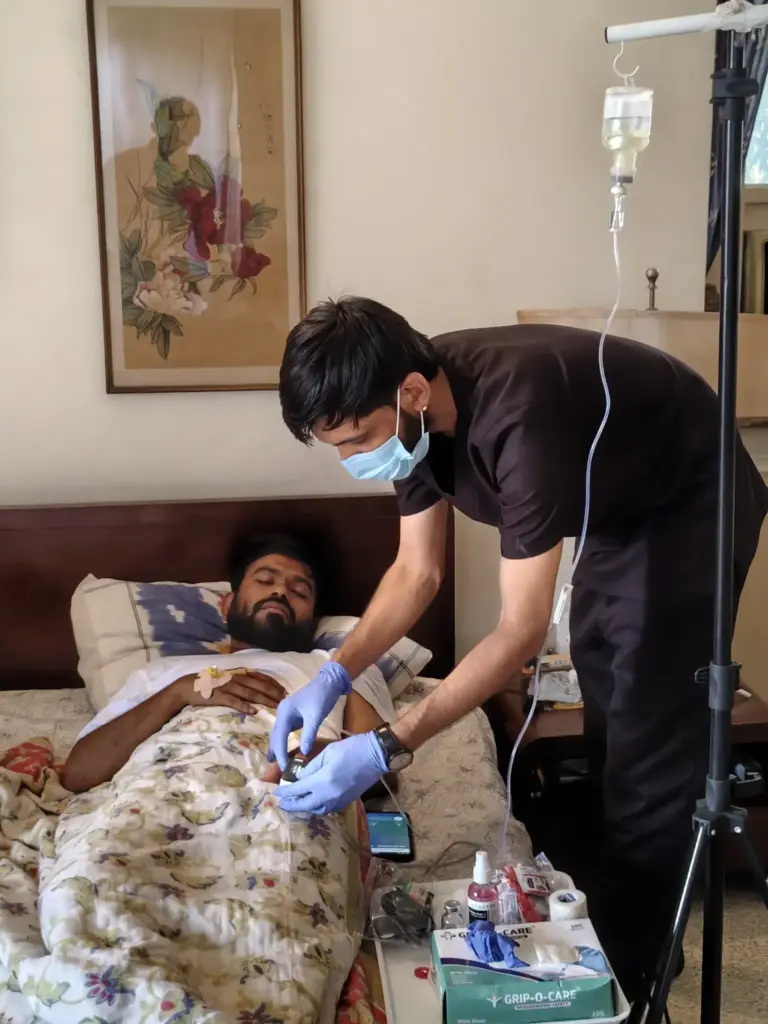
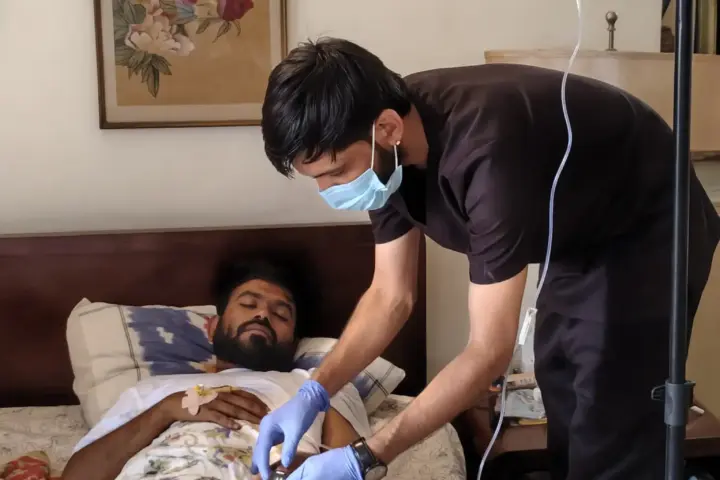
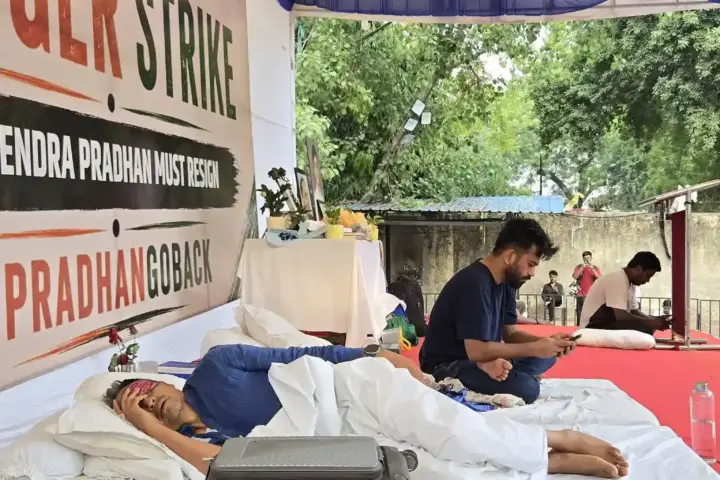
In July 2026, Dipke intensified the movement’s push for change. He began a hunger strike at Jantar Mantar, a prominent protest location in Delhi. His strike was part of a larger mobilization called the “Chalo Sansad March,” which aimed to bring youth grievances directly to Parliament. The march was met with police response, and supporters were caned by authorities as they tried to reach the capital.
The physical response from police did not diminish the movement. Instead, it highlighted the core message Dipke and the CJP have been emphasizing. Speaking to the broader frustration, Dipke stated: “In India, if you’re rich, the system dances at your fingertips. If you’re poor, nobody will be there for you.” This sentiment resonates with millions of young people facing unemployment, limited opportunities, and a sense that the government is unresponsive to their needs. CNBC analyzed the movement’s political implications for Modi’s leadership.
The scale of the movement’s reach is remarkable. The Cockroach Janta Party accumulated 22.5 million followers on Instagram, exceeding twice the following of India’s ruling Bharatiya Janata Party, which has approximately 11 million followers. When the CJP’s Instagram account was taken down, allegedly on government orders, Dipke blamed Prime Minister Modi’s government. This action paradoxically amplified the movement—media coverage of the takedown reached people who never followed the account, strengthening the narrative of government suppression.
The movement’s demands are specific and structural. Beyond workplace frustration and examination integrity, the CJP is pushing for electoral reform, accountability for government corruption, and systemic changes to address unemployment. Dipke’s message to youth emphasizes that they are not merely protesting but demanding structural changes in how India operates. The movement addresses multiple dimensions of youth concerns including gender representation, media ownership transparency, and examination system integrity. India’s Gen Z—estimated at over 400 million people born between 1997 and 2012—now has a political reference point.