Rahul Somvanshi
Two announcements arriving within weeks of each other have drawn a sharp line through Australia’s battery storage sector—one that marks the collapse of a residential pioneer, the other a major international player deepening its commitment to grid-scale firming infrastructure in the National Electricity Market.
Sonnen Australia, the German-founded residential battery brand that promised household energy independence, has entered voluntary administration. The timing was brutal: the collapse came less than three months after parent company Shell completed its divestment of the brand, cutting the company loose from the financial backing that had sustained its Australian operations. The German parent business has also filed for insolvency.
Sonnen Australia Administration: A Cautionary Chapter
Sonnen built its reputation on virtual power plant technology and premium home batteries, attracting a loyal base across Australia’s rooftop solar market. But the residential storage segment has faced compounding pressure—falling margins on hardware, intensifying competition from cheaper Asian manufacturers, and the high cost of maintaining local customer service infrastructure.
Shell’s decision to exit Sonnen was itself a signal. The oil major had been rationalising its clean energy portfolio, retreating from assets not delivering commercial returns at scale. Without that corporate parent, Sonnen Australia faced the market alone. Administrators Hugh Armenis and Jason Lloyd Porter of SV Partners Adelaide were appointed, with the first creditors meeting held on 30 October. The administration leaves customers with active systems uncertain about warranties and ongoing support, raising serious questions about the medium-term viability of premium residential battery brands in a commoditising market.
EDF’s Holloway Battery: A Different Bet
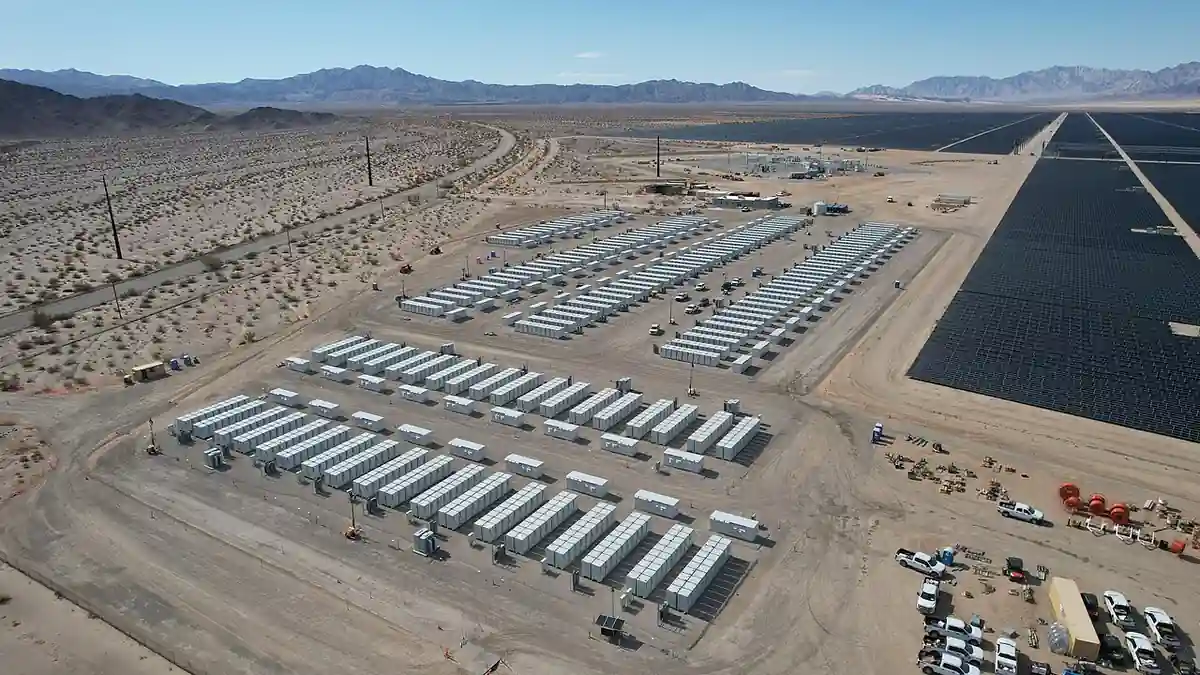
While Sonnen’s story was unwinding, EDF Renewables was moving in the opposite direction. The French energy giant secured the Holloway battery project—a 250MW facility with up to four hours of storage—in the New England Renewable Energy Zone in New South Wales, one of the largest storage assets to change hands in the state’s emerging REZ pipeline.
The Holloway battery positions EDF inside the infrastructure the Australian Energy Market Operator has identified as essential for the grid’s coal exit transition. New England REZ is earmarked for large volumes of wind and solar capacity, and storage at this scale is what transforms intermittent generation into dispatchable, schedulable power that network operators can actually rely on to firm the system.
For EDF, the move follows a broader pattern of strategic infrastructure commitment. The company has been expanding its renewable firming portfolio internationally, including major grid modernisation work in Europe backed by institutions including the European Investment Bank—part of EDF’s wider renewable grid modernisation efforts.
What the Contrast Reveals
The divergence is not incidental. Capital in Australia’s energy transition is consolidating rapidly around utility-scale assets—projects backed by capacity market contracts, long-term revenue certainty from grid services, and the network integration value that regulators are willing to pay for. Residential storage, by contrast, operates in a retail environment where hardware margins are thin, customer acquisition costs are high, and brand loyalty offers insufficient armour against cheaper competition.
Sonnen’s administration and EDF’s Holloway battery acquisition arriving in the same news cycle makes the structural shift legible: the battery sector’s growth story is increasingly being written at the grid level, not the rooftop.