Rahul Somvanshi
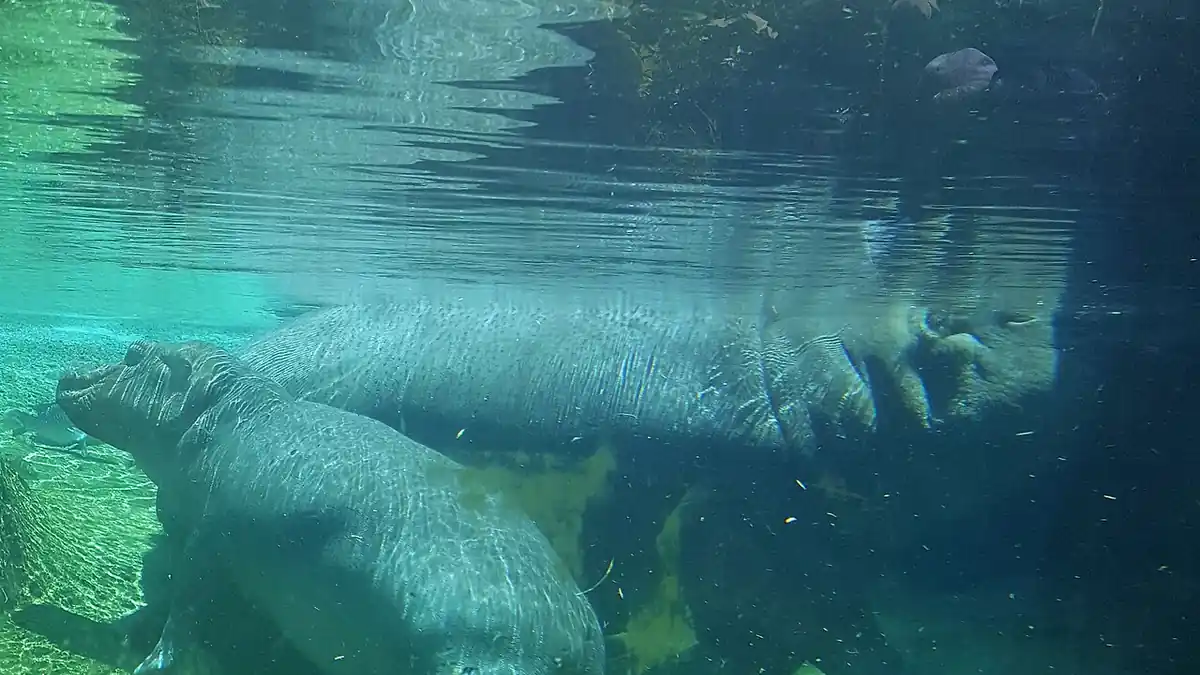
Fans of Fiona, the Cincinnati Zoo’s best-known Nile hippopotamus, are closely following her health after she swallowed a knit hat. The zoo says she is receiving continuous veterinary monitoring and supportive medical care. Here is what the zoo has confirmed so far.
The Cincinnati Zoo & Botanical Garden confirmed on November 16, 2026, that Fiona swallowed a knit hat that entered her Hippo Cove habitat. A visitor playfully tossed the hat into the air, where an overhead industrial ceiling fan caught it and deflected it through a one-foot clearance opening above the 12-foot viewing windows. Fiona swallowed the item after it landed in her pool. She was immediately taken off exhibit so animal care staff could manage her condition.
In updates on November 17 and 18, the zoo reported that Fiona experienced a decreased appetite, prompting veterinarians to administer fluids, pain medication and supportive treatments to encourage the object to pass. A specialized colonoscopy using a nine-foot endoscope was conducted but could not reach the hat. An ultrasound showed some bunching in her intestines, but zoo veterinary leaders explicitly ruled out invasive abdominal surgery, noting that major surgical procedures pose extreme life-threatening risks for a full-grown, 3,000-pound hippo.
If you are following Fiona’s recovery or planning a visit to Hippo Cove, check the zoo’s official communication channels for daily health bulletins. Fiona remains off exhibit in her indoor quarters while the medical team continues non-surgical supportive therapies. Zoo officials urge all visitors to secure hats, sunglasses, and personal items, keeping them well clear of exhibit ventilation gaps and viewing railings.
Visitor behavior around large animals has drawn scrutiny across zoological institutions. A viral baby hippo at another zoo prompted concern over visitor behavior and animal safety at high-profile zoological exhibits. Managing large semi-aquatic mammals requires specialized captive hippo veterinary care and habitat management protocols that protect animal welfare during medical emergencies.
How is Fiona the hippo doing after eating a hat? Fiona is receiving around-the-clock supportive veterinary care at the Cincinnati Zoo. Caregivers report that she is resting comfortably while receiving fluids and treatments to help the hat pass through her digestive tract. Surgery has been ruled out, and she remains off exhibit until veterinarians confirm she has cleared the object.
Zoo officials emphasized that the incident was an unforeseen accident resulting from an extraordinary combination of circumstances. Cincinnati Zoo Director of Communications Michelle Curley stated, “We probably couldn’t make it happen again if we tried. It was clearly an accident.”
Fiona remains under continuous medical supervision in her indoor care area. The zoo’s animal health team continues to manage her recovery through non-invasive therapies, with further public updates scheduled as her condition progresses.