Tejal Somvanshi
Dark under-eye circles, dull or pale skin and thinner-looking hair are being shared on TikTok as signs of low iron. The trend is called “ferritin face”. Dermatologist Nirupama Parwanda says a face examination is not a reliable way to judge ferritin levels. A routine full blood count can also look normal while your iron stores run low. That gap is the part worth understanding.
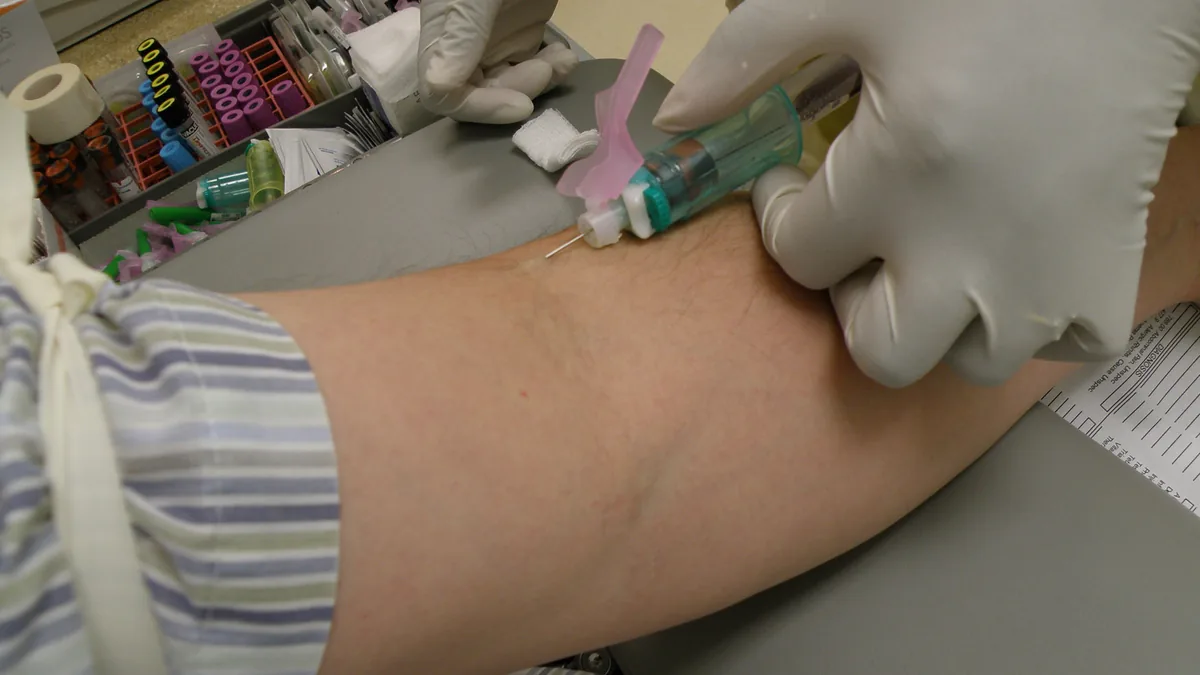
“Ferritin face” is a social media label, not an established medical term, according to MDLinx (see our original explainer and October update on the trend). Serum ferritin is a blood test that reflects the iron the body has stored. A routine full blood count measures haemoglobin, the protein in red blood cells that carries oxygen. Some NHS local pathways treat a ferritin level below 30 micrograms per litre (µg/L) as a sign of iron deficiency when inflammation is low. Cut-offs also vary between studies and laboratories. Ferritin can also rise during infection or inflammation, which can hide low stores.
If you have tiredness, hair loss or pale skin, do not rely on a mirror check or start iron tablets on your own. Ask your GP for a serum ferritin test, which reflects your iron stores, alongside your routine blood count. Iron tablets can cause stomach upset, and people with high iron levels, such as those with haemochromatosis, should avoid them.
The Numbers That Matter: 15 and 30 Micrograms Per Litre
Ferritin results are read against cut-offs, and the exact number matters. A 2024 Swiss study of 255,351 adults in primary care found that a 30 ng/mL cut-off, rather than 15, sharply raised recorded iron deficiency diagnoses. A 2021 Cochrane review found that ferritin below 30 µg/L is reasonably sensitive and very specific for iron deficiency in people presenting for medical care. The evidence is low-certainty.
Common causes include heavy periods, pregnancy and a diet low in iron, and coeliac disease can also reduce iron absorption. Bleeding in the gut and some cancers can also cause iron loss. If no cause is clear, a GP may arrange further tests, such as a stool test for hidden blood. Endurance athletes can also lose iron through gut bleeding. Foot strikes while running can break down red blood cells, though the evidence on that is mixed.
Our coverage of chronic fatigue in women lists practical options, but food changes should follow a test, not replace one, and our NHS guidance covers periods and fatigue.
A full blood count measures haemoglobin and other blood cells, not iron stores. Iron stores can run low before haemoglobin falls below the anaemia threshold. That means someone can feel exhausted, lose hair and still be told their haemoglobin is normal. Low ferritin is missed when only a full blood count is done.
Quick answers
Can ferritin levels be low even when haemoglobin is normal?
Yes. Ferritin is a protein that stores iron inside cells throughout the body. Haemoglobin is the protein in red blood cells that carries oxygen. When stores run low, the body draws on them to keep haemoglobin steady for a while. You can feel tired and lose hair before anaemia shows up on a full blood count.
The “ferritin face” trend points to a real gap in routine blood testing. A mirror cannot diagnose low iron, and a normal haemoglobin result does not rule it out. If tiredness, hair loss or pale skin continue, ask your GP for a serum ferritin test alongside your usual blood count.
What ferritin level counts as iron deficiency in the UK?
Some NHS local pathways treat a ferritin level below 30 micrograms per litre as a sign of iron deficiency when inflammation is low. Cut-offs also vary between studies and laboratories. Your GP will read the result alongside your symptoms and other tests, because infection and inflammation can change the number.
What are the physical signs of low ferritin?
Common signs include tiredness, shortness of breath, pale skin and headaches. Hair loss is a less common sign. Dermatologist Nirupama Parwanda has said that looking at the face is not a reliable way to estimate ferritin. A blood test is needed to check.
Should I take iron tablets if I think my ferritin is low?
Not without a blood test first. Iron tablets can cause stomach upset, and people with high iron levels should avoid them. Ask your GP for a serum ferritin test, and ask about a possible cause if the result is low.