 Tejal Somvanshi
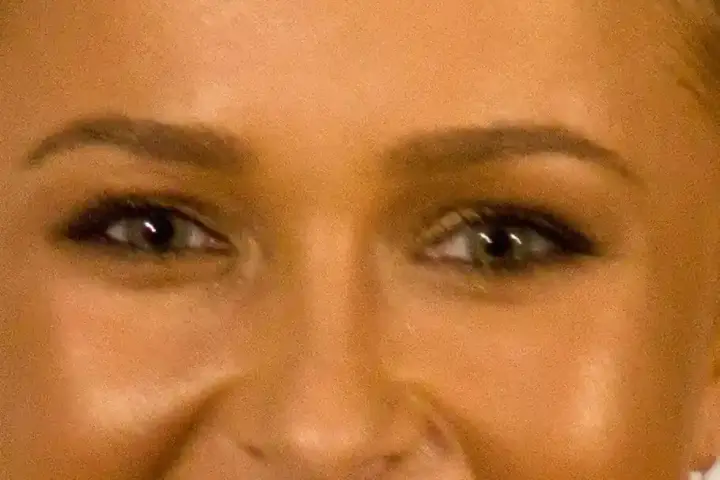
A term called “ferritin face” is spreading across social media, with people linking changes in their facial appearance to low ferritin or iron deficiency. The claim is that you can identify low iron by looking in the mirror. That is not what medical evidence supports.
NHS guidance confirms that iron-deficiency anaemia can make skin look paler than usual. It does not say facial appearance is a diagnostic tool for iron levels. Those are two different things — and the gap between them is where this trend is causing confusion.
Ferritin is the protein your body uses to store iron. When ferritin levels are low, your iron stores are depleted, and this can eventually lead to iron-deficiency anaemia — a condition where you do not have enough red blood cells to carry oxygen around the body. Iron-deficiency anaemia has recognised symptoms: unusual tiredness, shortness of breath, heart palpitations, headaches, and skin that looks paler than usual.
What “ferritin face” content typically shows are before-and-after images of people who say their complexion changed after treating iron deficiency, or facial features claimed to look different at low versus normal ferritin levels. The implication is that someone can assess their own iron status by comparing their face to a reference image or a trending checklist.
Pale or dull skin has many causes: tiredness, cold temperatures, hydration levels, lighting conditions, skin tone variation across individuals, and a range of medical conditions unrelated to iron. A facial check cannot differentiate between those causes. NHS guidance lists pale skin as one possible symptom of iron-deficiency anaemia within a cluster of symptoms — not as a standalone identifier.
Why you cannot diagnose low iron from your face
Blood tests are used to assess iron deficiency and iron-deficiency anaemia. A full blood count and ferritin test can help determine whether iron stores are low and whether anaemia is present. A GP can request those tests. No amount of mirror-checking or social media comparison replaces that process.
Paleness associated with anaemia has a physiological basis, but appearance alone is not specific enough to identify the cause. Someone with iron-deficiency anaemia may appear pale, but so may someone who is simply tired, cold, or fair-skinned by nature.
Low iron stores can occur without anaemia, and symptoms may be absent or less specific. Some people have depleted iron stores without reaching an anaemic state. At that stage, symptoms — if present — tend to be subtle: persistent tiredness or hair changes that are easily attributed to other causes.
The “ferritin face” framing encourages self-diagnosis based on appearance alone, which can lead in two directions. Some people who need testing may seek a GP appointment — that is a positive outcome. Others may take iron supplements without a confirmed diagnosis. Unnecessary or excessive iron supplementation can cause harm and should not be taken without a confirmed diagnosis.
For related health information, see NHS iron deficiency anaemia guide and Social media health trends — how to check what’s real.
If you are concerned about iron deficiency, the right step is a GP appointment and a blood test, not a visual comparison with social media images.
—
FAQ
What is ferritin face?
“Ferritin face” is a social media term suggesting you can identify low iron or low ferritin from changes in facial appearance. It is not a recognised medical diagnosis. NHS guidance confirms that iron-deficiency anaemia can cause skin to look paler than usual, but pale skin has many causes and cannot by itself indicate low iron. A blood test is the appropriate way to assess iron status.
Can your face show that you have low iron?
Iron-deficiency anaemia can cause skin to appear paler than usual, according to NHS guidance. But facial appearance alone cannot diagnose low iron or low ferritin. Many things cause pale or dull skin that have nothing to do with iron levels. Blood testing is required to properly assess iron status — a full blood count and ferritin test can help determine whether iron stores are low, and a GP can arrange these.
How is iron deficiency diagnosed?
Iron deficiency is assessed through blood tests, typically including a ferritin test and a full blood count. A GP can arrange these. Symptoms to mention to a GP include unusual tiredness that does not improve with rest, shortness of breath from mild activity, heart palpitations, and persistently paler skin than is normal for you. Do not take iron supplements without a confirmed diagnosis, as unnecessary or excessive supplementation can cause harm.