 Tejal Somvanshi
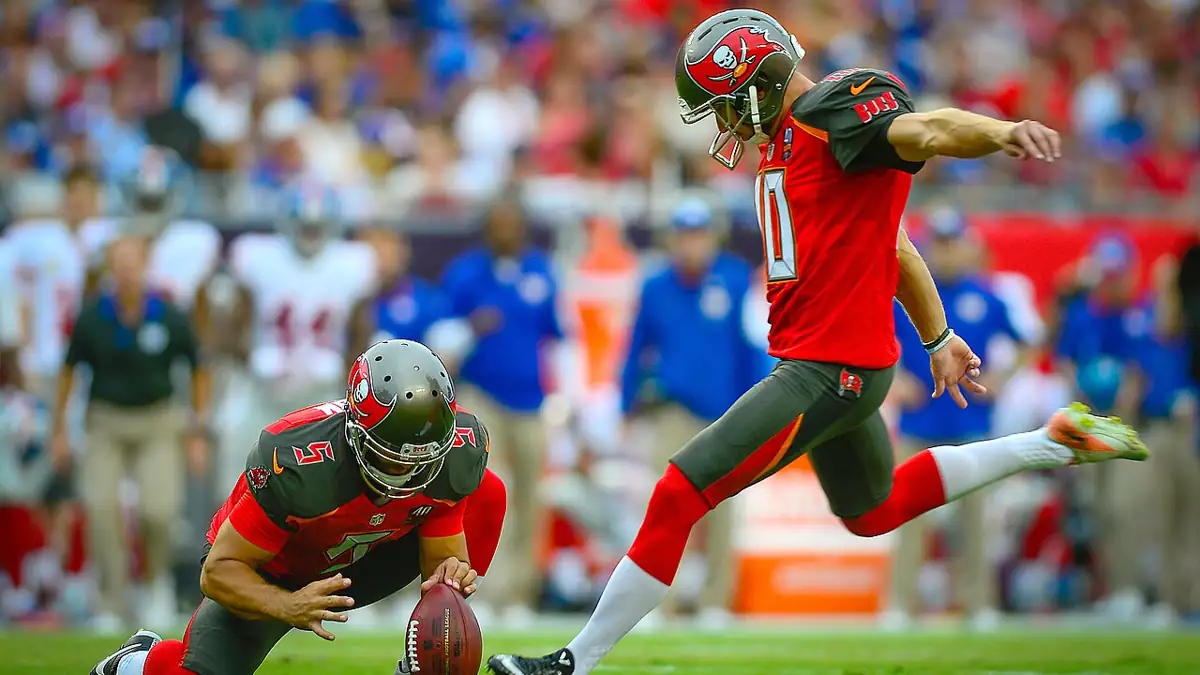
If a former football player in your family has had memory, mood or sleep changes, you may wonder what is behind them. A new study of former NFL players found CTE in most of the brains donated for research. CTE can only be confirmed after death, so the study cannot diagnose living players.
The study, published in The BMJ on August 25, 2026, looked at 1,712 former NFL players who died between 2008 and 2021. Of those, 338 donated their brains for neuropathological examination, a laboratory check of brain tissue. In that group, 315 brains, or 93.2%, showed confirmed CTE, a brain disease linked to repeated head impacts. Across all 1,712 players, the study's estimate of CTE at death ranged from 18.5% to 98.7%. The researchers call 18.5% a conservative minimum. For players who died from 2016 through 2021, the range was 24.5% to 97.7%. Most of the donated brains, 333 of 338, came from a Boston University brain bank. One came from Mount Sinai and four from UCSF.
If you are a former player with memory, mood or sleep changes, talk with a doctor. Doctors look for other possible causes of those symptoms first. The study does not measure your personal risk, and it cannot tell you whether you will develop CTE. For parents of young players, this study covers former professional players who have died, so it does not answer questions about youth sports.
What the Study Found About Dementia
The study also looked at dementia. Clinicians diagnosed dementia in 59.8% of all brain donors and 61.3% of donors with CTE. Players with stage IV CTE had a higher risk of clinician-diagnosed dementia, with a risk ratio of 1.44. Because the study is observational, it cannot prove that CTE caused the dementia.
The range is the real limit. The study's estimates run from about one in five to nearly all players who died, so no single number is precise. This is our reading of the study's range, not a conclusion from the researchers.
Why does the CTE estimate range so widely?
The range depends on how many players' brains were examined. Only 338 of the 1,712 players, or 19.7%, donated brains for examination. The authors say the higher lower limit for 2016 through 2021 largely reflects a greater share of brain examinations in those years.
The BMJ study found CTE in 315 of 338 donated brains from former NFL players who died from 2008 through 2021. Its estimates for all players who died are wide. The findings describe players who have died, not living players. Talk with a doctor about any symptoms you notice.
Related Karmactive coverage: this report and this earlier coverage. The relevant primary update is available from the official source.