 Karmactive Staff
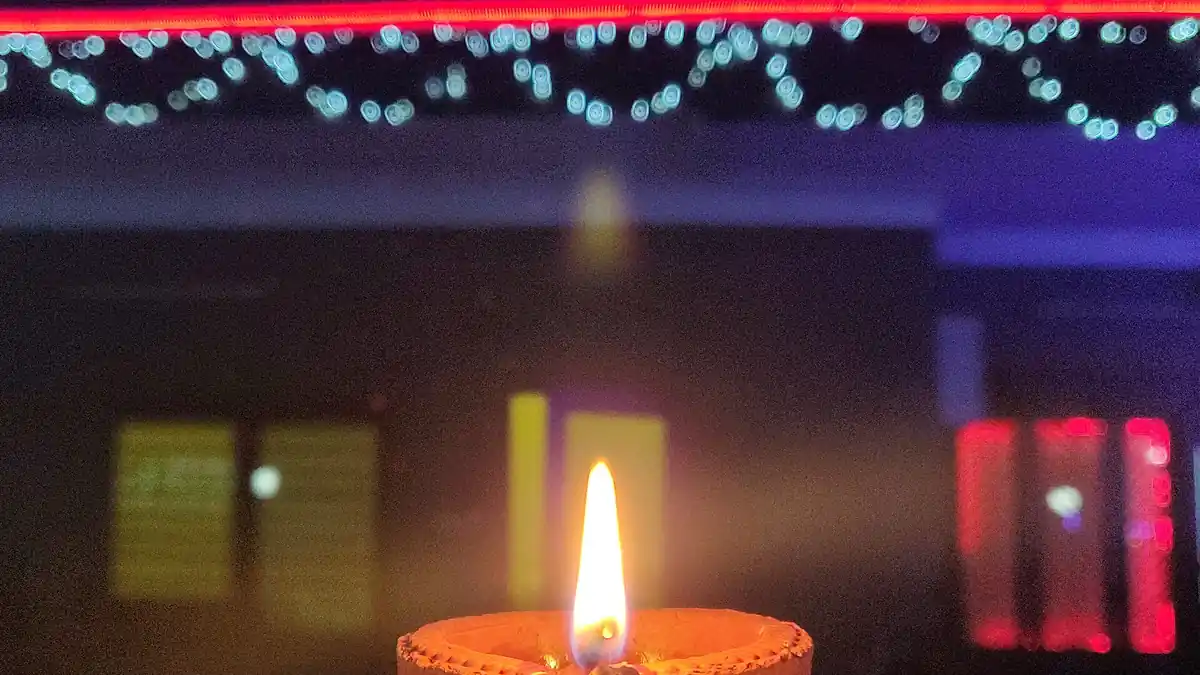
Diwali, the festival of lights, celebrates the victory of good over evil across India and the diaspora. Traditional observances center on rituals that connect devotees to ancient practices and environmental stewardship. A ritual oil bath at dawn on each day of the festival purifies the body and spirit, grounding the celebration in wellness practices that predate modern industrialization. Yet modern Diwali has increasingly incorporated fireworks, transforming the festival’s sensory landscape in ways that conflict with both personal health and environmental protection.
Firecrackers release particulate matter, sulfur dioxide, and nitrogen oxide into the atmosphere, creating air quality crises in cities like Delhi during festival season. These emissions trigger respiratory complications for children, elderly people, and those with asthma or chronic lung conditions. Air quality indices spike dramatically during Diwali week, with some measurements exceeding hazardous thresholds. Beyond respiratory impact, firecracker residues contaminate soil and water systems, introducing heavy metals and chemical compounds that persist in ecosystems for years. The noise pollution from sustained fireworks also disrupts sleep, stresses wildlife, and affects noise-sensitive individuals across urban areas.
Firecracker-free Diwali celebrations are increasingly common, driven by growing awareness of these health and environmental costs. Families now organize rangoli competitions, decorative light displays, and community gatherings that maintain festive atmosphere without explosives. Traditional sweets and gifts remain central to celebrations, creating economic opportunity for confectioners and artisans. Some cities have designated “green Diwali” zones where residents commit to avoiding firecrackers, establishing community-wide norms that reduce air pollution and encourage collective responsibility.
Replacing firecrackers with alternatives honors Diwali’s spiritual essence while protecting public health. LED lights consume minimal electricity and produce brilliant illumination without toxic emissions. Diyas, the traditional clay lamps, continue the festival’s ancestral practice and support small-scale pottery makers. eco-friendly decorations using natural materials—flowers, leaves, recycled paper—create beauty without waste. Community events centered on music, dance, food, and storytelling extend celebrations across days, deepening social connection while eliminating the compressed pollution burst that fireworks create.
These shifts reflect neither sacrifice nor diminishment of Diwali’s significance. Instead, they deepen the festival’s original message: choosing light and prosperity in ways that benefit collective wellbeing. Families that transition to firecracker-free celebrations report stronger social bonds, more meaningful observance, and reduced anxiety during the festival period. Children grow up understanding Diwali as a celebration that strengthens community and environment together, embedding ecological responsibility into festive practice.
Priority PAA: What are healthy alternatives to firecrackers for Diwali? How do firecracker emissions affect air quality? What are the spiritual roots of Diwali ritual bathing? Where can families find eco-friendly Diwali decorations?
—