Sunita Somvanshi
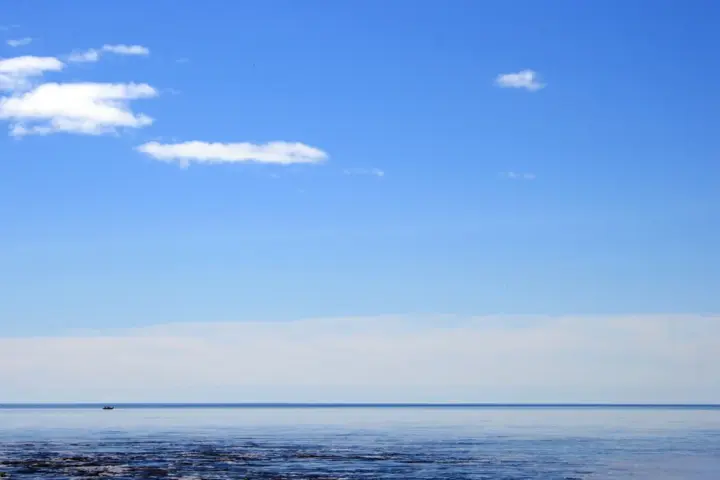
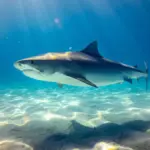
A kayak angler fishing off Half Moon Bay, California, had a great white shark longer than his boat surface alongside him on Sunday, October 25—and continued fishing in the area for hours afterward in an encounter that almost every marine biologist would call a textbook non-incident. A paddleboarder had warned fisherman David Slavich earlier that there was a shark in the water. He had stayed out anyway.
When the shark appeared beside his kayak, panic set in—the animal was “bigger than my kayak,” Slavich told NBC Bay Area. He pulled his bait and fishing rig out of the water. The shark swam alongside without contact and moved on. Slavich then continued fishing in the area for several more hours.
For Bay Area kayakers, paddleboarders, and surfers heading out during late October, Slavich’s encounter is a reminder that roughly 300 great white sharks patrol Central California’s coast during the autumn seal migration. Kayak anglers can sharply reduce strike risk by fishing in pairs, heeding beach and paddleboarder sightings immediately, and pulling baited lines out of the water the moment a dorsal fin appears.
The action Slavich took—removing the fishing rig from the water—is the one response marine biologists most consistently cite in preventing investigatory strikes. A 2021 Central California population study estimates approximately 300 adult and sub-adult great white sharks inhabit the waters between Point Reyes and Año Nuevo, including the coast off San Mateo County and Half Moon Bay. Late October falls within the autumn concentration window, when sharks follow northern elephant seal and harbor seal movements along the Central Coast.
California’s historical shark incident record since 1950 covers 235 documented encounters. Ninety-seven ended with zero injuries. A further 121 resulted in nonlethal injuries. Seventeen were fatal. More than 41% of those 235 encounters ended the same way Slavich’s did—with no contact at all. For more on shark activity along the Bay Area coast this season, see California coastal wildlife and water safety coverage.
How many great white sharks live off Central California?
A 2021 marine population study estimates that roughly 300 great white sharks inhabit California’s Central Coast, including the waters off Half Moon Bay and San Mateo County. Since 1950, California has recorded 235 total shark incidents, including 97 encounters with zero injuries.
A report is expected from California Department of Fish and Wildlife on current October shark activity in the Half Moon Bay zone. Paddleboarders and kayak anglers in San Mateo and Santa Cruz counties should monitor the Shark Research Committee’s coastal alert system through the end of the seal pupping season.