 Govind Tekale
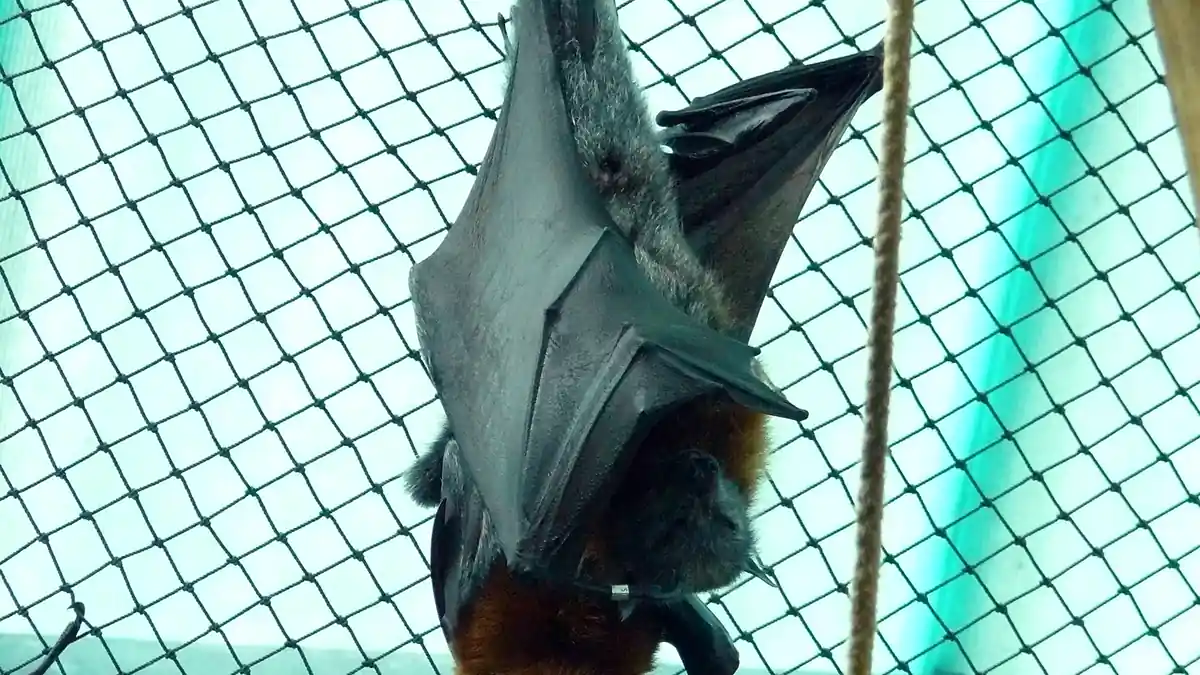
Flying-foxes are dying in large numbers across NSW and into Victoria, and starving bats are turning up in suburban backyards during daylight hours. A flying-fox alone, grounded, or active during the day may need help—do not touch it, and contact a licensed wildlife rescue organisation immediately.
Grey-headed flying-foxes are under severe food stress from the Clarence Valley in northern NSW south through to Victoria. The food shortage spans the entire NSW east coast, confirmed by Ingrid Emery, Executive Director Conservation Programs at NSW’s Department of Climate Change, Energy, the Environment and Water. Shoalhaven Bat Clinic coordinator Trista Thorpe reported responding to more than 500 dead or distressed bats since late September 2026, with at least 300 confirmed dead. Volunteer rescue groups including WIRES, Hills Wildlife Sanctuary, and Hunter Wildlife Rescue are overwhelmed. Between September 28 and October 10, 2026, NSW Health recorded 43 people assessed after being bitten or scratched by bats—up from just 10 cases in the same two-week period in 2025, a 330% increase. Australian bat lyssavirus (ABLV) is fatal once symptoms appear, and there is no effective treatment after onset.
Do not touch, pick up, or hand-feed a bat. A flying-fox alone, grounded, or active during the day may be food-stressed, injured, or unwell. Keep dogs and cats indoors at night, and call WIRES on 1300 094 737 immediately if a bat is grounded. If a person is scratched or bitten by a bat, wash the area thoroughly with soap and water, apply an antiviral antiseptic, and seek urgent medical assessment immediately—do not wait for symptoms. A bat that bites or scratches a person may need to be assessed and tested for ABLV; contact NSW Health and wildlife authorities for guidance on next steps.
Why Dry Winter Weather Triggered an Ecological Bottleneck
Dr. Brett Summerell, Chief Scientist at the Sydney Botanic Gardens, linked the crisis to this winter’s rainfall deficit. Bureau of Meteorology records show coastal NSW received well below-average winter and early spring rainfall, preventing native eucalypts, paperbarks, and figs from producing the nectar and blossom that flying-foxes rely on. Because female bats cannot produce milk without adequate food intake, females are aborting pups or giving birth prematurely. Grey-headed flying-foxes produce just one pup per year; losing a breeding cohort creates a significant setback for the species, which plays a key role in eucalypt forest pollination. According to Hills Wildlife Sanctuary CEO Ben Dessen, each adult flying-fox needs around 500g of blossom, nectar, and fruit every night, and his sanctuary was processing large quantities of supplementary fruit each week with no state or federal emergency funding.
According to Hunter Wildlife Rescue, some flying-foxes are staying in backyard food trees during daylight hours to conserve energy—remaining near a food source rather than burning calories flying back to their camp. Hunter Wildlife Rescue also warns that unripe green mulberries can cause toxic illness in starving bats. This connects directly to El Niño-driven rainfall shifts on Australia’s east coast and the broader risk to keystone Australian pollinators that Karmactive has been tracking through 2025 and 2026.
The 43 people assessed by NSW Health after bat contact in just two weeks illustrates how the starvation event is pushing bats and people into closer proximity than normal. Well-meaning residents who attempt to pick up or hand-feed a bat risk a scratch or bite—and any bat that bites or scratches a person may need to be assessed for ABLV testing. NSW’s biosecurity and public health protocols require that such incidents be reported promptly to wildlife authorities and NSW Health.
Frequently Asked Questions
Why are flying-foxes staying in backyard trees during the day in NSW?
According to Hunter Wildlife Rescue and NSW DCCEEW, some flying-foxes are staying near backyard food trees during daylight to conserve energy, remaining close to available food rather than flying back to their camps. Coastal eucalypt blossom production has failed after a below-average winter, leaving bats with less food in the landscape.
What should I do if my dog or cat encounters a flying-fox?
Contact your vet and NSW Health immediately if your pet makes direct contact with a bat. Any person who is scratched or bitten during separation should wash the area thoroughly with soap and water, apply betadine or another antiviral antiseptic, and seek urgent medical assessment. Do not wait for symptoms.
Can you get Australian bat lyssavirus from bat droppings or bats flying overhead?
NSW Health states that ABLV is transmitted through a scratch, bite, or contact of saliva or neural tissue with broken skin or mucous membranes. Flying overhead or contact with droppings on intact skin does not present a known risk.
To report an injured or grounded bat in NSW: WIRES 1300 094 737, Hunter Wildlife Rescue 0418 628 483, Shoalhaven Bat Clinic 0418 427 214. Do not use fruit-tree netting that bats can become entangled in, and remove fallen unripe green mulberries from beneath backyard mulberry trees. Wildlife rescue groups remain self-funded and are accepting donations throughout the spring starvation event.