 Tejal Somvanshi
Australians aged 65 and older holding private hospital insurance are set to lose their age-based rebate tier under proposed federal government reforms, with the change targeted for 1 April 2027. The proposal shifts the rebate framework from age categories to income categories only — a structural change that affects approximately 3.2 million Australians over 65, with ABC reporting that departmental analysis released under FOI projected about 78,000 policyholders could cancel by 2029–30. The government’s own figures cited 44,000 for 2028–29.
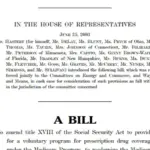
The government’s Parliamentary Budget Office costing confirms the intended start date is 1 April 2027 and projects $2.9947 billion in savings over four years. These are proposed changes — a bill is before Parliament but has not yet passed.
What the Current Rebate Looks Like and What Would Change
Right now, Australians with private hospital cover receive a government rebate that increases with age and decreases with income. The current base-tier rebate rates (effective 1 April 2026) are:
- Under 65: 24.118%
- Ages 65–69: 28.139%
- Ages 70 and over: 32.158%
Under the proposed reform, the higher age-based tiers disappear. Everyone would receive only an income-based rebate, matching the rate for under-65s at the same income level. For a 70-year-old on a base income tier, the difference is roughly 8 percentage points — a meaningful increase in the net premium they actually pay. Analysis from the Parliamentary Bills Digest suggests an average premium rise of around $250 per year for affected policyholders.
The Australian Prudential Regulation Authority’s most recent quarterly data shows 12.824 million Australians held hospital cover as of 30 June 2026 — 45.8 percent of the population. The policy debate centres on how many of that cohort’s older members will leave the private system once the cost calculation changes.
The Tax Trap in Cancelling Hospital Cover
The impact modelling and most media coverage have focused on premium costs. Less well explained is what happens to the Medicare Levy Surcharge if a retiree cancels hospital cover.
The Medicare Levy Surcharge applies to income for MLS purposes, and for the 2026–27 year a single person must earn above $105,000 before it applies. The surcharge is tiered: 1% from $105,000, 1.25% from $123,000, and 1.5% from $164,000. For example, a single retiree with $125,000 in income for MLS purposes would pay approximately $1,563 annually if they held no private hospital cover — a bill that may partially offset any premium saving from cancelling.
The second financial risk is Lifetime Health Cover loading. Under LHC rules, Australians who did not take out hospital cover before their 31st birthday accumulate a 2% loading on their future premiums for every year they spent without hospital cover. The loading is capped at 70% and generally falls away after 10 continuous years of continuous cover. Older Australians who cancel now and later want to return to the private system should check their individual LHC history at privatehealth.gov.au to understand what loading, if any, would apply to them.
The practical sequence for anyone considering cancelling: ask your private health insurer for a written premium estimate under the proposed post-2027 rates, then cross-reference your actual income against the Medicare Levy Surcharge threshold before making any change. The Australian healthcare cost equation is different for every household.
The Department of Health fact sheet for this reform is published at health.gov.au. The change has not yet passed the Senate as of this article’s publication.
The Elective Surgery Question
Private hospital cover determines how quickly Australians access elective procedures. Orthopedic surgery, cataract removal, and cardiac procedures have significantly shorter wait times in private hospitals than in the public system. If a significant number of over-65s exit private hospital cover, state public hospital systems — already operating under sustained pressure — would face additional demand for elective procedures.
For retirees who hold Silver or Gold hospital cover and rely on it specifically for elective joint or eye surgery, the decision to cancel is not just a cost calculation. It is also a question of how long they are willing to wait.
When do the proposed private-health rebate changes start?
A bill before Parliament proposes the changes take effect on 1 April 2027. They have not yet passed. Before altering cover, ask the insurer for an individual premium estimate and consider the Lifetime Health Cover loading consequences of any gap in hospital cover.
Parliament’s crossbench vote and any amendments to the proposal will determine the final shape of these changes. Check back as the Senate process moves forward.