Rahul Somvanshi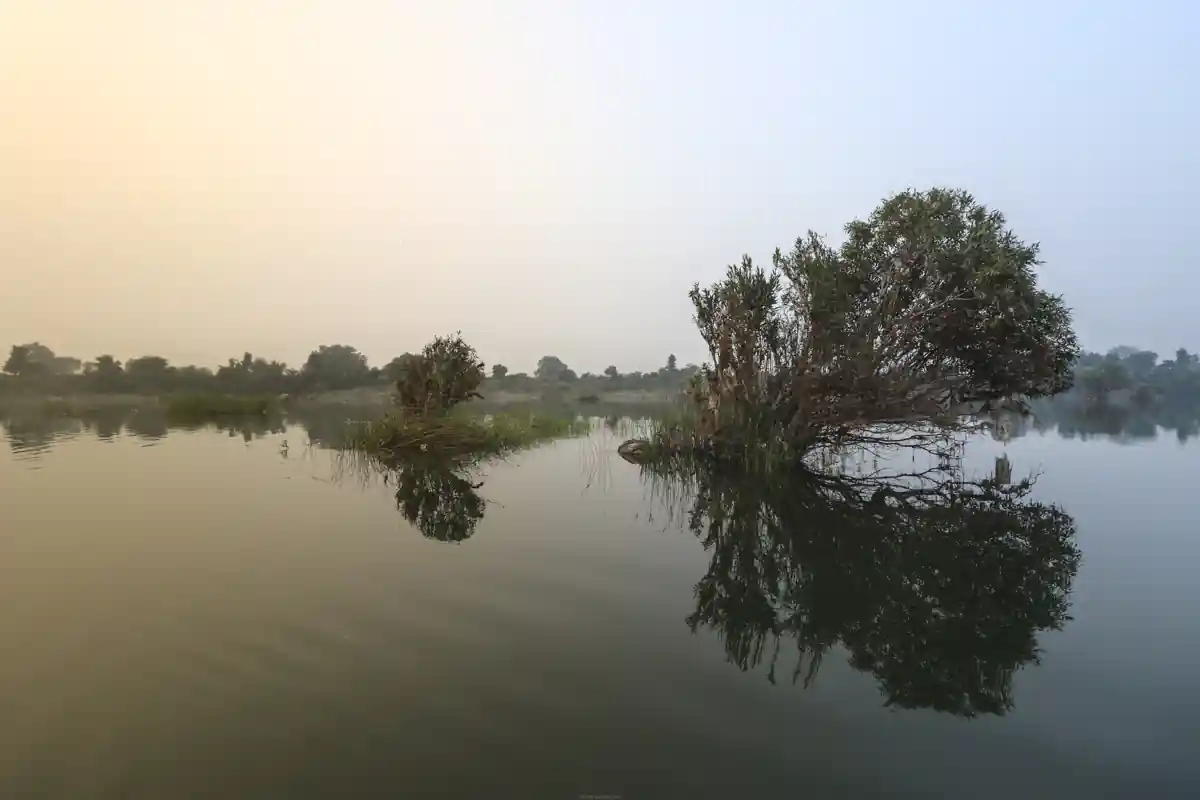
Residents near the Ken–Betwa river-linking project in Madhya Pradesh have reported homes and temples being inundated as water rises around the Daudhan Dam site. The reports have prompted protests over displacement, compensation and the timing of rehabilitation for families in the project area.
The flooding allegations should be understood alongside the project’s long-running design. The Ken–Betwa Link Project is a central government programme intended to transfer water from the Ken basin to the Betwa basin. Its first phase includes the Daudhan Dam and a canal system. The National Water Development Agency says the project is intended to support irrigation and water supply in parts of Madhya Pradesh and Uttar Pradesh.
For families living in the affected area, the immediate question is not the project’s regional promise but whether relocation, compensation and public services are in place before water reaches homes, fields and places of worship. Those are the issues raised by local residents in recent protests.
Why the Daudhan Dam has become a flashpoint
Large dams can create a reservoir behind the structure. That can require land acquisition and the relocation of households in the reservoir and associated works area. In the Ken–Betwa project, the debate has also included the potential effects on forests and wildlife habitat near Panna Tiger Reserve, an issue also seen in disputes over tree felling and development approvals elsewhere in India.
Supporters of the link project point to its planned irrigation, drinking-water and power benefits for drought-prone Bundelkhand. Critics and affected residents have focused on whether those broader benefits are being matched by transparent safeguards for people who must move, lose land or face disruption before rehabilitation is completed.
The government’s project documents and statutory clearances remain the key records for the final submergence area, the villages covered, compensation conditions and environmental safeguards. On-the-ground reports of inundation do not by themselves establish whether every affected family has received the assistance required under the project’s rehabilitation arrangements.
What is the Ken–Betwa river-linking project? It is a planned water-transfer project linking the Ken and Betwa river basins. The first phase includes the Daudhan Dam. Authorities say it is designed to improve irrigation and water supply in Bundelkhand, while residents and environmental groups have raised concerns about displacement and ecological impacts.
The latest protests show why implementation will be judged as closely as engineering. The project’s public benefits will be measured against the treatment of people in the affected area: timely information, lawful compensation, workable resettlement and a clear response when homes or community sites are at risk from rising water.