 Rahul Somvanshi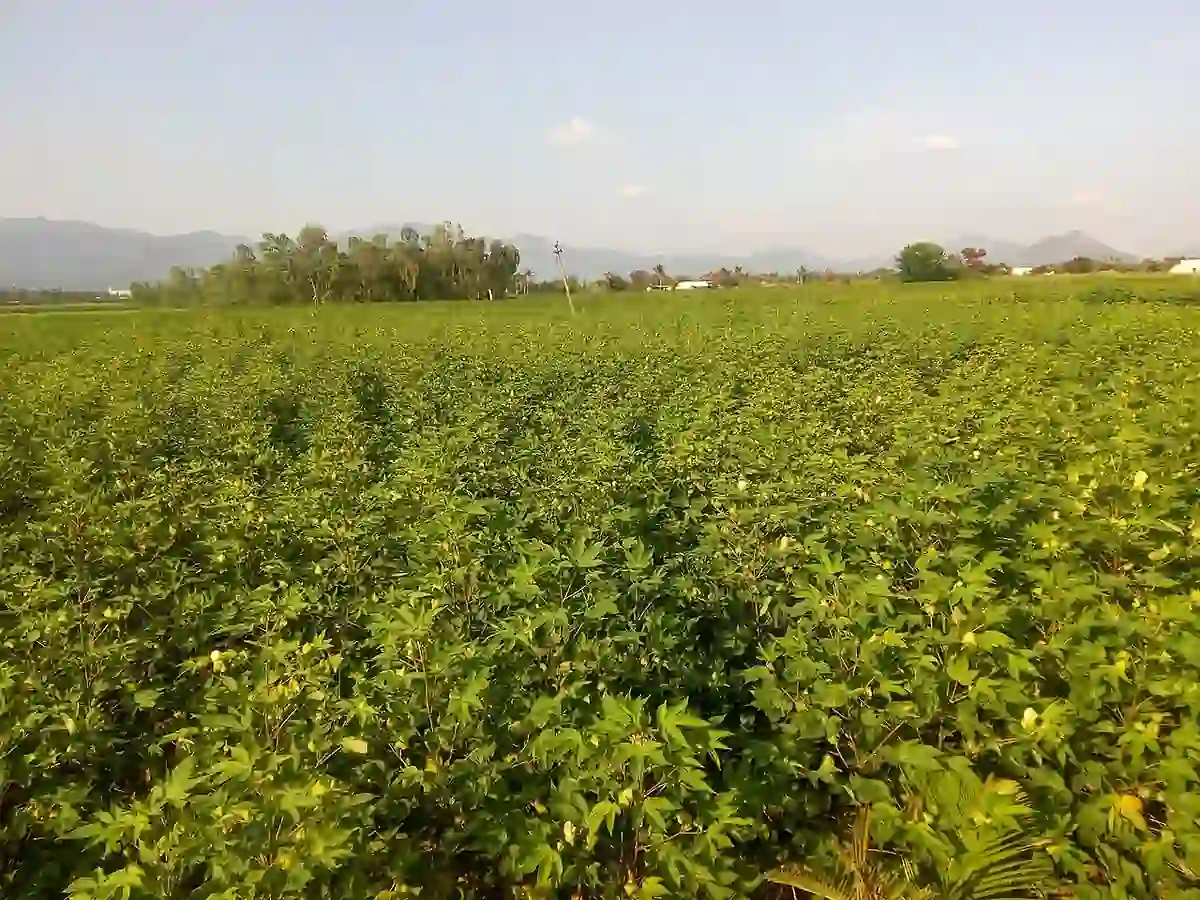
In November 1998, farmers in Karnataka did not wait for a government hearing or a legal ruling. They found field trials of genetically modified Bt cotton, pulled the plants from the ground, and set them on fire. What followed — a legal fight over corporate seed patents that continues to shape Indian agriculture — began in those burning fields.
Operation Cremate Monsanto was launched by the Karnataka Rajya Raitha Sangha (KRRS) under Prof. M.D. Nanjundaswamy. The campaign targeted Bt cotton field trials that India’s Department of Biotechnology had approved. State governments and host farmers had largely not been informed of the specific trial locations, and activists argued the approvals lacked adequate public notification. A minister named the trial locations publicly. Within days, activists destroyed the trial plots. Despite the protests, India approved commercial Bt cotton cultivation years later. Genetically modified cotton now accounts for over 90 percent of India’s cotton cultivation area. The central government subsequently issued price control orders setting maximum sale prices for Bt cotton seed under the Essential Commodities Act, including caps on technology licensing fees. Challenges to those controls by seed companies in both the Karnataka and Delhi High Courts upheld the government’s right to fix maximum prices.
For agricultural producers worldwide, India’s experience shows that winning price caps on patented seed technology does not restore biological independence. Once multinational seed consolidations replace indigenous seed-saving networks with proprietary hybrids, growers lose the genetic diversity needed to adapt to changing climatic conditions. To avoid permanent reliance on corporate agrochemical inputs, agricultural communities are actively re-establishing localized seed banks to protect traditional heritage varieties before they face irreversible extinction.
What the Legal Victory Did Not Restore
Zephyr Zoidis (@zephzoid), a US sustainable food systems educator and regenerative agriculture advocate who documents seed sovereignty issues, described both the immediacy of the farmer response and the deeper historical break it represented: “Some people think the fight is already over, but the rest are mounting the resistance. In India, farmers didn’t wait for a hearing. They found Monsanto’s secret GMO cotton fields and burned them to the ground immediately. This was after the government initially kept them a secret. A minister named them, and it only took days for every single plant to be pulled up and set on fire.”
On the historical context behind the intensity of that response: “Seed had never been property before. For all of history, farmers saved seed from this year’s harvest to plant next year and swapped it with neighbors to breed their own local varieties. But the 90s changed this with companies like Monsanto, who first bought into Mahyco, India’s biggest seed company, while buying up many other seed firms worldwide.”
Zoidis noted that activists including Vandana Shiva “saw genetically modified crops as a technology that increases dependence on purchased inputs, narrows genetic diversity and shifts power from villages to corporations.” On the legal outcome: “Even after the farmers burned the fields in protest, genetically modified cotton was approved just years later and now covers over 90% of the production. The silver lining was the state government sued Monsanto over charging a fee alongside this and won. This gave them cheaper seeds and stronger rights on paper, but they still lose control in the end because there’s no way to get back the lost diversity.”
That loss is the core lesson extending beyond India. Capping the price of a patented input does not restore the open-pollinated alternatives that disappeared from commercial supply chains when proprietary hybrids took over. Indian farmers hold price regulation on Bt cotton seed but remain heavily dependent on annual hybrid purchases — the biological alternative has been largely phased out of commercial availability, not regulated back into existence. For anyone following global seed sovereignty movements and India’s agricultural biodiversity policy, the Karnataka case is why activists now treat decentralized seed banking as more strategically durable than litigation alone.
Operation Cremate Monsanto remains a reference point in agricultural resistance movements worldwide. India’s seed sovereignty debate continues, with community seed banks operating across multiple states. Check back as new developments in India’s GMO crop approval process and seed patent legislation emerge.