Rahul Somvanshi
Thai Mangur Ban in India: Why African Catfish Farming Is Banned and How Escapes Threaten Native Fish
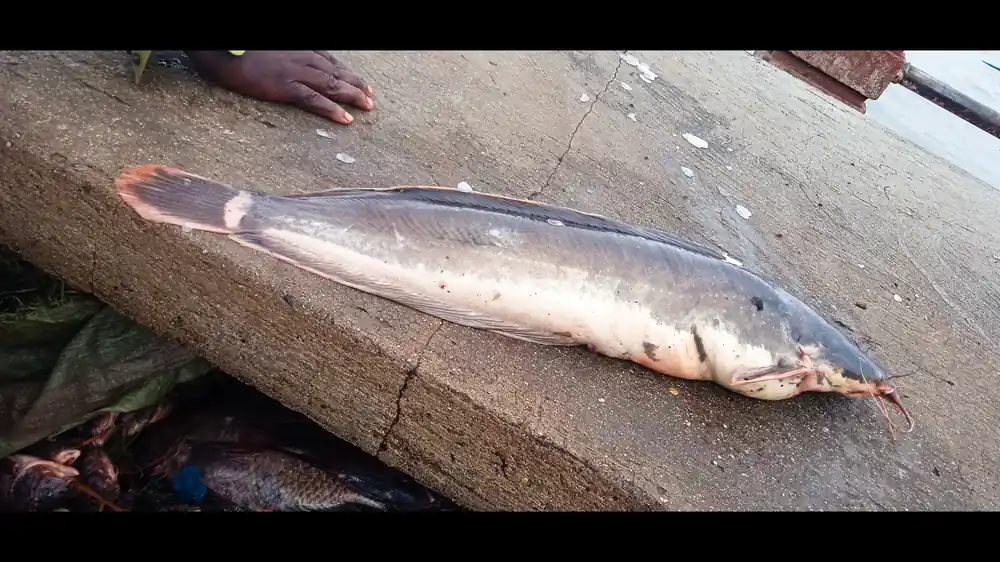
If a fish seller offers you “magur,” the name alone tells you little about which catfish is on the counter. The Thai mangur ban prohibits breeding and farming the invasive African sharptooth catfish, Clarias gariepinus, and its hybrids in all states and union territories. India’s native desi magur, Clarias magur, can still be farmed under applicable fisheries rules. The National Green Tribunal (NGT) requires catfish breeders to obtain their seed from the state fisheries department or an agency it has authorized. Both fish can breathe air, so that trait cannot distinguish them.
On 19 December 1997, the Ministry of Agriculture wrote to states and union territories following a national committee’s recommendation to destroy stocks of African catfish and bighead carp introduced without approval. The ministry issued a further order on exotic catfish on 29 June 2000. The tribunal was later established under section 3 of the National Green Tribunal Act, 2010.
In its 22 January 2019 order, the NGT directed district collectors or commissioners to form fisheries inspection teams to identify and destroy prohibited stocks. “The existing stock will be destroyed forthwith,” the tribunal said. It gave state and union territory fisheries directors one month to report compliance.
In August 2026, Dainik Jagran and NDTV reported that fisheries officers seized and destroyed about 36 tonnes of Thai mangur from 11 ponds in Chicholi-Mahadula, in Nagpur district’s Parshivni taluka. The reports said officers buried the seized fish in pits.
A 2001 survey of 419 rural ponds in Uttar Pradesh documented slaughterhouse and chicken waste as feed at some African catfish farms. The survey recorded feeding practices. Those findings alone cannot establish how often market fish carry harmful bacteria or heavy metals.
The Department of Fisheries’ tilapia guidelines permit Nile tilapia (Oreochromis niloticus) and improved strains such as GIFT at registered farms with safeguards against escapes. The guidelines specify permitted stock types and call for sex-reversed seed in grow-out ponds. Mozambique tilapia (Oreochromis mossambicus) falls outside that permission. Bighead carp (Hypophthalmichthys nobilis) was covered by the ministry’s 1997 letter concerning stocks introduced without approval.
African Catfish and India’s Native Magur
Older Indian records called the native fish Clarias batrachus. In their 2008 taxonomic revision, Heok Hee Ng and Maurice Kottelat designated a specimen from Java as the reference for that name and distinguished the South Asian species, Clarias magur. The African catfish has an air-breathing organ that helps it survive in oxygen-poor water. It can also move short distances over damp ground, giving it a potential route out of ponds.
In Kerala’s Periyar Lake, ICAR fisheries researchers found that African catfish gut contents consisted of detritus, including digested material (47%), plant matter (37%), insects, prawns and crabs combined (10%), molluscs (4%) and fish (2%). African catfish eat other fish and can compete with native species for food. Preventing escapes limits the exposure of native fish to invasive fish.
Is native Indian desi magur also banned?
No. The nationwide prohibition covers breeding and farming African catfish and its hybrids. Native desi magur is Clarias magur, a species raised in Indian aquaculture. Under the NGT’s sourcing requirement for catfish breeders, breeders must obtain their fish from their state fisheries department or an agency it has authorized. Check with the department for any additional state requirements.
How can you tell Thai mangur from desi magur?
Both fish have whisker-like barbels, and a market label or colour alone is an unreliable guide. Ask the seller for the scientific name and where the fish was raised. Treat the answer as a starting point. Fisheries teams must properly identify prohibited stock before destroying it. Officials can examine body features and measurements, and laboratory testing can help resolve disputed identifications.