EPA Begins Removing 2,200 Supersacks of Radioactive Waste in Oklahoma
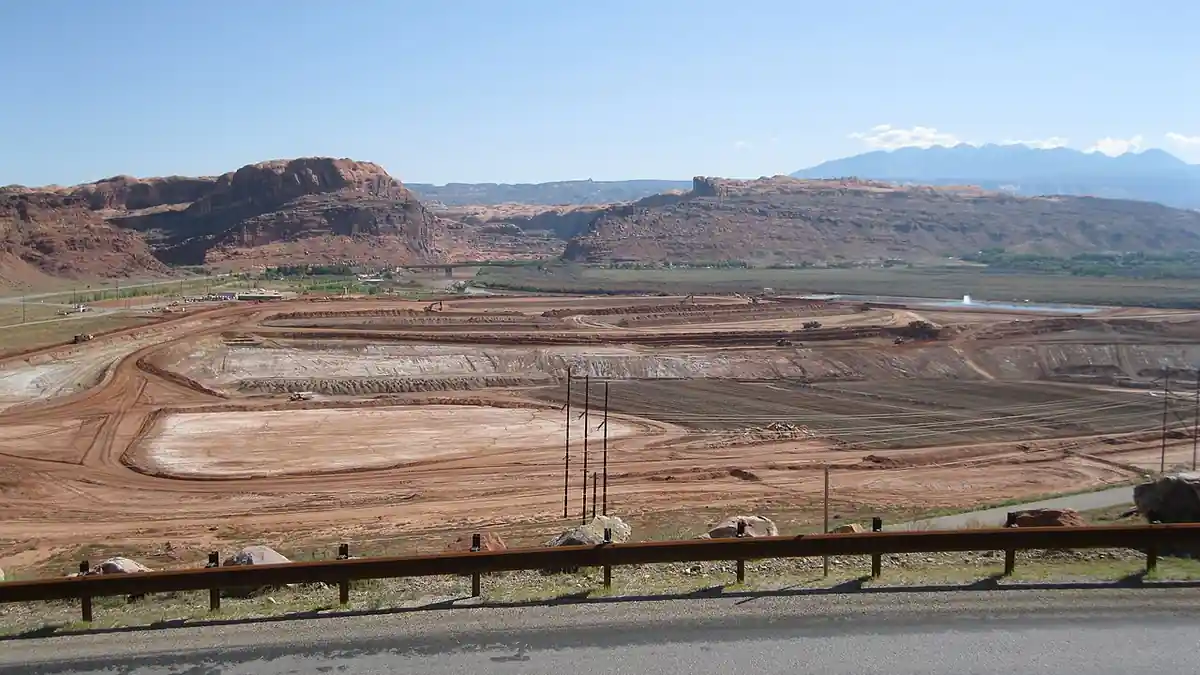
If you live near the Arkansas River or the Fansteel Metals site near Muskogee, EPA says to stay behind the security fencing and follow warning signs. The agency began removing radioactive waste and contaminated soil from the 110-acre site on November 17. The work is expected to continue through Spring 2027, while longer-term cleanup planning proceeds.
The EPA Fansteel Metals Superfund cleanup covers around 2,200 supersacks of radioactive waste and contaminated soil, as well as approximately 500 gallons of containerized liquid waste. The site is a former metals processing facility inside the Cherokee Nation boundary, near Muskogee, Oklahoma. EPA says the work is the next phase of cleanup and, together with three earlier removals, is intended to address the site’s most immediate risks to people and the environment.
The facility processed ore and slag containing radioactive material from 1957 to 2001. It disposed of waste in unlined ponds and basins. EPA expects this removal phase to wrap up in Spring 2027.
EPA advises nearby residents to heed site fencing and warning signs to avoid exposure to radiation, radon gas and other hazardous substances. Housing developments are about one-third of a mile south of the site, and the Arkansas River runs adjacent to its eastern edge.


Latest from Environment

UK Depot Charging Scheme Opens £38M Grant for Electric Vans and HGVs
UK fleet operators planning depot chargers for electric vans, HGVs or coaches can apply for a share of £38 million in government funding. For projects implemented in 2027/28, the Depot Charging Scheme
UK Pledges £20M at COP31 to Protect Coral Reefs and Oceans
For people who depend on healthy seas, the UK’s new COP31 funding backs coral reefs and oceans through reef-friendly businesses and better ways for governments to account for ocean health. Announced on

First 2,000-Acre Kelp Farm Permitted Off Ventura, California
A kelp farm permitted off Ventura, California, now gives coastal communities and growers a proposed new agricultural input: giant kelp grown in federal waters. Ocean Rainforest has secured all major permits for
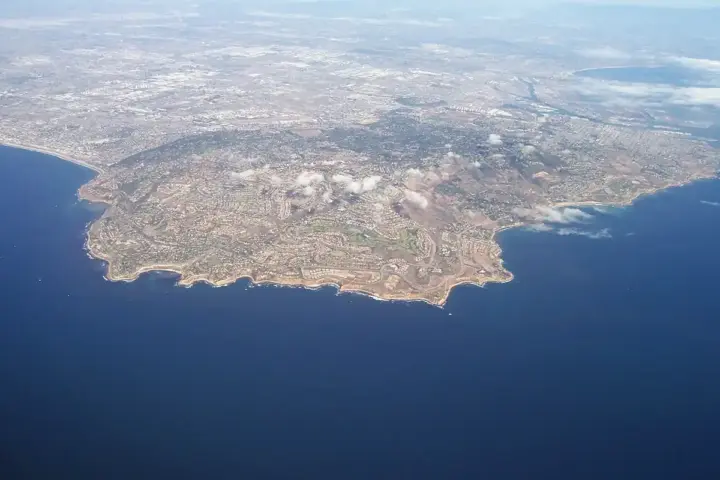
FDA San Pedro Shelf Shellfish Survey Finds Waters Not Approved for Harvest
FDA Survey Finds San Pedro Shelf Federal Waters Do Not Meet Approved Shellfish-Harvest Requirements Southern California seafood buyers may wonder whether the FDA’s finding about the San Pedro Shelf affects shellfish in
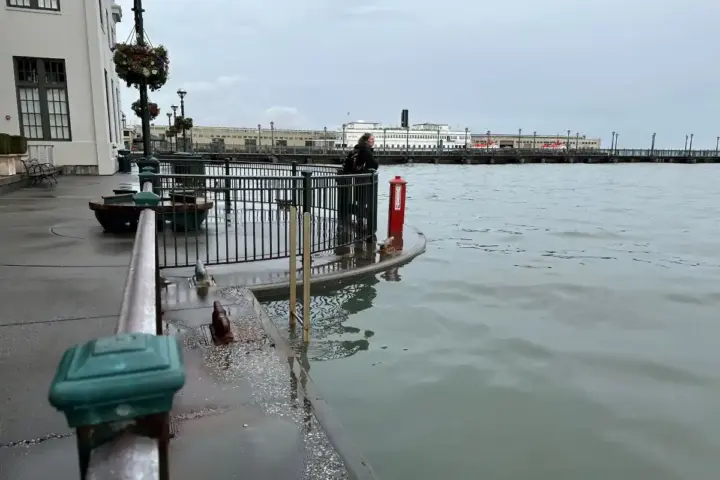
San Francisco High Tides and Storm Bring Bay Area Flood Risk
Bay Area residents and Thanksgiving travelers should prepare for coastal flooding Tuesday and Wednesday, when a strong storm system is expected to coincide with King Tides, according to the National Weather Service
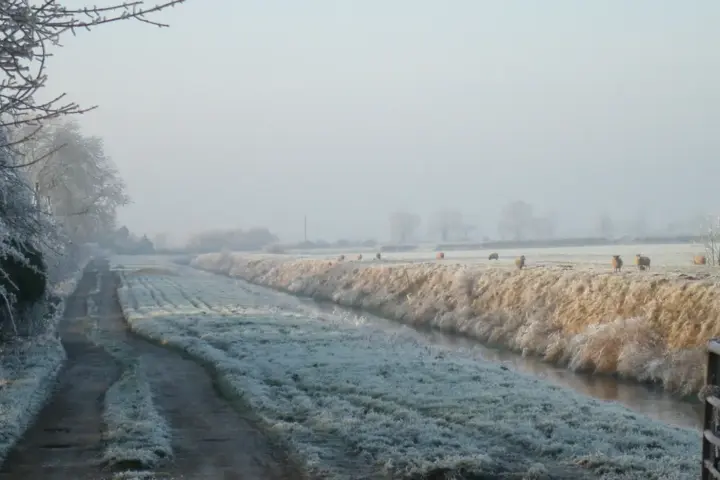
UK cold weather alert extended as temperatures fall to -10 C
Sub-zero temperatures are gripping large parts of Britain, and the cold is not retreating yet. The UK cold weather alert extended by authorities this week means the freeze will hold through Tuesday
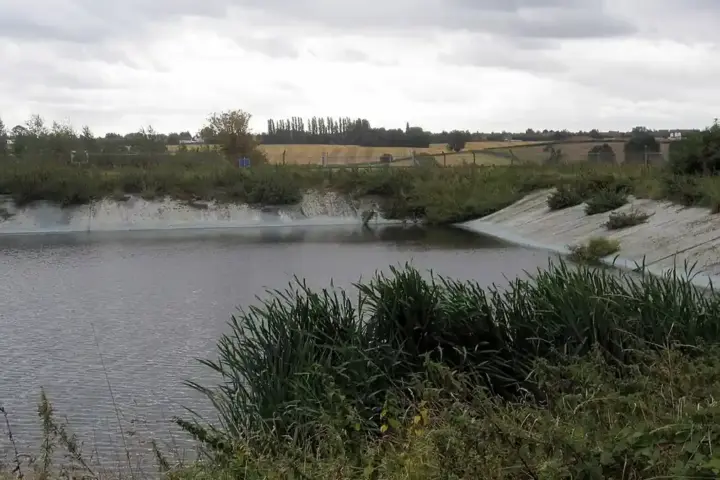
Defra Water Management Grant Round 3 Opens for English Farm Reservoirs
Growers and other eligible applicants in England can apply for a share of up to £15 million in Water Management Grant round 3 from November 30, 2026, to help fund irrigation reservoirs,
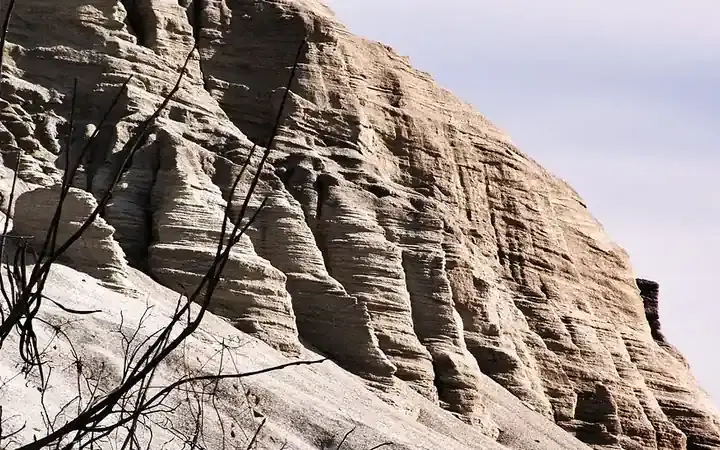
EPA Hazardous Waste Permitting Overhaul: Common Sense RCRA Reform Opens 60-Day Comment Window
People living near hazardous waste facilities have a stake in how quickly cleanup proceeds and who remains responsible for monitoring them afterward. The U.S. Environmental Protection Agency has opened a public input
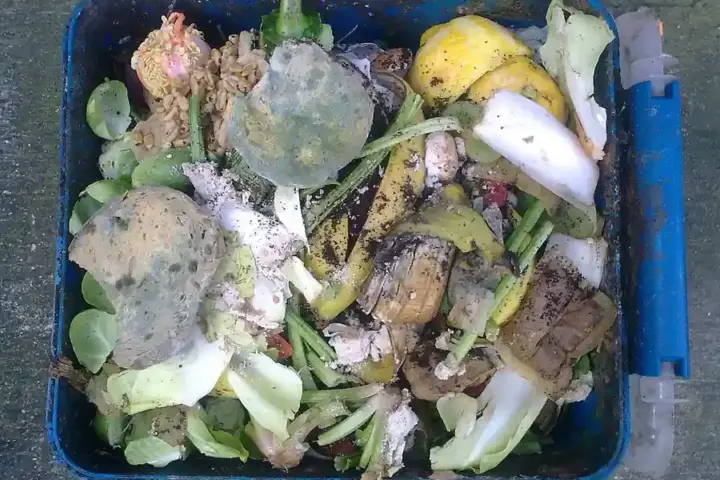
EPA Feed It Onward Reaps ‘Lessons Nationwide’ as 600 South Florida Retailers Divert Surplus Food
Under the EPA Feed It Onward initiative, Feeding South Florida works with more than 600 retail locations across four counties to recover food. It partners with farmers and local organizations as the
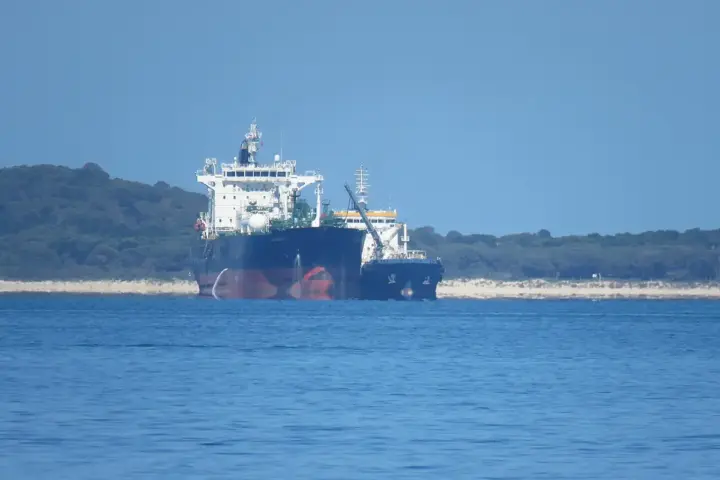
Tara Gas tanker attack in Strait of Hormuz left one crew member missing
Families of crew members and companies moving gas through the Strait of Hormuz may be watching reports about the LPG tanker Tara Gas. UK Maritime Trade Operations and the Joint Maritime Information
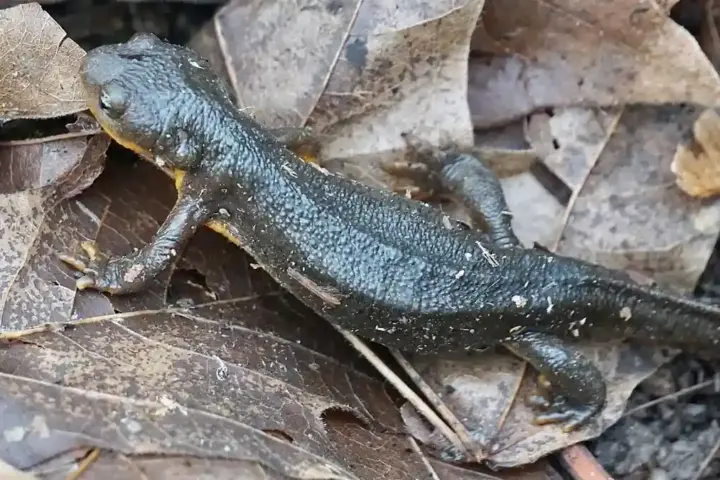
Crater Lake Mazama Newt Faces ‘Endangered’ Listing as 7,000-Year Caldera Refuge Shrinks
If you’re planning a visit to Crater Lake, a federal proposal could affect how the Crater Lake Mazama newt is conserved. It also matters if you follow wildlife protections in the United
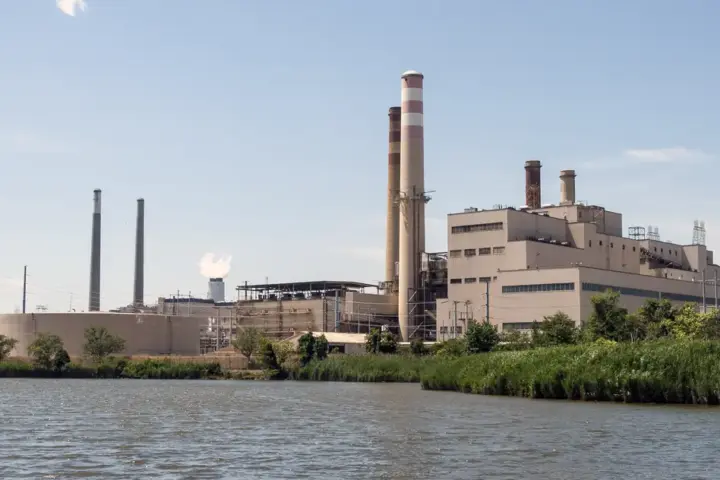
Wagner Unit 4 Order Extended by DOE for PJM Grid
The Wagner Unit 4 order now runs through December 31. For households and businesses across the Mid-Atlantic and parts of the Midwest, winter power reliability depends on whether the grid can meet
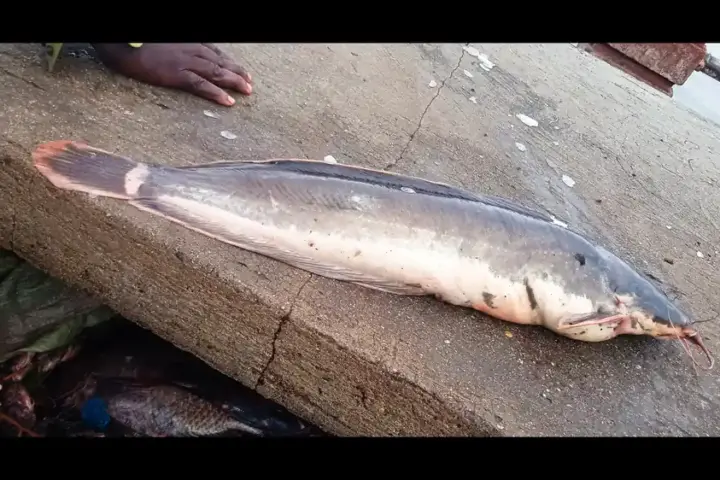
Thai Mangur Ban in India: Why African Catfish Farming Is Banned
Thai Mangur Ban in India: Why African Catfish Farming Is Banned and How Escapes Threaten Native Fish If a fish seller offers you “magur,” the name alone tells you little about which
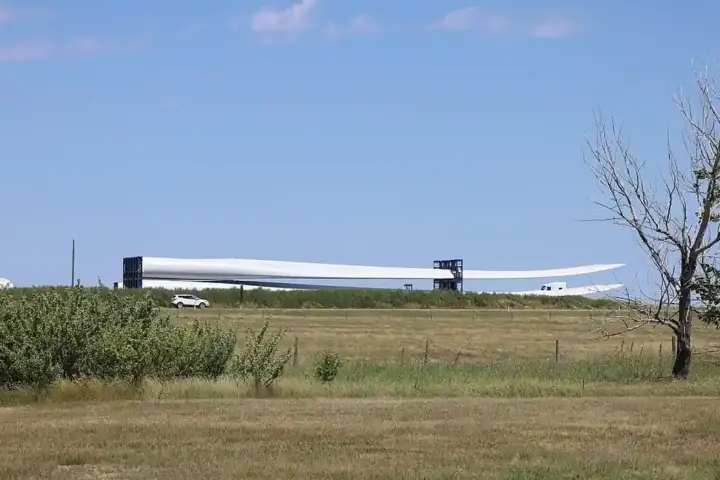
Wind-Turbine Loads Face 278km Detour at Queensland Bridge
Oversized wind-turbine components travelling through Queensland’s Western Downs can face a 278-kilometre detour because of restrictions at Dogwood Creek Bridge near Miles, the Australian Financial Review reported. The bridge is on the
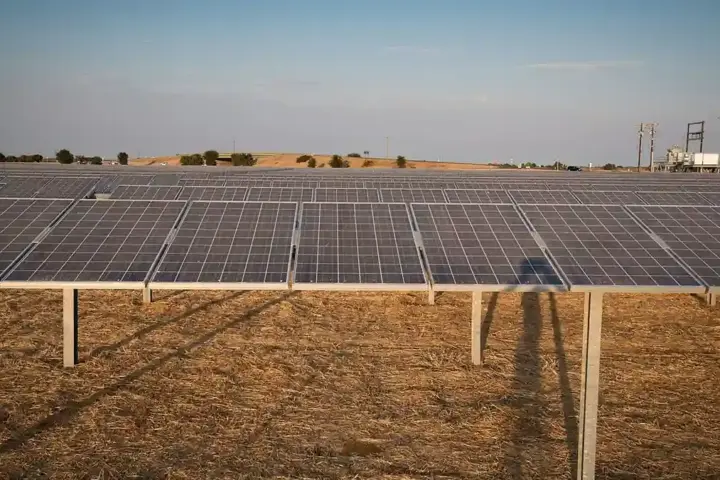
Tazewell County Approves Mackinaw Solar Project; Battery Proposal Delayed
The Tazewell County Board approved a conditional special-use permit for Mackinaw Solar on 18 November, according to local reporting and the county board agenda. The project is planned as a 500-megawatt solar