Rahul Somvanshi
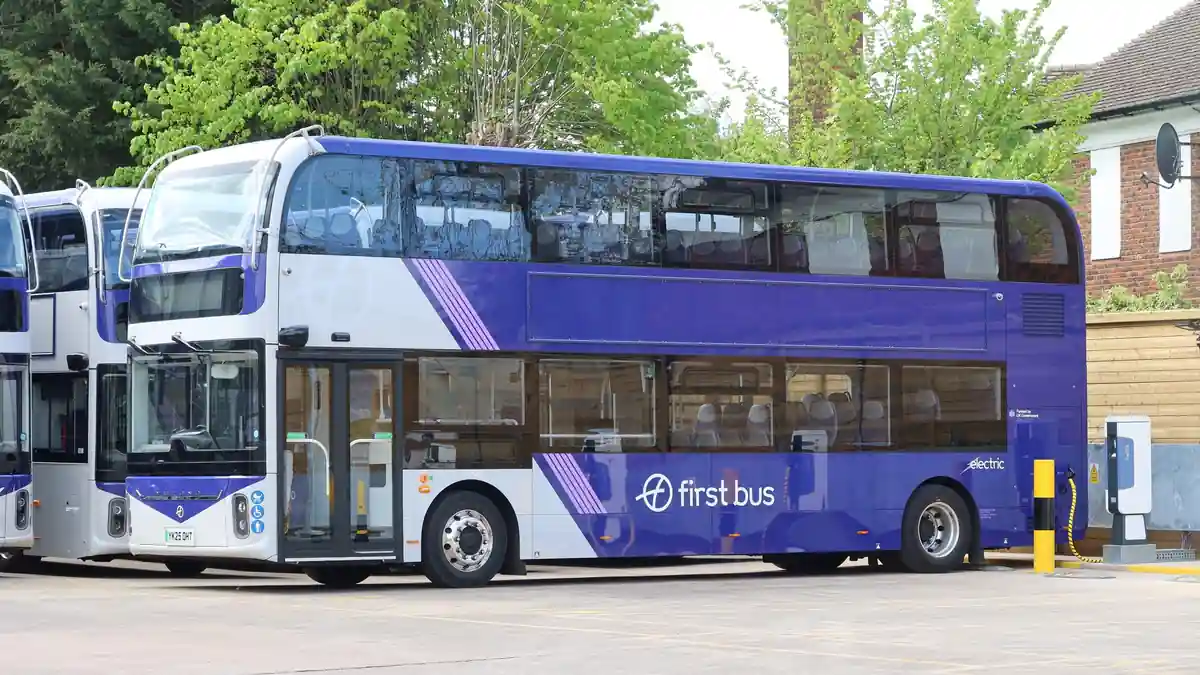
UK fleet operators planning depot chargers for electric vans, HGVs or coaches can apply for a share of £38 million in government funding. For projects implemented in 2027/28, the Depot Charging Scheme covers 60% of chargepoint and civil costs incurred. The cap is £1 million across all sites for each organisation. Applications close at midday on 26 February 2027, and funded work must be completed by 31 March 2028.
The UK Depot Charging Scheme is open to public and private fleets, local authorities and non-profits that meet its operating and depot requirements. It supports charging infrastructure across multiple depot sites, but each organisation can submit only one application during this window. Awards are assessed first-come, first-served, or competitively if applications exceed the available budget.
The £38 million round is part of a £170 million programme running from April 2026 to 2030. The grant rate is 60% in 2027/28, down from 70% in 2026/27. The government anticipates that grant rates will reduce over the programme as charging infrastructure becomes more affordable; future rates have not yet been confirmed.
The lower grant rate means applicants cover a larger share of eligible project costs than in the previous round. Since applications are assessed first-come, first-served unless the scheme is oversubscribed, applicants may wish to prepare early. The £1 million cap applies across an organisation’s eligible sites. Operators weighing vehicle purchases alongside chargers can look at electric heavy trucks already sold in Europe.
UK Depot Charging Scheme eligibility and key dates
Applicants and their vehicle fleet must have been operating in the UK for at least one year when they apply. They must own or lease one or more UK depots and operate, or plan to operate, at least one battery-electric van, HGV or coach. Applicants must show sufficient on-site grid capacity. They also need evidence of an electrification date within the project delivery window, or plans to upgrade supply with additional grid capacity outside that window.
The scheme allows an application to cover any number of depot sites, subject to the £1 million organisation-wide cap. A lead organisation may submit only one application in this window. If infrastructure is shared with other fleet operators, its pricing must use cost recovery for at least three years after the grant is awarded.
The official grant listing gives the main dates. The window opened on 11 November 2026 and closes at midday on 26 February 2027. The target date for concluding award decisions is 28 May 2027. Project work must conclude by 31 March 2028.
The scheme sits alongside the Zero Emission Van and Truck Grant, which supports purchases of eligible vehicles. Fleet operators considering both vehicle and depot costs can also read about UK EV target concerns and electric bus charging on London’s Route 358.
The 2027/28 rate is 10 percentage points below the 70% rate available in 2026/27. The government anticipates further reductions over the programme as charging infrastructure becomes more affordable, but future grant rates have not yet been confirmed. A later round may offer a smaller share of eligible costs. London’s zero-emission bus rollout shows the scale of depot charging already under way in the UK.
How much funding does the UK Depot Charging Scheme offer in 2027/28?
The 2027/28 window has £38 million available. It covers 60% of chargepoint and civil costs incurred, up to £1 million across all sites for each organisation. Public and private fleets, local authorities and non-profits that meet the scheme’s requirements can apply by midday on 26 February 2027.
Applicants are encouraged to complete the scheme’s pre-assessment questionnaire before applying. Its result is an initial indication only and does not confirm eligibility or constitute an offer or approval of grant funding. Technical support is available from WSP at dcs@wsp.com; grant queries can be sent to ggms_depot_cs@cabinetoffice.gov.uk. Operators should allow time to check grid capacity, site costs and any shared charging arrangements before submitting. The scheme’s stated deadline for project work to conclude is 31 March 2028.