Ford Oakville Investment 2026: Canada and Ontario Commit $928.5M
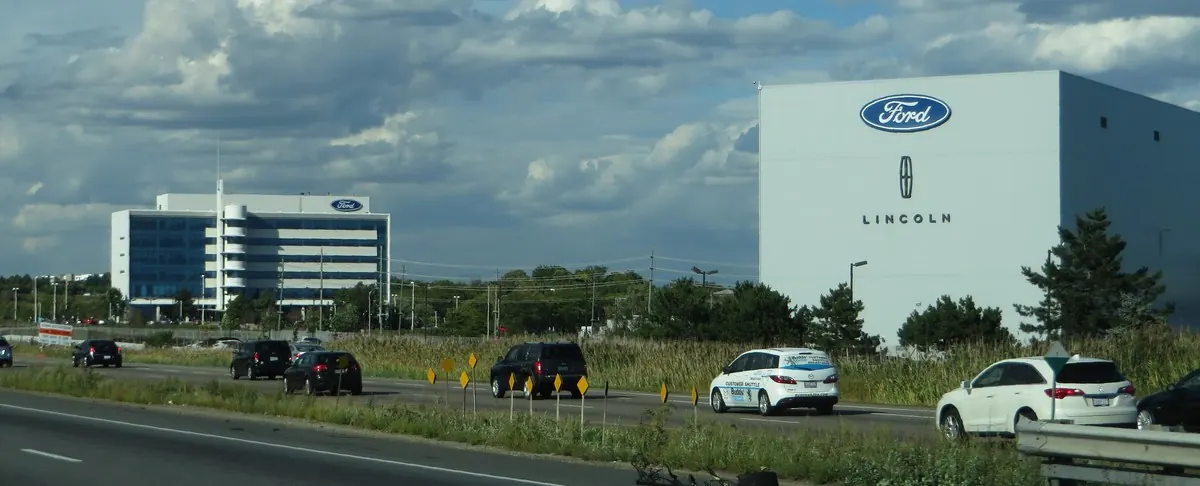
Canada and Ontario Invest $928.5M in Ford Oakville Retool
The Ford Oakville investment 2026 adds Super Duty truck capacity for fleet buyers and Oakville auto workers, and marks a major factory transition. Canada and Ontario announced a combined $928.5 million in support on November 20, 2026, for Ford Motor Company of Canada’s nearly $5 billion project at the Oakville Assembly Complex. The project includes a stamping plant and multi-energy versions of the F-Series Super Duty. Ford has not yet detailed those powertrains.
The federal contribution is $464.5 million through the Strategic Response Fund. Ontario is contributing $464 million, as outlined in the provincial announcement. Together, the funding supports the expansion and retooling of the Oakville factory, as well as construction of an on-site stamping plant to make large automotive parts in Canada.
The complex is now producing Super Duty trucks, and Ford says trucks built there are shipping to dealerships. The project supports capacity for up to 100,000 vehicles annually. Oakville-built Super Duty trucks will supply North America and be exported to other countries. The announcement says the project will protect more than 2,000 jobs at the complex. Ford has said it will introduce multi-energy variants, but the announcement does not specify whether those will include hybrids, plug-in hybrids, or fully electric models.
For workers at Oakville and Canadian parts suppliers, the commitment offers a production plan tied to a large factory investment. The government says more than 2,000 jobs at the complex will be protected, while nearly 700 automotive parts manufacturers are part of the wider Canadian sector. For North American fleet buyers, planned capacity of up to 100,000 vehicles a year could add another source of Super Duty trucks. Ford says production has begun; the government announcement does not specify actual output.

Latest from Business
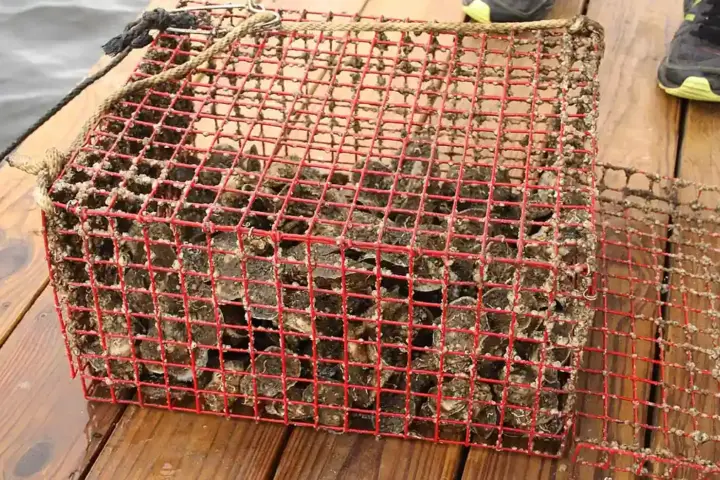
Virginia Oyster Farm Ban Draws $9.1M Lawsuit From Little Wicomico
### STORY 4 — PRIORITY #4 Little Wicomico Oyster Company Sues Virginia for $9.1M Over Oyster Farm Ban A Virginia oyster grower says a state order left millions of young oysters unattended

Suresh Gopi Rules Out Immediate Petrol and Diesel Price Cut, Cites ₹42,000 Crore Losses
Drivers hoping for cheaper fuel before the new year should not count on a central price cut. Union Minister of State for Petroleum and Natural Gas Suresh Gopi has ruled out an

Dollar General Overcharging Lawsuit: 30 States Join FTC Case
The Dollar General overcharging lawsuit now covers 30 states. Ten more states have joined the Federal Trade Commission’s case alleging Dollar General routinely charged customers above the advertised price, bringing the coalition
Australia Loses 43,500 Jobs as Unemployment Hits 4.9%, Highest Since October 2021
Australians following the jobs market saw employment fall in October as the unemployment rate rose to 4.9%. The Australian Bureau of Statistics (ABS) reported that seasonally adjusted employment dropped by 43,500 people
Anthropic Raises $81.3 Billion in Nasdaq IPO as Shares Briefly Imply $2 Trillion
Anthropic raised about $81.3 billion in its initial public offering, pricing 980 million shares at $83 each before its Nasdaq debut on 19 November. The offering price put the company’s initial IPO
Gold hits 14-month low as silver slips on Fed hike bets
On Friday, November 20, spot gold fell 1% to $3,585.92 an ounce by 1113 GMT, after touching $3,513.54 earlier in the session, its lowest level since September 4, 2025. Reuters reported the
US 30-Year Mortgage Rate Rises to 7.28%, Freddie Mac Says
The average rate on a 30-year fixed mortgage in the United States rose to 7.28% in Freddie Mac’s survey published 19 November. That was up from 7.11% the previous week and 6.26%
JPMorgan, Visa and Mastercard Report Cyber Incidents Involving Third-Party Providers
Customers concerned about reports involving JPMorgan Chase, Visa and Mastercard should distinguish the companies’ separate disclosures. Each company described an incident involving a third-party provider. The available reports do not establish that
Disney Beats Q4 Earnings but CFO Hugh Johnston Confirms More Layoffs
Disney posted its strongest quarterly revenue in company history and confirmed more jobs are going in the same breath. CFO Hugh Johnston told CNBC directly: “We do expect more layoffs as we

Anthropic IPO: Sound Ventures Stands to Gain $7 Billion on Kutcher-Backed AI Bet
Ashton Kutcher built his reputation in Hollywood, but his most consequential role may be the one he played quietly in Silicon Valley. His venture firm, Sound Ventures, placed an early bet on
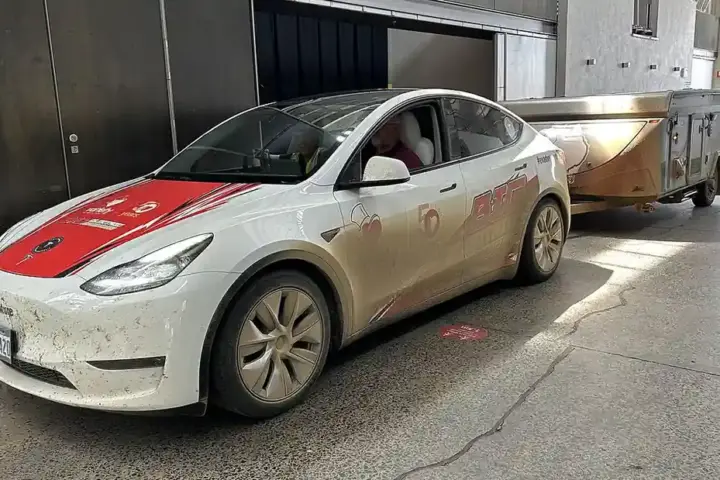
Lifestyle Camper Trailers Enters Liquidation, Leaving Customers Without Orders or Deposits
Lifestyle Camper Trailers Pty Ltd, a Queensland recreational vehicle manufacturer founded in 2002 at Woodridge, south of Brisbane, entered voluntary liquidation on 18 November 2026 following a members’ meeting, leaving an unknown
DWP Universal Credit AI Reviews: What the Algorithm Means for Your Benefits
If you claim Universal Credit and have seen headlines suggesting that an AI tool is about to freeze your payments without warning, the truth is more specific. The DWP is using a
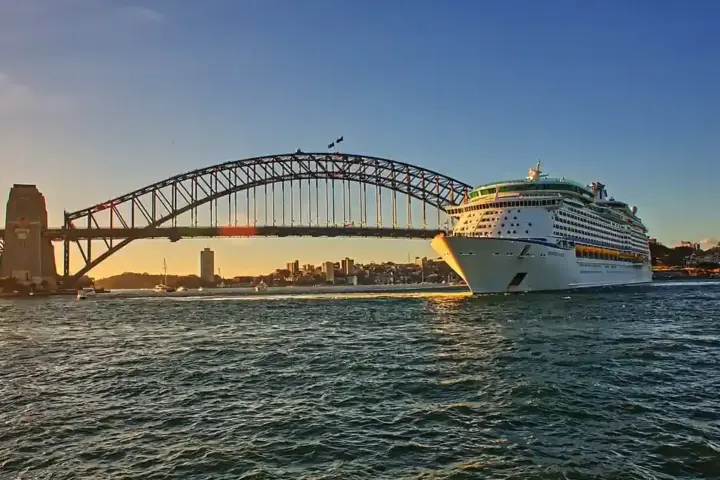
Australia Cruise Industry Loses $1.75 Billion as Carnival Halves Its Fleet by 2028
Australia’s cruise industry has absorbed a $1.75 billion hit over two years, with the country’s total cruise tourism contribution sliding from $8.43 billion to $6.68 billion, according to a joint report by
Anthropic IPO Prices at $83 a Share, Raises $81.3B and Surpasses SpaceX Record
Anthropic’s shares opened on the Nasdaq this morning under ticker ANT, closing out the biggest initial public offering in Wall Street history. The company priced at $83 per share, raising $81.3 billion
RBA raises cash rate to 4.85 percent and forecasts slower growth, but no recession in central outlook
Headlines about an Australia recession can make any household nervous. If you have a mortgage, rely on a pay cheque or live off savings, you want to know what is real. The