 Tejal Somvanshi
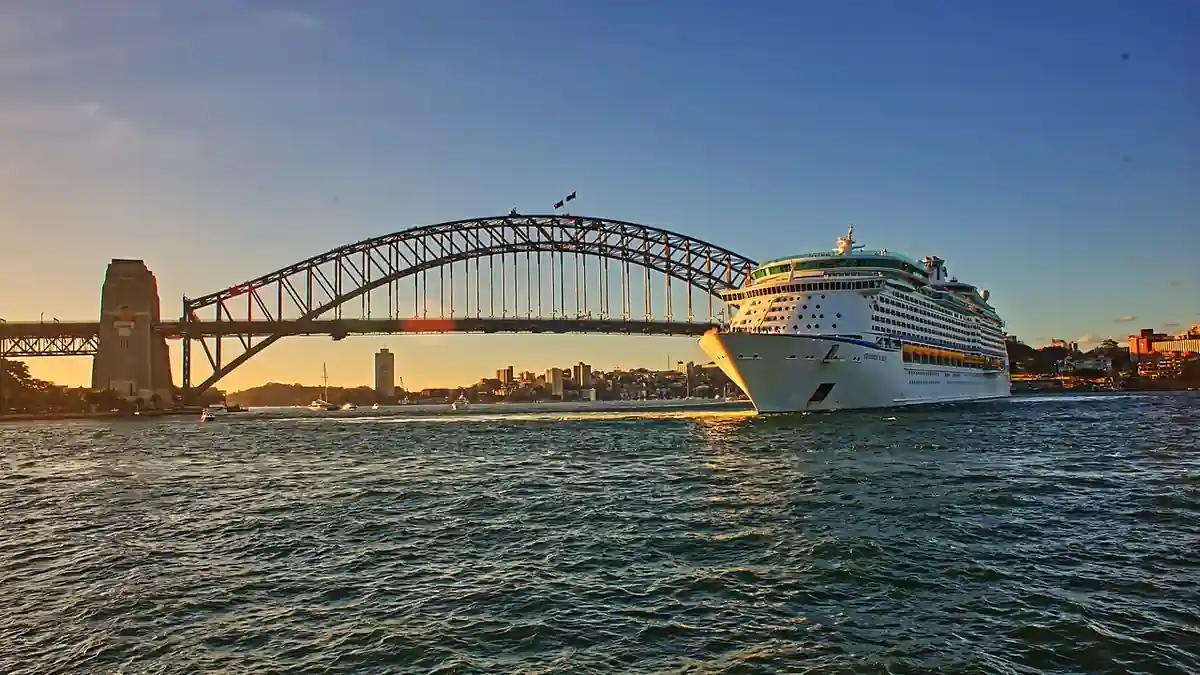
Australia’s cruise industry has absorbed a $1.75 billion hit over two years, with the country’s total cruise tourism contribution sliding from $8.43 billion to $6.68 billion, according to a joint report by the Cruise Lines International Association (CLIA) and the Australian Cruise Association (ACA). The culprit, industry operators say, is a compounding stack of regulatory uncertainties and rising costs that have made Australian ports among the most expensive in the Asia-Pacific region.
The scale of the retreat is tangible. Carnival — the world’s largest cruise operator — has announced it will halve its Australian fleet by 2028, redirecting capacity toward Southeast Asian and Pacific routes where operating economics are more favorable. For travelers, that means fewer departures, reduced itinerary variety, and higher ticket prices driven by constrained supply.
The Numbers Behind the Decline
The CLIA-ACA report lays out the contraction in detail. Ship visit days fell 7.8% to 1,567, while passenger visit days dropped 13.5% to 3.1 million. The number of Australian ports and destinations receiving cruise calls fell 23.2% to 43 — meaning entire regional communities have lost the economic traffic that cruise stopovers generate.
The industry still supports 20,021 full-time jobs and A$2.15 billion in wages, figures that underscore what is at stake if the decline continues. Passengers who do visit remain high-value: spending reached A$459 per day ashore, up 4.1% year-on-year — a signal that demand quality is holding even as volume shrinks.
The sharpest irony in the data is this: a record 1.45 million Australians took an ocean cruise last year, up 9.5%. Australians’ appetite for cruising has never been stronger. The ships, increasingly, are just not sailing from Australian ports to meet them.
Regulation as a Double-Edged Instrument
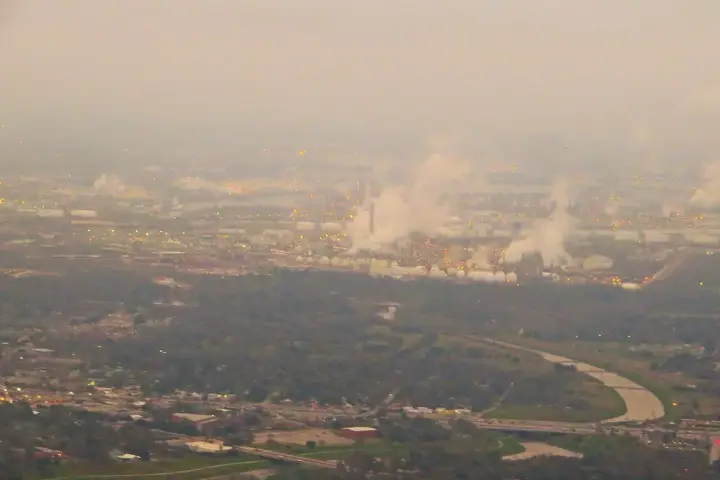
Shore-power infrastructure requirements — designed to reduce dockside emissions by allowing ships to plug into the electrical grid rather than run auxiliary engines while berthed — represent one layer of the compliance environment operators cite. The intent is legitimate: cruise ships idling in port generate heavy air pollution, and the environmental footprint of cruise operations extends well beyond exhaust — encompassing gray water discharge, microplastics, and chemical runoff into coastal waters. But when regulatory uncertainties compound across multiple compliance domains, the cumulative effect on deployment economics can tip a market from viable to marginal.
A Structural Shift, Not a Blip
Industry analysts are treating the withdrawal as structural rather than cyclical. Ships that leave a market rarely return quickly — rerouting decisions involve multi-year deployment contracts, crew relocations, and marketing investment in replacement destinations. Australia’s window to reverse the trend is narrow.
The $1.75 billion loss in cruise contribution ripples through hotels, restaurants, tour operators, and retail — sectors that built capacity around predictable cruise passenger volumes. The 43 ports still receiving visits are fewer than before; the communities that dropped off the itinerary map have lost that throughput entirely.
For Australia to retain its position as a viable cruise destination, port authorities and regulators face pressure to restructure levy frameworks — finding a way to fund environmental compliance without pricing the industry out of the market. The current trajectory suggests that without reform, the loss will deepen before it recovers. Meanwhile, 1.45 million Australians who want to cruise will simply board elsewhere.