 Tejal Somvanshi
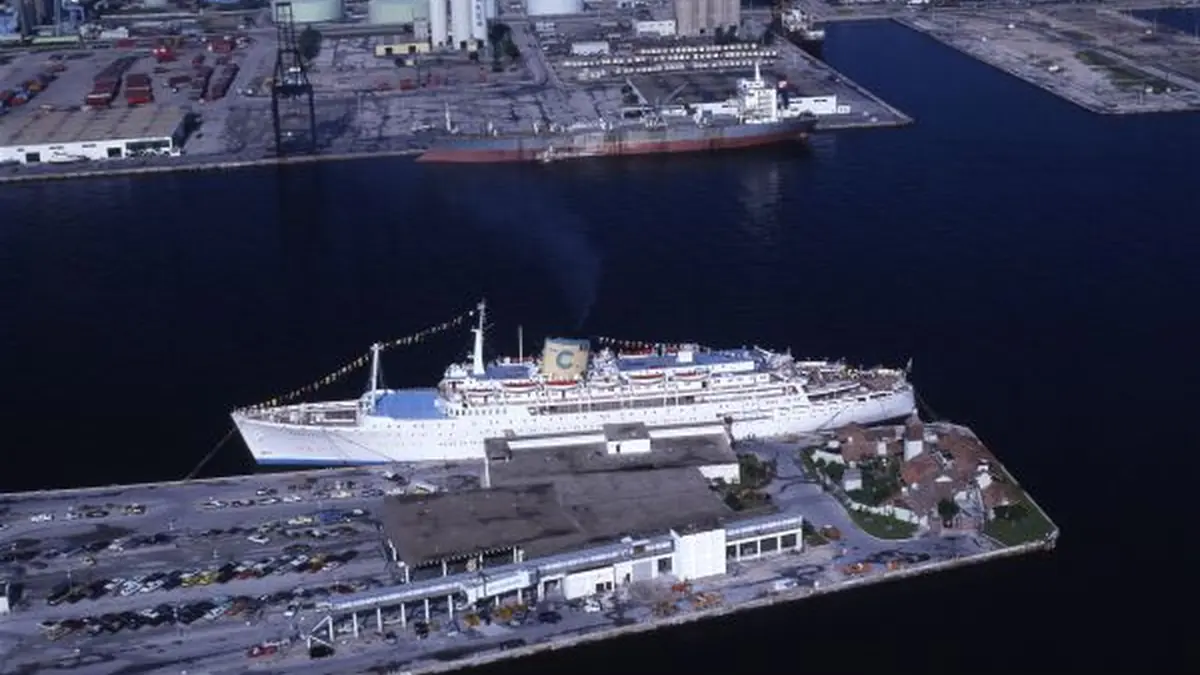
Villa Vie Odyssey “Endless Cruise” Stranded in Cambodia as Fuel Costs Rise to as Much as $8,000 Per Cabin
If you bought or leased a cabin on the Villa Vie Odyssey, or a family member did, your next question is probably about money. The “endless” cruise ship has suspended operations in Cambodia. Its operator blames soaring fuel costs and says it has 60 days to restructure and find new funding. Here is what is known, and what cabin owners can do now.
The Villa Vie Odyssey, a residential cruise ship where people buy or lease cabins as homes, was announced as suspended on October 27, 2026. Residents were ordered off the ship at Sihanoukville, Cambodia, where officials counted 203 passengers and 156 crew aboard. The ship, built in 1993, left Belfast in late 2024 after a four-month delay. Its operator says monthly fuel costs per cabin rose from about $1,800 to as much as $8,000 in parts of Asia. The ship has 485 cabins. The company blamed fuel price increases linked to the Iran war. The company says it has 60 days to restructure and secure funding, and that no financing agreement has been completed.
Most of those living aboard were Americans. The suspension has turned a home at sea into a crisis. The company covers accommodation and local transport for residents but not flights out of Cambodia, according to its founder. The company has not said whether cabin owners will receive refunds or credits. Read your contract before paying any more fees.
Why the Company Says Fuel Costs Halted the Villa Vie Odyssey
For background on the Strait of Hormuz and oil prices, see our Strait of Hormuz coverage.
The company’s figures put monthly fuel costs at as much as $8,000 per cabin, up from about $1,800. Our own hypothetical calculation, not an operator figure, puts the increase at about $3 million a month across 485 cabins if every cabin were occupied and the same increase applied to all.
Frequently asked questions
Why did the Villa Vie Odyssey suspend its world cruise in Cambodia? The operator announced the suspension of operations on October 27, 2026. It blamed higher fuel prices linked to the Iran war. Its figures show monthly fuel costs per cabin rising from about $1,800 to as much as $8,000 in parts of Asia, and it says it has 60 days to restructure and find new funding.
How much did fuel costs increase for the Villa Vie Odyssey? According to the operator, monthly fuel costs per cabin rose from about $1,800 to as much as $8,000 in parts of Asia. Taking the top figure, that is an increase of about 344%, or about $6,200 per cabin each month.
What happens to passengers who bought cabins on the Villa Vie Odyssey? The company has not said whether cabin owners will receive refunds or credits. Cabin owners should read their contracts closely.
Residents were moved off the ship in Sihanoukville, and the company says it is arranging temporary accommodation. The company has 60 days to restructure and secure funding, and no financing agreement has been completed. We will update this story when the company announces the outcome of its restructuring. Check back for updates.
\———————————————————————————————–
\———————————————————————————————–
## How to Log Into WordPress REST API — Step by Step
### What We Used: \*\*Application Password Authentication\*\*
\—
### Step 1: Get the Credentials
From the Pipeline file (\`Karmactive Pipeline.md\`), the credentials are:
\- \*\*Username\*\*: \`Sunita Somvanshi\`
\- \*\*Application Password\*\*: \`Tw8Q Khc9 8KxU 5L4O 3Q0s 0w6J\` (remove spaces → \`Tw8QKhc98KxU5L4O3Q0s0w6J\`)
> Application Passwords are created in WordPress Admin → \*\*Users → Profile → Application Passwords\*\* section. They’re separate from the login password and designed for API access.