 Tejal Somvanshi
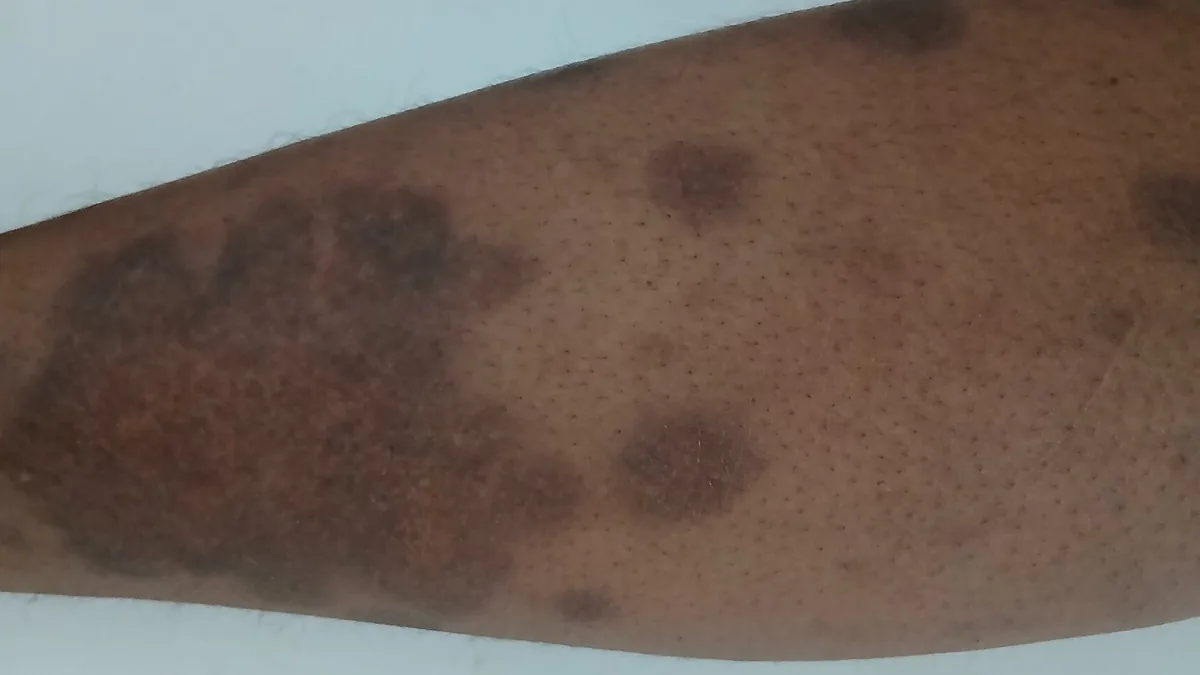
Your skin flares, you visit urgent care, and the flare is treated as an isolated abscess. Then it all happens again. People living with hidradenitis suppurativa can face a substantial diagnostic delay; some studies report up to 10 years. The HCPLive panel says that, at emergency and urgent care, each flare is treated as an isolated abscess and the underlying pattern goes unrecognised.
Hidradenitis suppurativa (HS) is associated with a substantial diagnostic delay. Some studies report a delay of up to 10 years. An HCPLive Peer Exchange panel, dated 22 October 2026, put the delay in those terms. The panel was moderated by Martina Porter, MD, and included panellists Ali Shahbaz, MD, FAAD, FRCPC, and Michelle Tarbox, MD. A separate BlackDoctor Expert Explains piece, published 25 October 2026, features dermatologist Dr. DiAnne Davis, who talks about who may belong on a care team. The condition can affect hormones, mental health, intimacy and relationships as well as the skin. The HCPLive piece is dated 22 October 2026 and the BlackDoctor piece 25 October 2026. The HCPLive panel names the cost of that delay in three parts, covered below.
The panel says each flare can be treated in isolation, so the underlying pattern goes unrecognised. That is easy to miss when each visit is handled on its own. The panel frames the cost of delay as lost time and productivity at work, lost functional tissue, and lost ability to participate fully in life.
Who should be on your care team
Davis explains why people with HS may benefit from a broader care team. It can include a dermatologist, an OB-GYN, a mental health professional and a sexual health expert.
Davis also explains why bringing a partner into conversations about care can help. A partner who understands HS can help create a stronger support system at home.
The HCPLive panel describes the cost of delay in three parts. The first is lost time and productivity at work. The second is lost functional tissue, exchanged for tunnels and scarring. The third is lost ability to take full part in life.
Visible lesions can bring shame, pain, a bad smell and drainage. Some people pull away from those they love because they do not realise the lesions are not contagious. The panel links this isolation to lost relationships, missed work and missed life events. Readers who want more health context can find it on Karmactive health coverage.
Patients may also feel uncomfortable discussing these private areas with a new physician. The panel says that places responsibility on clinicians to be educated about the disease.
How long does HS take to diagnose? Some studies report a diagnostic delay of up to 10 years, according to the HCPLive panel. The panel links the delay to the condition’s episodic course, with flares alternating with remission. It also points to emergency and urgent care, where each flare is treated as an isolated abscess and the underlying pattern goes unrecognised. Looking at the pattern across visits, rather than one flare at a time, is what helps.
Some studies report a diagnostic delay of up to 10 years, partly because flares come and go. The condition can reach hormones, mental health and relationships as well as the skin. A broader care team can include a dermatologist, an OB-GYN, a mental health professional and a sexual health expert. The cost of delay is work time, functional tissue and participation in life.