Sunita Somvanshi
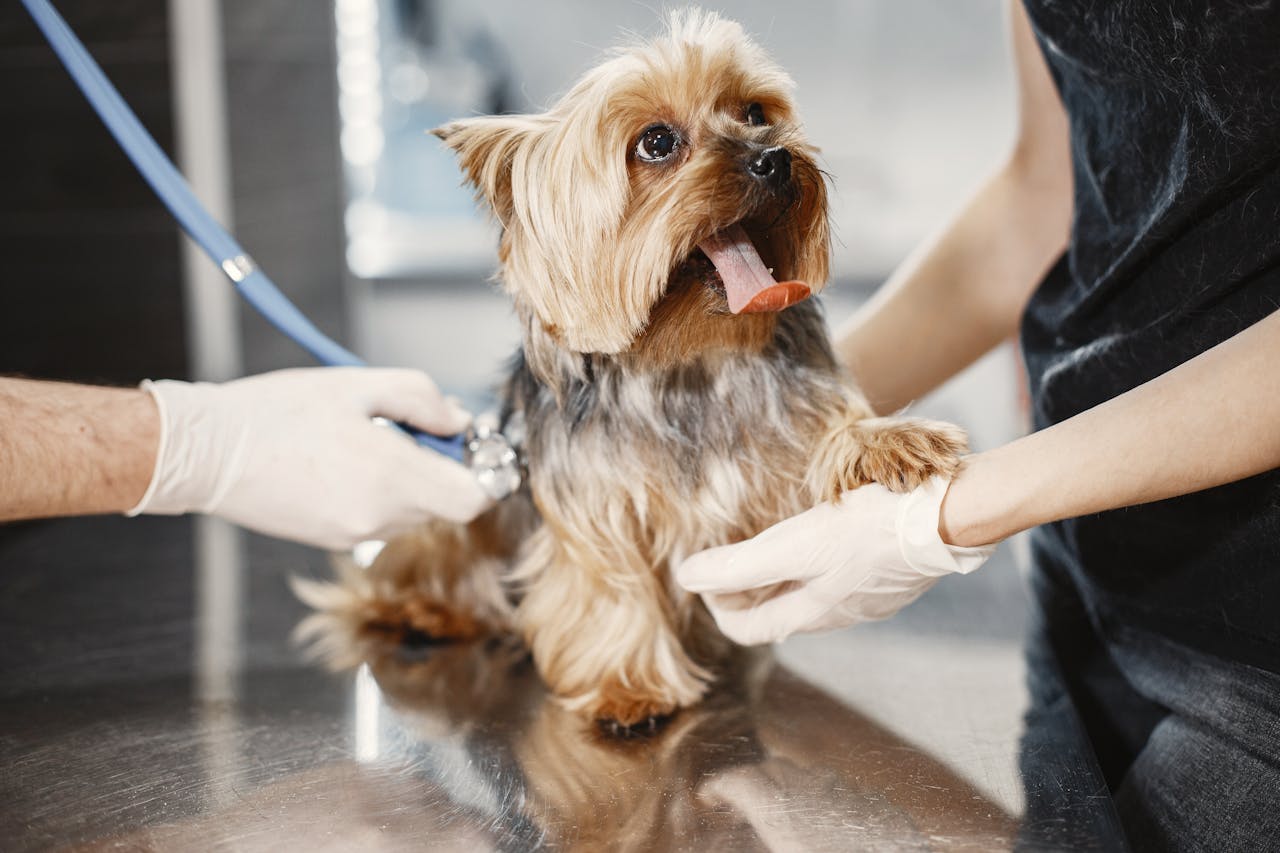
Dogs in Japan now average close to 14.9 years of life. Domestic cats average approximately 15.9 years. Both figures are among the highest recorded anywhere in the world, according to Japan Pet Food Association (JPFA) data—and both represent significant increases from baseline measurements just a decade ago. An Asahi Shimbun feature published on October 20, 2026 examines what is driving these numbers, and what the country’s veterinary infrastructure is struggling to do in response.
Three factors consistently explain Japan’s exceptional companion animal longevity: near-universal indoor living that removes exposure to traffic, infectious parasites, and extreme heat; high-quality formulated commercial nutrition customized by life stage and breed size; and routine preventative veterinary care including early-stage chronic disease screening. Japan’s 2022 law requiring breeders and pet shops to microchip and register animals has also brought greater traceability to companion animal ownership, helping municipal veterinarians track medical histories and return lost animals to their families more reliably.
As veterinary advances allow dogs and cats to live well past 15 years, pet owners everywhere must prepare for the complex realities of senior care. Keeping aging pets active indoors requires non-slip flooring, early cognitive stimulation, and biannual geriatric blood panels to catch organ decline early. Planning financially and emotionally for end-of-life care ensures beloved companions enjoy dignity and comfort in their final years.
The Asahi feature identifies what Japanese veterinarians have quietly called *niju-koreika*—”double aging.” It describes the growing number of Japanese pet owners in their 70s and 80s caring simultaneously for geriatric pets in their late teens. When these owners enter assisted living facilities—many of which do not accept companion animals, though pet-friendly options are growing—their pets can face abandonment or placement difficulties, creating a welfare challenge that Japan’s municipal shelter network is not fully equipped to absorb. Specialized geriatric pet nursing homes and hospice daycares have opened in Tokyo and Osaka to address this gap, and the number of senior-care facilities for pets has grown from roughly 20 in 2013 to over 200, but demand continues to outpace capacity.
Japan’s widespread culture of indoor pet keeping protects animals from the environmental factors that shorten lives, but it also brings challenges: limited physical activity and hard flooring in high-rise apartments can accelerate muscular atrophy and joint degradation in larger breeds—a trade-off that has fueled demand for canine physiotherapy, orthopedic bedding, and joint supplement markets.
Why do pets in Japan have record-breaking lifespans? Domestic dogs and cats in Japan benefit from widespread indoor living, premium formulated diets, routine preventative veterinary care, and specialized treatments for chronic senior conditions like feline kidney disease and osteoarthritis. The combination produces average lifespans of close to 14.9 years for dogs and approximately 15.9 years for cats—among the highest recorded anywhere in the world.
Geriatric physical conditioning research for mammals offers relevant parallels for senior pet care; the depth of the human-animal bond in emergencies grounds the emotional stakes of senior pet welfare, and the legal protections available to companion animals show that these relationships carry weight beyond sentiment.
—