 Tejal Somvanshi
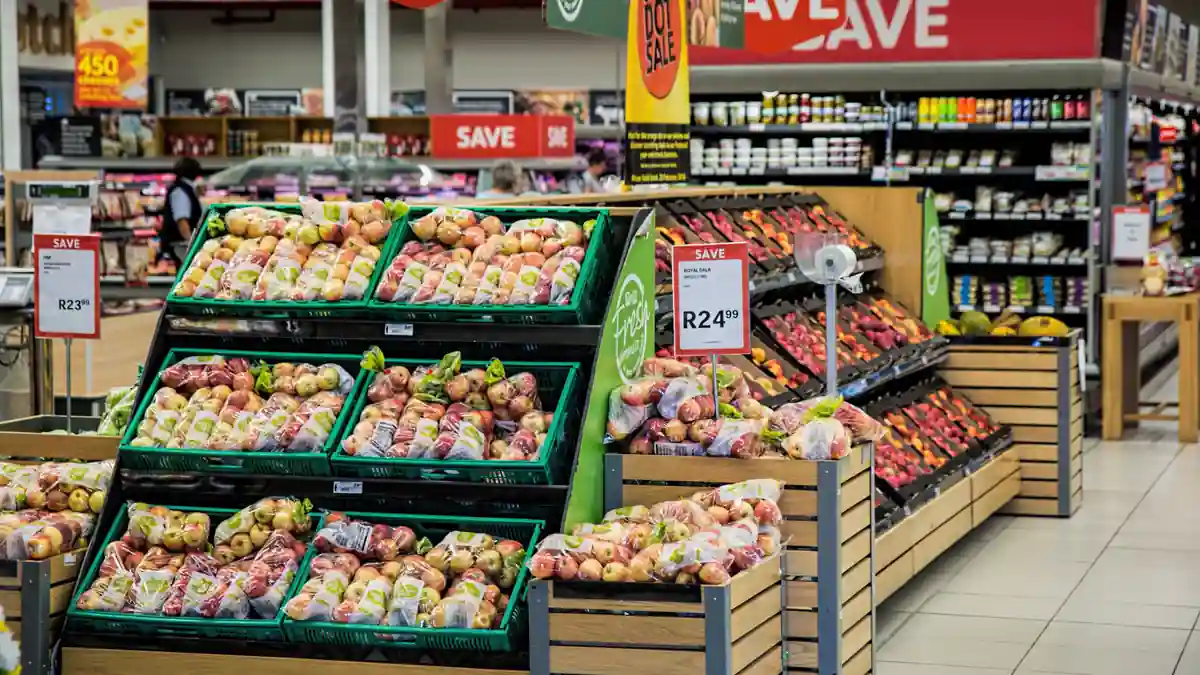
Maharashtra’s Food and Drug Administration suspended five food-business licences and ordered two unlicensed establishments to stop operations across Thane and Pune districts on October 14 and 15, following inspections that found conditions regulators said fell below legal standards. Goods valued at approximately Rs 48 lakh were seized during the operation.
Inspectors visiting the facilities documented a range of issues that formed the basis for the suspensions. Among the findings were the presence of pests, deficiencies in cold-room and general storage conditions, and discrepancies in records relating to expired stock. Each finding relates to obligations that licensed food businesses must meet: keeping premises free of infestation, maintaining appropriate temperatures for perishable goods, and keeping accurate accounts of products that have passed their use-by dates. Where those obligations were not being met, regulators moved to suspend the relevant licences.
The two establishments found to be operating without any licence faced stop orders rather than suspensions. Operating without a licence removes the minimum layer of regulatory oversight that a licensed business carries, and regulators acted to halt those operations immediately.
First Information Reports have been filed against ten people linked to supply operations connected to Reliance Retail Ltd, Blinkit Commerce Pvt Ltd and Zomato Hyperpure Pvt Ltd, as well as disposal agencies and local suppliers. The FIRs record the regulatory allegations that prompted their filing; they do not establish criminal guilt, and investigations are continuing. The individuals named have the opportunity to respond through the legal process.
Why the licences were suspended
The Maharashtra FDA suspended the five licences because on-site inspections found pest presence, inadequate storage and cold-room conditions, and record irregularities concerning expired goods — findings that indicated the facilities were not meeting the requirements attached to their licences. Licence suspension is a tool regulators use to interrupt the risk of substandard goods moving further along the supply chain while operators address the identified problems.
For consumers who use quick-commerce grocery or food-delivery services that draw on Thane and Pune district supply infrastructure, the action is a reminder that the warehousing and logistics layer of those platforms is subject to the same food safety rules as any other part of the food supply chain. Temporary reductions in product availability on platforms linked to the named supply chains may follow while investigations proceed and operators work to restore compliance.
Maharashtra’s FDA has directed increasing enforcement attention toward the intermediate handling stage of the food supply chain, where temperature management and accurate stock rotation carry direct implications for what ultimately reaches customers. Facilities whose licences have been suspended must show regulators that each identified deficiency has been corrected before reinstatement will be considered. The two unlicensed operations face the prospect of formal prosecution in addition to the stop orders already issued.