 Karmactive Staff
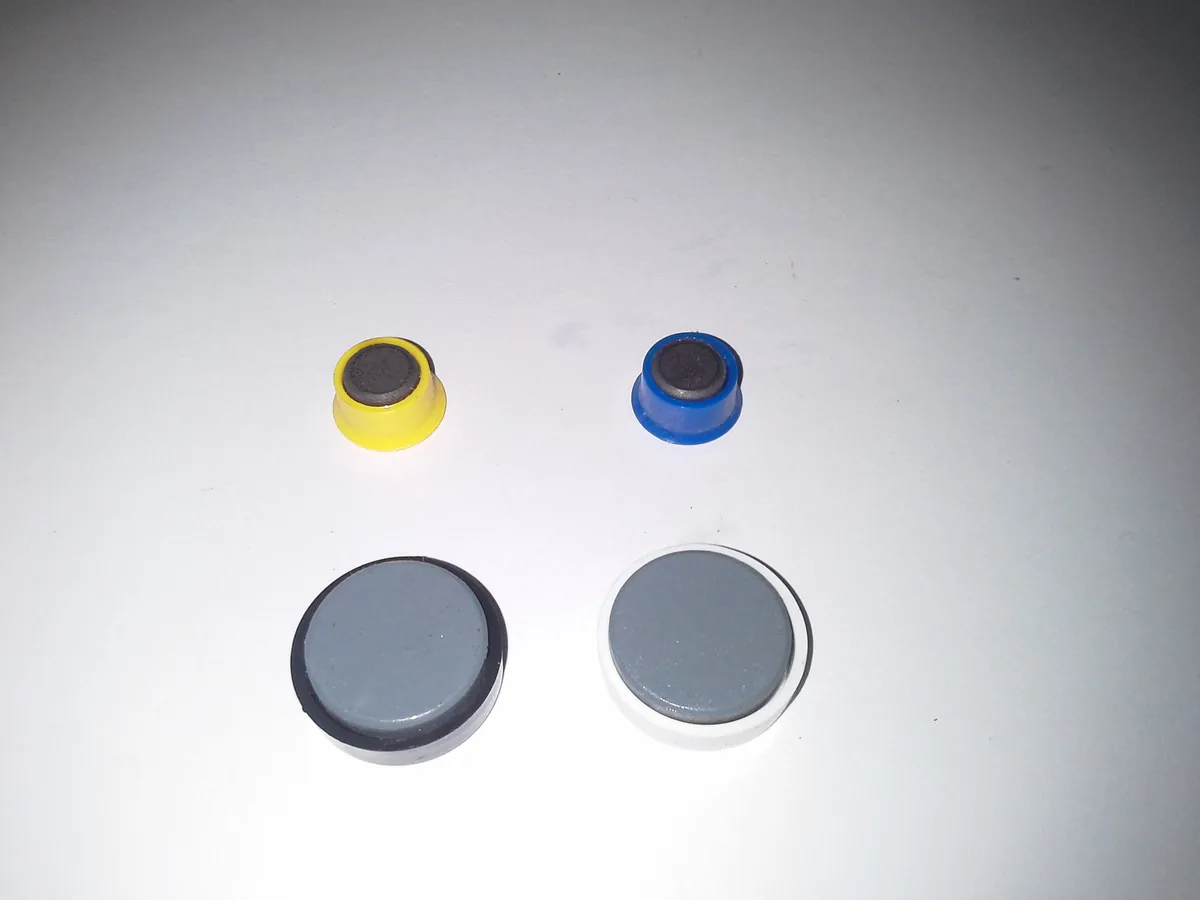
Justforjoyful Farm Animals Refrigerator Magnets are under a U.S. recall because they contain lead and phthalates above federal limits. Both substances can harm young children who mouth or swallow them. If you bought a farm-animal magnet set on Amazon.com, check it now.
Fridge magnets can stay in place for years, and a young child may be able to reach them.
The U.S. Consumer Product Safety Commission (CPSC) announced the Justforjoyful refrigerator magnets recall on November 25, 2026, under recall number 27-103. It covers about 1,300 sets of Justforjoyful Farm Animals Refrigerator Magnets, Model JJ0212.
Each set has 24 multi-colored rubber magnets depicting farm animals, farm-related figures, and farm children. Each magnet has a fully magnetic backing. The model number is printed on the outer polybag packaging.
The sets were sold exclusively online at Amazon.com from September 2024 through July 2025 for about $17. The importer and retailer is Shenzhen Jijia Trading Co., Ltd., doing business as Justforjoyful. The company is based in China, where the magnets were made.
The CPSC says the magnets contain lead above the federal lead content ban and phthalates above the federal phthalates ban. No injuries have been reported.
Parents and caregivers of toddlers who bought these magnets on Amazon between September 2024 and July 2025 may have lead- and phthalate-containing pieces within reach on the fridge. Taking the 24-piece set down right away keeps young children from mouthing toxic substances.
Emailing a photo of the magnets in a sealed bag marked “RECALLED” to the company is how you claim a full refund. The sets sold for about $17.
Lead is a metal that can harm a child’s developing brain and nervous system. Young children are at higher risk because their bodies absorb more of the lead they swallow.
Phthalates are synthetic chemicals added to plastics and certain soft rubber-like materials to make them soft and flexible. Federal law limits lead content in children’s products and restricts certain phthalates in children’s toys and child care articles. The CPSC found these magnets exceeded both federal limits.
A magnet that looks harmless on the fridge can still end up in a child’s mouth. Lead exposure is a concern in other settings too, as seen in lead in U.S. tap water testing.
Children’s products are recalled for many reasons, including the Cipton bike helmet recall covering youth helmets sold at Dick’s and JCPenney.
The model number JJ0212 is printed on the outer polybag packaging. If the bag is gone, check the set itself. It should contain 24 multi-colored rubber magnets depicting farm animals, farm figures, and farm children, each with a fully magnetic backing.
Check your order history as well. The sales window ran from September 2024 through July 2025.
Justforjoyful Refrigerator Magnets Recall: Refund and Disposal Steps
If you own the set, stop using the magnets right away. Put them in a sealed bag marked “RECALLED.” Take a photo of the magnets in the sealed bag, then email it to JustforJoyful@outlook.com to request a full refund.
Once the photo is sent, dispose of the magnets according to local waste disposal requirements. The recall does not ask you to mail the magnets back. Keep the bag closed and out of children’s reach until you dispose of it.
The sales window closed in July 2025. Magnets already in a home stay there after sales end, so owners should act on the recall regardless.
Magnets have drawn CPSC action before. The CHE-US magnet toy recall covered 101,282 stick figures sold on Amazon, and the agency also told parents to throw away magnetic fidget balls sold by a company that refused to recall them.
Why were the magnets recalled? On November 25, 2026, the CPSC recalled about 1,300 sets of Justforjoyful Farm Animals Refrigerator Magnets, Model JJ0212, because they contain levels of lead and phthalates that exceed federal bans. Both substances are toxic to young children.
Stop using the magnets, seal them in a bag marked “RECALLED,” and email photos of them to JustforJoyful@outlook.com for a full refund. Then dispose of them according to local waste disposal requirements.
Anyone who finds a children’s product they believe is unsafe can report it at SaferProducts.gov.