Residential Solar Heat Mortality: Rooftop Panels Cut Extreme-Heat Deaths by 8.5% in Japan
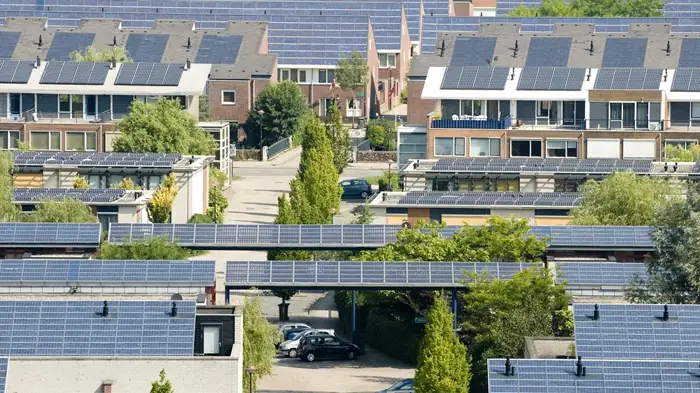
Residential solar heat mortality in Japan fell as rooftop panels spread across the country. A study in Social Science & Medicine reports the finding, and points to a practical way to keep cooling affordable. The paper was conducted by Assistant Professor Yi-Chun Ko of the Asian Growth Research Institute. She worked with Professor Shinsuke Uchida of the Faculty of Policy Studies, Doshisha University. The authors analysed monthly mortality data from 44 prefectures between 2009 and 2014, excluding Iwate, Miyagi and Fukushima. The excess deaths caused by each extremely hot day were estimated to fall by about 8.2% per year across the population. For adults aged 65 and older, the estimated yearly reduction was 8.5%. The paper appeared online on 12 October 2026 and in Volume 410 of the journal in December 2026. Doshisha University released the findings on 19 November 2026 on its research news page.
“Air conditioning protects people during extreme heat, but only if households can afford to run it,” Professor Uchida said. The researchers’ proposed mechanism is that panels make cooling more affordable. Prefectures with more solar installations bought less grid electricity on hot days. Rooftop solar generates the most power during maximum solar irradiance. That peak overlaps with the hottest part of the afternoon.
The study uses the 2011 Great East Japan Earthquake as a natural experiment. Nuclear plant shutdowns led to electricity price increases of up to 38%. The researchers combined long-term regional differences in solar radiation with lagged regional electricity prices. They used that pairing in an instrumental-variable strategy inside a two-stage least-squares framework. Sunnier areas make panels more productive, while higher prices raise the savings from self-generated power. The data also included high-resolution weather records and official residential solar PV installation records.
The protective effects were stronger in warmer prefectures. They were also stronger where post-2011 electricity price spikes were higher and where energy conservation targets were stricter. The effect was concentrated in cardiovascular mortality. The researchers found no clear effect on accident-related deaths. They found no comparable effect at cold temperatures either. A placebo analysis supported their interpretation. The findings come from a period of unusually sharp electricity price increases in Japan. The release notes similar conditions can follow other energy price shocks, such as those after the Russia-Ukraine conflict.


Latest from Energy
UK Rooftop Solar Record: 270,000+ Installations in 2026
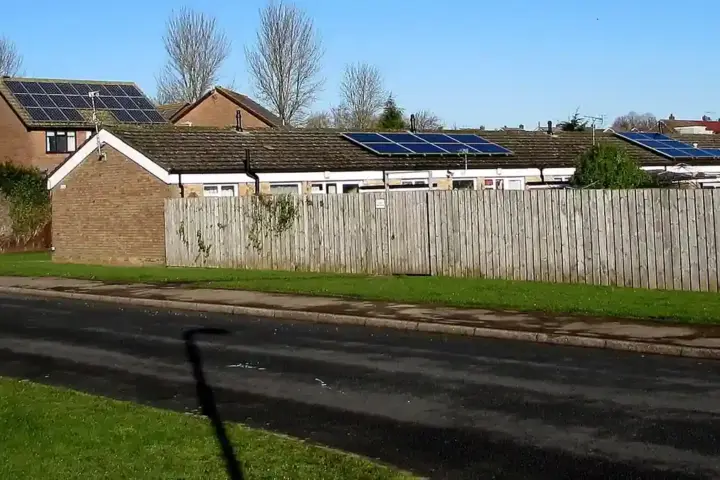
For UK households weighing solar panels, new figures show rooftop solar installations are rising across homes, shops and community buildings. MCS data published on November 20 says the country passed 270,000 certified
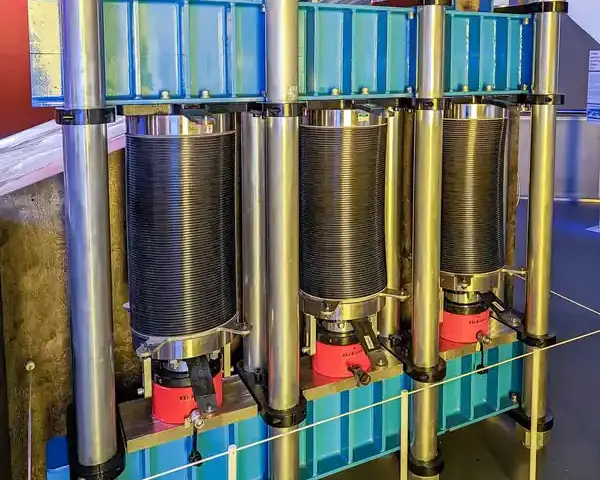
Alkaline Water Electrolyzer Durability: 1,000-Hour Test Finds 5 Iron Triggers
Green hydrogen producers need electrolyzers that can run for long periods without costly maintenance. Trace iron in alkaline water electrolyzers can improve nickel-based anode activity, but it can also form metal branches
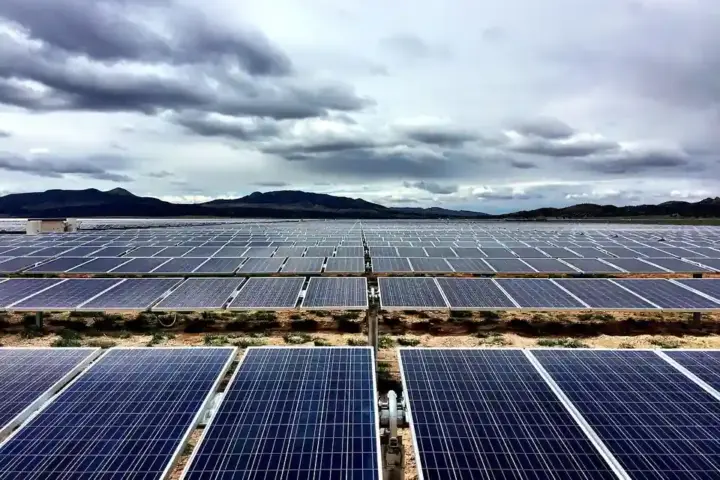
US Solar Module Prices Jump 35% Ahead of Dec. 4 Tariff Floor
US solar module prices are reshaping procurement for developers and installers pricing projects for late 2026. Imported modules and products that may help projects qualify for domestic-content incentives now sit much closer
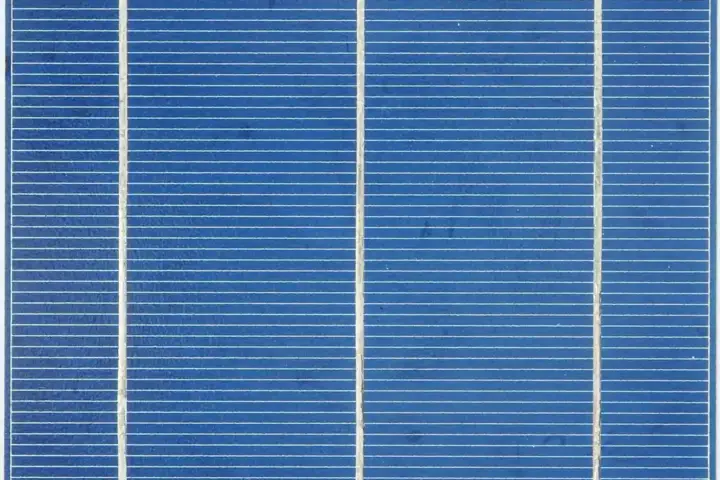
Tesla Seeks Tax Break for $3.1B Nueces County Polysilicon Refinery
Tesla’s proposed Nueces County polysilicon refinery could add a domestic source of solar-grade polysilicon for high-efficiency solar cells. For US solar manufacturers, the plan comes as new federal import rules are due
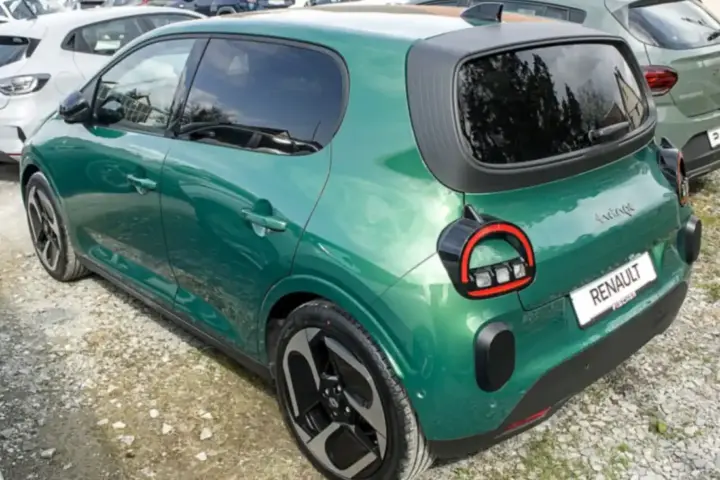
Renault Twingo E-Tech price starts at £14,745 in the UK after grant
UK drivers considering a new electric car may be drawn to the Renault Twingo E-Tech‘s £14,745 starting price. The Evolution trim is listed at that price after the full £3,750 Electric Car
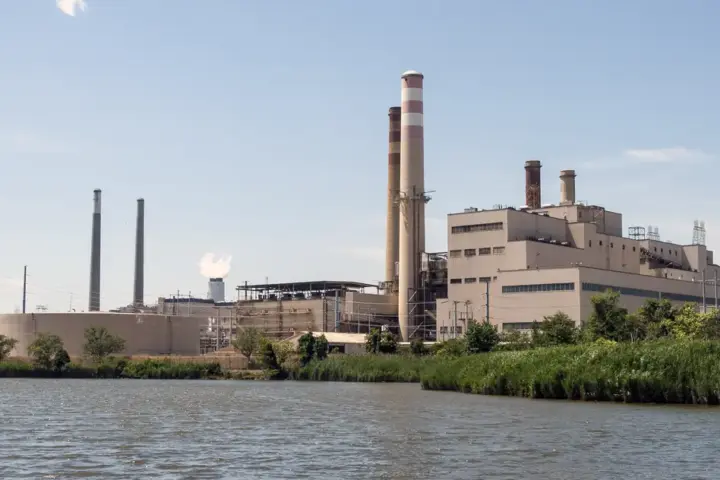
Wagner Unit 4 Order Extended by DOE for PJM Grid
The Wagner Unit 4 order now runs through December 31. For households and businesses across the Mid-Atlantic and parts of the Midwest, winter power reliability depends on whether the grid can meet
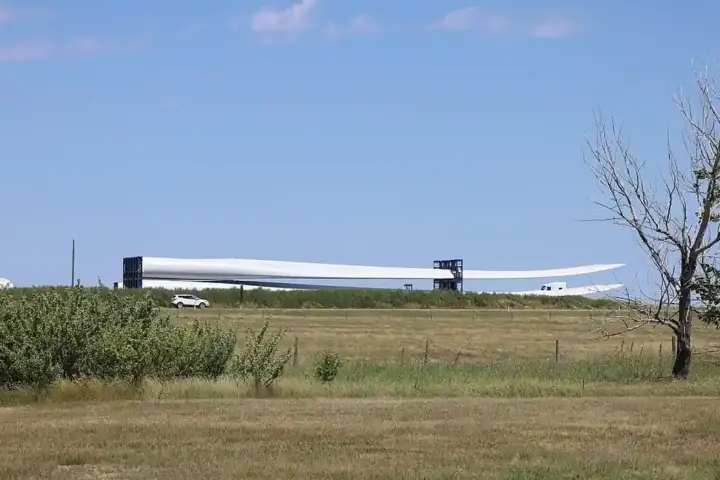
Wind-Turbine Loads Face 278km Detour at Queensland Bridge
Oversized wind-turbine components travelling through Queensland’s Western Downs can face a 278-kilometre detour because of restrictions at Dogwood Creek Bridge near Miles, the Australian Financial Review reported. The bridge is on the
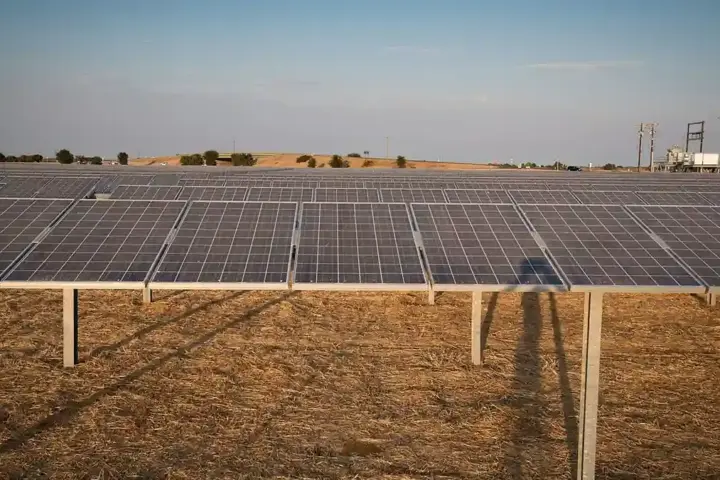
Tazewell County Approves Mackinaw Solar Project; Battery Proposal Delayed
The Tazewell County Board approved a conditional special-use permit for Mackinaw Solar on 18 November, according to local reporting and the county board agenda. The project is planned as a 500-megawatt solar
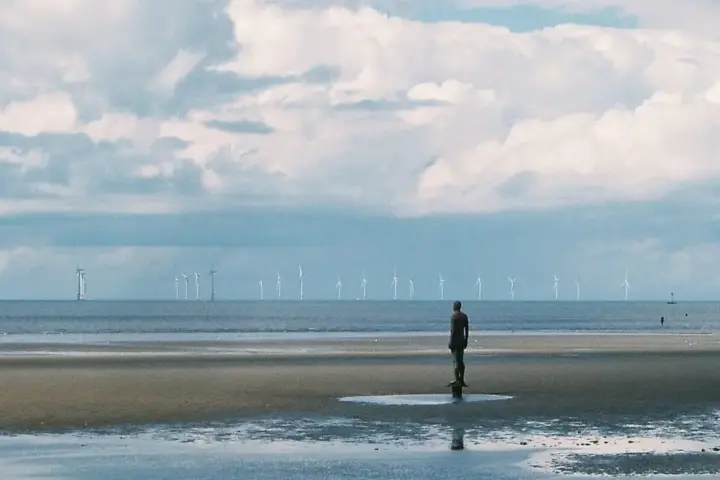
UK Allocation Round 8 Renewables Auction Sets an Initial Notional Budget of £1
UK households watching energy costs may wonder what a renewables auction with a £1 budget can actually buy. The UK government says the figure is an initial notional budget for each of
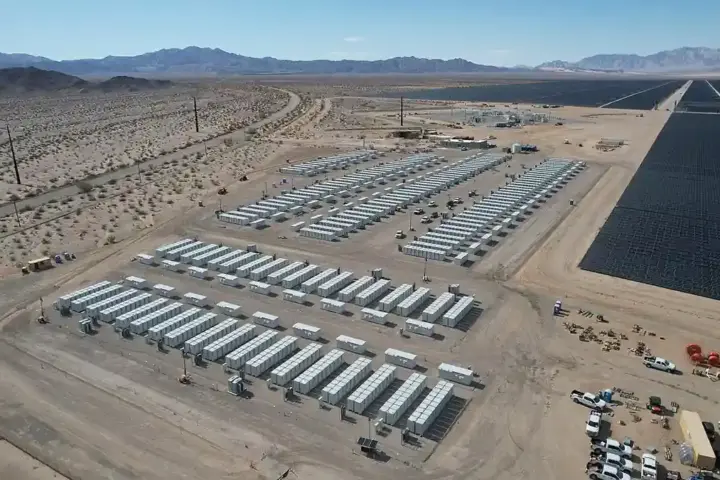
Sonnen Australia Enters Administration After Shell Exit, Leaving Battery Customers Uncertain
Two announcements arriving within weeks of each other have drawn a sharp line through Australia’s battery storage sector—one that marks the collapse of a residential pioneer, the other a major international player
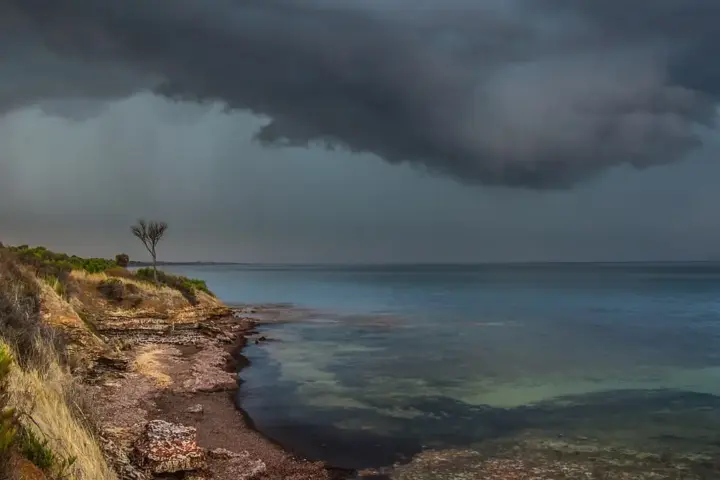
Eyre Peninsula Blackout: Storm Collapses Transmission Towers, 24,000 Homes Without Power
A violent supercell storm tore through South Australia on Wednesday night, flattening multiple 25 to 30-metre steel transmission towers and plunging around 24,000 homes and businesses across the Eyre Peninsula into darkness.
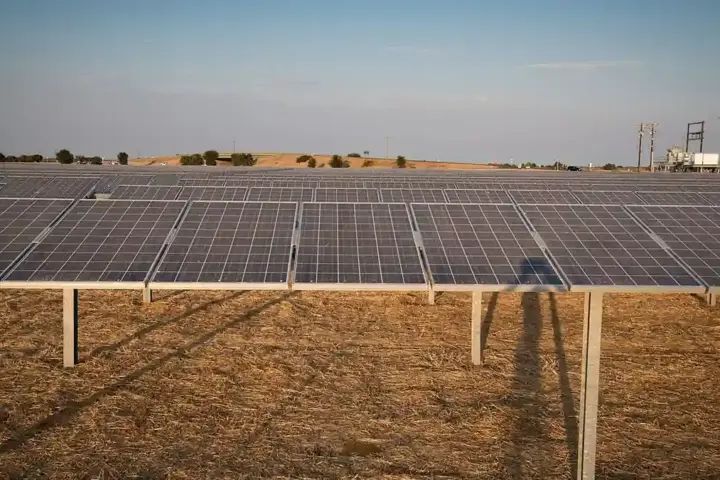
Heron Power Says Intersect Has Reserved 1.5 GW of California-Made Converters
If you build solar farms or plan power for data centers, the hardware that turns panel power into grid power has to be secured early. Heron Power says Intersect has reserved 1.5
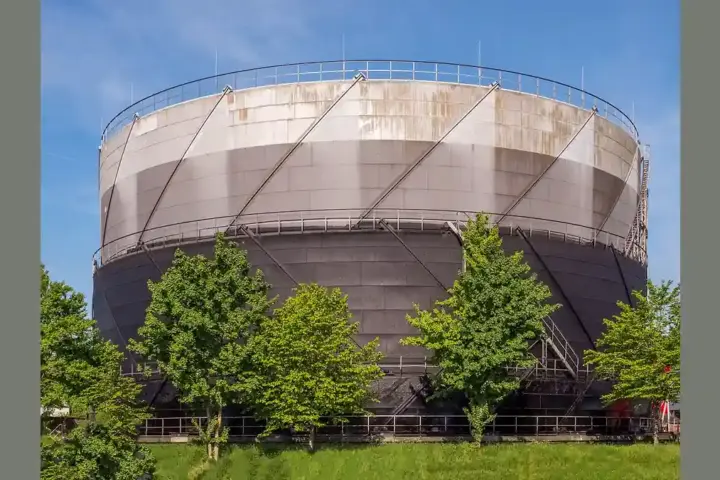
SSE to Close Atwick Gas Storage Site From Summer 2027 Unless Ministers Act
Will Britain have enough gas in store when the cold arrives? That question got harder on 18 November 2026. SSE has said it plans to close a major storage site on the
Australia’s Clean Energy Regulator Suspends Solar Power Nation From Rebate Scheme
If you paid Solar Power Nation for a solar installation and nothing has been arranged, here is what you need to know. Australia’s Clean Energy Regulator has permanently suspended the company from
Solar Generator for Whole House Backup: 240V Systems, Transfer Switches, and Sizing Guide
The Grid Is Not as Reliable as You Think The U.S. grid lost more than 1.2 billion customer-hours of power in 2023, according to the EIA. That number has climbed every year