Rahul Somvanshi
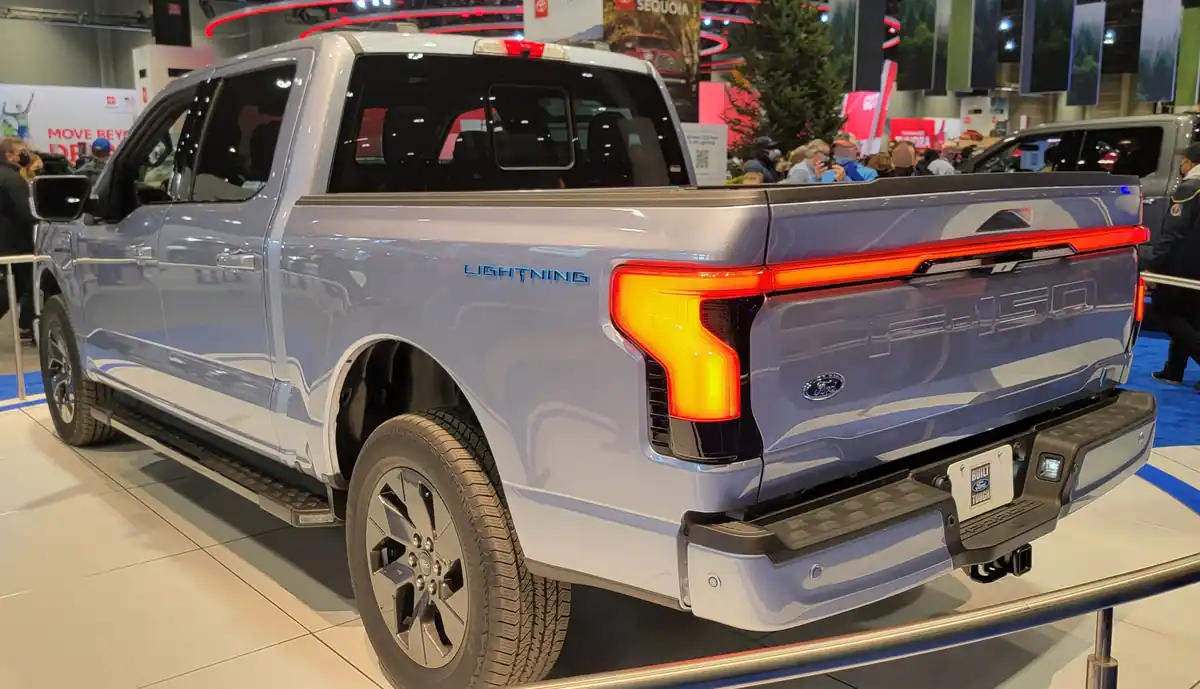
American homeowners have long faced a stark choice: spend $10,000 or more on a dedicated home battery, or absorb $6,515 in wall hardware just to enable bidirectional charging on an F-150 Lightning. Ford’s forthcoming Fathom pickup, priced under $30,000, is expected to cut that hardware cost by 60 percent — made possible by an inverter already built into the truck.
The Ford Fathom EV carries a $28,350 base MSRP plus a $1,595 destination charge, landing at $29,945 total — making it the first U.S. electric vehicle under $30,000 with a factory-integrated bidirectional inverter. That onboard “E-box” converts the battery’s DC power to 10 kW of AC output inside the truck, meaning the wall side requires only a Home Power Station (projected at ~$655) and a Home Backup Power Panel (~$2,082) — a combined hardware outlay of roughly $2,255 to $2,737. Production is planned for early 2027 at Ford’s Louisville Assembly Plant, built on the new UEV platform as a 2028 model year vehicle.
| Component | F-150 Lightning | Ford Fathom (Projected) |
|—|—|—|
| Vehicle Base Price | ~$50,000+ | $28,350 |
| Wall Inverter Hardware | $1,310 (Charge Station Pro) | ~$655 (Home Power Station) |
| Home Integration Panel | $5,205 (Home Integration System) | ~$2,082 (Home Backup Power Panel) |
| Total Hardware | $6,515 | ~$2,255–$2,737 |
| Combined Entry (Vehicle + Hardware) | ~$70,000+ | ~$32,200–$32,682 |
For U.S. homeowners weighing a dedicated home battery against an electric vehicle, the Ford Fathom drops the entry price of whole-home EV backup from roughly $70,000+ (with an F-150 Lightning) to about $32,200–$32,682 before installation. However, actual savings depend on three hidden variables: electrician labor, whether your utility is part of Ford’s fast-track interconnection group, and the monthly cost of Ford’s mandatory Home Power Station subscription.
The Fathom’s E-box inverter is engineered to UL 1741 safety standards and IEEE 1547 utility interconnection requirements — the two certifications utilities demand before permitting residential grid export. Ford has assembled a five-utility working group, including PG&E and AEP, aimed at fast-tracking interconnection approvals so Fathom owners avoid the standard 6-to-18-month wait. Beyond storm backup, households in participating service territories are positioned for peak-rate arbitrage: storing lower-cost overnight energy and exporting surplus during high-price afternoon windows. The grid policy context behind this kind of [bidirectional EV charging and V2H infrastructure](https://www.karmactive.com/bidirectional-ev-charging-v2g-grid-resilience/) has been covered in depth here previously, and Ford’s five-utility coalition mirrors the interconnection frameworks taking shape alongside broader [domestic EV battery manufacturing investment](https://www.karmactive.com/us-ev-battery-manufacturing-investment/).
Two cost factors remain unpriced as of the October 2026 announcement. Ford has confirmed that the Home Power Station requires an active subscription plan for smart energy management, but no monthly or annual figure has been disclosed. The Section 30C federal tax credit — which had offered 30 percent back on home charger hardware up to $1,000 — expired June 30, 2026, removing a subsidy that would have offset part of the wall installation cost for early buyers.
**How much does the Ford Fathom EV home backup system cost?**
Ford expects the Fathom’s required Home Power Station and Home Backup Power Panel to cost roughly $2,255 to $2,737 combined — down from $6,515 for the F-150 Lightning’s system. Including the truck’s $28,350 base price and $1,595 delivery fee, the complete truck-and-backup package starts around $32,200 to $32,682 before installation and subscription fees.
Ford Fathom production is targeted for early 2027 at the Louisville Assembly Plant, with 2028 model year availability. Subscription pricing for the Home Power Station and professional installation cost estimates are expected to be announced in the months ahead of production. Those two figures are among the most consequential disclosures pending for buyers who are currently comparing the Fathom against standalone home battery alternatives.