 Govind Tekale
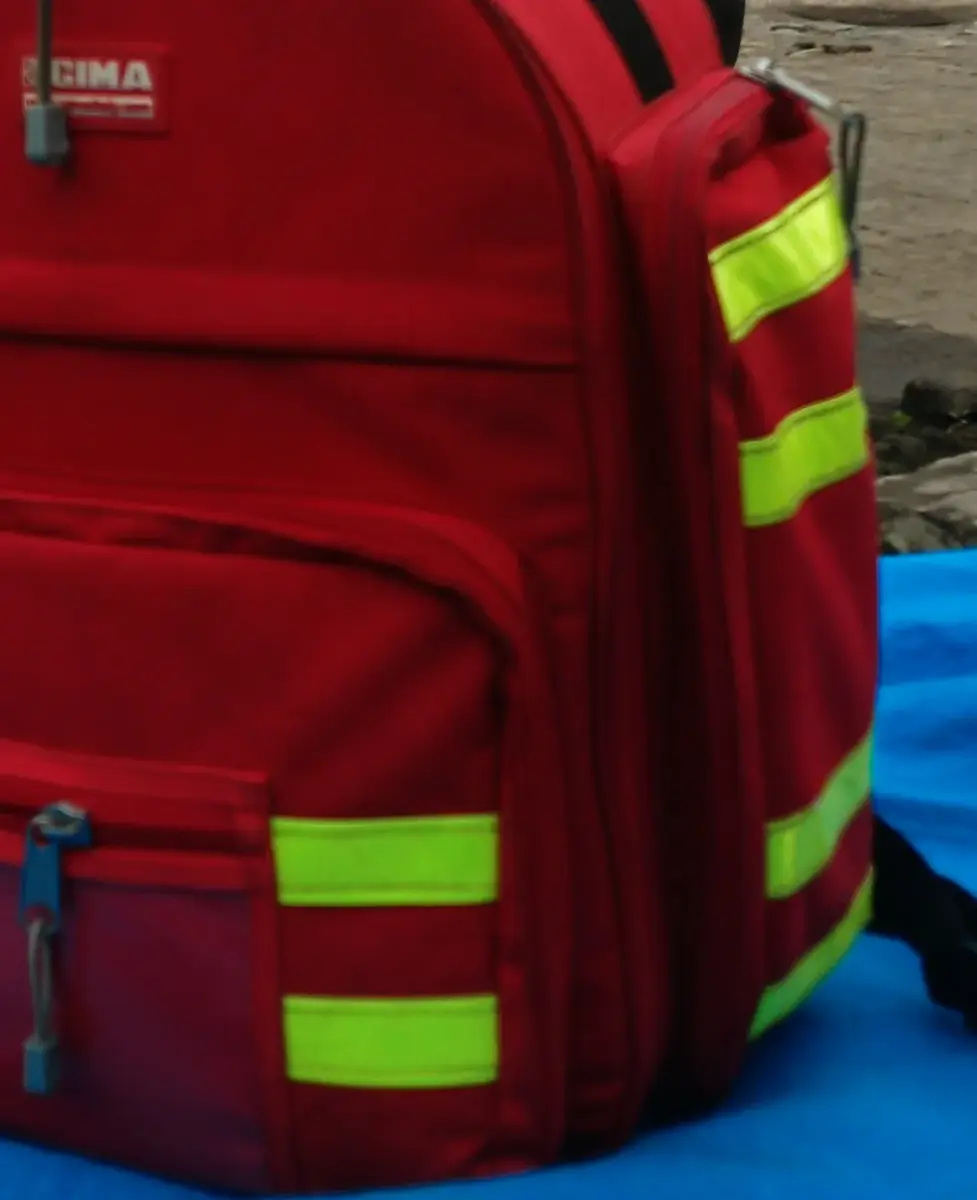
If you have been seeing calls to stockpile food and water, you are not alone. This week, FEMA, a prominent US commentator, and the UK government all pushed emergency preparedness messages. They are not all saying the same thing — and the source matters.
FEMA — the Federal Emergency Management Agency — posted a message on October 31 urging the public to prepare for emergencies. The post showed a man holding a flashlight in the dark. Its caption: “Don’t be scared, be prepared.” FEMA’s Halloween emergency plan post links to the agency’s ready.gov guidance, which is the federal standard for household preparedness. That standard calls for a 72-hour supply of water, food, medication, and key documents, along with a written household communication and evacuation plan.
The post arrived as separate voices have been pushing harder on emergency readiness. Former FBI Deputy Director Dan Bongino has urged his podcast audience to build household stockpiles well beyond the federal baseline. The UK government launched a preparedness campaign last week. For Americans deciding how much to prepare, the credibility and basis of those different messages matters.
What Bongino Said and What FEMA Actually Recommends
Dan Bongino — former FBI Deputy Director and political commentator — encouraged his podcast listeners to stock up on food, water, an emergency radio, batteries, and water filtration tablets. He framed the urgency with specific claims: “The Pentagon is preparing every major US military base to survive 90 days without outside support.” He added: “Make Fortress America. You have to make Fortress My House, Fortress My Apartment.” a home emergency-preparedness supplies list
The “90 days” Pentagon claim and the assertion that Russian cyberattacks pose an imminent threat to US infrastructure are Bongino’s own statements. Karmactive has not independently verified them. They are not part of any public announcement from FEMA or the US Department of Defense at the time of writing. FEMA’s official guidance does not reference specific adversaries or military timelines.
FEMA’s ready.gov standard recommends a household kit covering 72 hours per person. That means one gallon of water per person per day and a three-day supply of non-perishable food. A battery-powered or hand-crank radio, a flashlight, a first-aid kit, and extra batteries are also on the list. So are a whistle, a dust mask, plastic sheeting, moist towelettes, garbage bags, basic tools, a manual can opener, local maps, and a phone charger. FEMA also recommends a written plan covering where to shelter, how to communicate, and where to meet if family members are separated. the FEMA 72-hour emergency-kit checklist
The UK’s “Be Ready” campaign, launched last week, advised British residents to keep at least 72 hours of water and food on hand. The campaign cited “state-sponsored terrorism” from Russia and a climate crisis as reasons for the push. The UK campaign carries no authority in the United States, but the 72-hour supply guidance matches FEMA’s standard. The UK campaign also cited climate-related emergencies as a driver — an area where FEMA has separately highlighted growing preparedness needs. international emergency-preparedness campaigns
What should a 72-hour emergency kit include? FEMA’s ready.gov resource recommends water at one gallon per person per day for three days and a three-day supply of non-perishable food. A battery-powered radio, flashlight, first-aid kit, and copies of important documents round out the core kit. A written household plan should cover shelter options, communication methods, and evacuation routes. FEMA’s guidance is the federal standard. It does not require any specific threat to justify having these basics in place.
FEMA’s Halloween post did not name specific threats or adversaries. It pointed to the agency’s existing preparedness resources. The 72-hour kit it recommends is the same advice FEMA has offered for years — useful whether the risk is a hurricane, a winter storm, or a power outage, regardless of what any commentator says about the scale of the threat.