Rahul Somvanshi
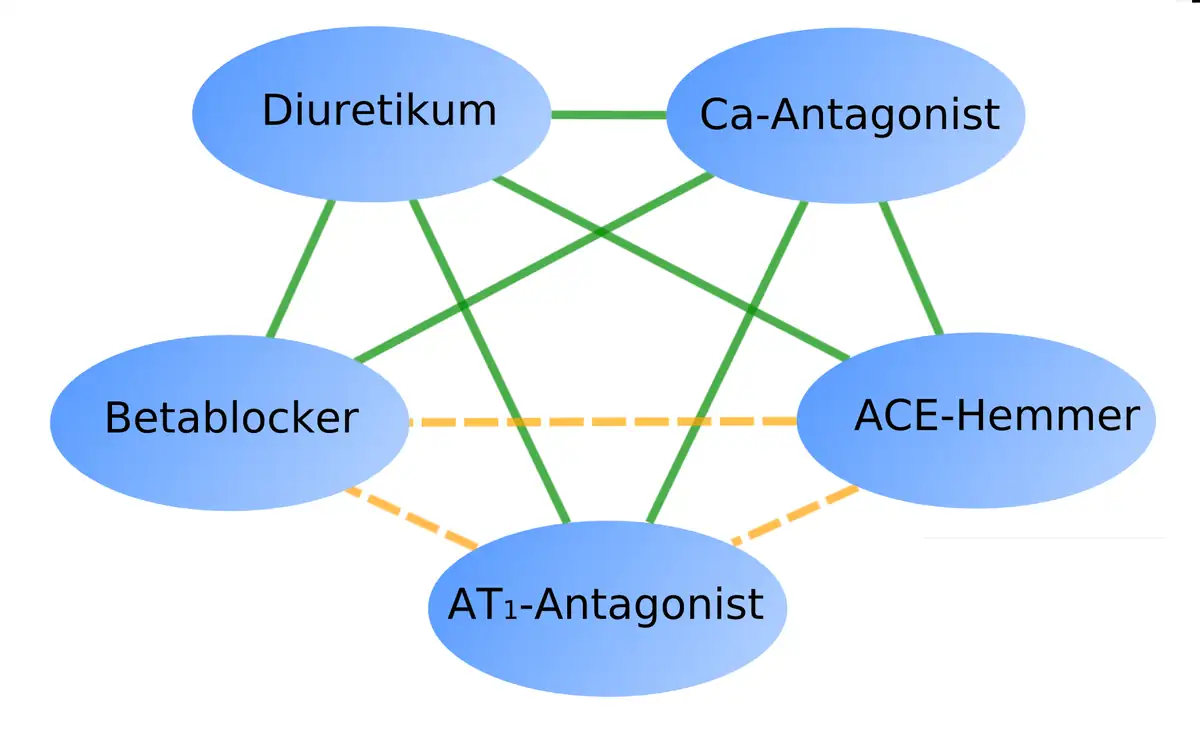
More than 25,000 bottles of a widely used blood pressure medication have been removed from pharmacy shelves across the United States after federal regulators issued a Class II recall. The U.S. Food and Drug Administration has formally classified the action against Chlorthalidone Tablets USP, 25 mg, distributed by Rising Pharma Holdings — a recall affecting patients who rely on this diuretic daily to manage chronic hypertension and reduce cardiovascular risk.
The affected tablets are light yellow, round, and carry the imprint “103” stamped on the face. Two National Drug Code numbers are covered by the chlorthalidone recall: NDC 64980-599-01 applies to 100-count bottles, while NDC 64980-599-10 identifies 1,000-count bulk packaging. Three lot numbers fall under the enforcement action — RISA24001 (100-count), RISA24002 (100-count), and RISB24002 (1,000-count) — all expiring in April 2027. The product was manufactured by Inventia Healthcare and distributed under the Rising Pharma Holdings label. FDA Enforcement Reports D-0610-2026 and D-0852-2026 document the two separate recall actions, covering a combined total of 25,027 bottles distributed nationwide.
If your prescription contains recalled tablets from Rising Pharma, your body may absorb insufficient medication to control blood pressure levels. However, stopping blood pressure pills abruptly carries serious rebound hypertension risks. Check your pill imprint for “103” and your pharmacy label for NDC 64980-599. Call your dispensing pharmacy immediately for a replacement lot before skipping any scheduled daily dose.
Laboratory analysis underlying the rising pharma chlorthalidone recall identified failures on two independent quality measures. Dissolution testing — which determines how efficiently a tablet breaks down and releases its active compound in the body — produced a rate of 78 percent, short of the mandated 80 percent specification. Potency testing placed the active ingredient content at 91.5 percent, just below the required 92 percent minimum. Under FDA definitions, Class II status is assigned when a product may cause temporary or medically reversible consequences rather than immediate severe harm. For patients who take chlorthalidone daily to keep arterial pressure within a safe range, though, even marginal under-dosing compounded over weeks can allow blood pressure to rise incrementally — a pattern that often goes undetected until a clinical event occurs. The dual specification failures point to a manufacturing consistency issue at the point of tablet production.
**Can I stop taking recalled chlorthalidone immediately?**
No. Never discontinue blood pressure medication without a doctor’s guidance. Abrupt cessation can cause sudden, dangerous spikes in blood pressure. Contact your pharmacy immediately; a pharmacist can look up your lot number and provide an unaffected replacement or alternate diuretic without interrupting your treatment.
Patients holding any of the three recalled lot numbers are advised to return bottles to the dispensing pharmacy for a replacement from an unaffected batch. Questions about the recall may be directed to Rising Pharma Holdings, and adverse events or quality concerns may be submitted to the FDA’s MedWatch program online or at 1-800-FDA-1088. Coverage of related [FDA drug safety enforcement actions](https://www.karmactive.com/fda-drug-recalls/) and guidance on [managing blood pressure medication safely](https://www.karmactive.com/blood-pressure-medication-guide/) are available in prior reporting on this site. No confirmed patient injuries tied to these lots had been reported at the time of publication.