 Tejal Somvanshi
Nigeria Ebola Patient Evacuated to Switzerland as Investigators Probe Entebbe Airport Link
Is Ebola spreading in Nigeria? Officials have confirmed one case, a woman who has been evacuated to Switzerland, and the US Embassy in Abuja has issued a health alert. The bigger puzzle is how she was infected, since Swiss officials say she had not visited the outbreak zone in Congo. If you live in or travel through Abuja, here is what matters right now.
The Nigeria Ebola patient, a 42-year-old woman and the wife of a Swiss embassy staff member in Abuja, tested positive after returning to Abuja from Uganda. Nigeria reported the case on October 20, its first confirmed Ebola case in this outbreak. Africa CDC says the first patients in Nigeria and Kenya both traveled through Entebbe International Airport on October 3. Symptoms began on October 7. On October 11, she sought medical care at a private health facility in Abuja. She was medically evacuated by air to Switzerland on October 26. Geneva University Hospital said she was in stable condition. Ebola spreads through contact with the body fluids of an infected person. The US Embassy in Abuja issued a health alert on October 20, asking returning travelers to monitor their health for 21 days.
Nigeria’s health ministry says the country has no active Ebola cases after the patient’s evacuation. Health authorities are monitoring more than 50 contacts, according to reports. Ebola symptoms can take up to 21 days to appear, which is why the embassy asked travelers to monitor their health for that long.
The Nigeria Ebola Patient and the October 3 Entebbe Airport Link
Swiss officials say she had not visited Congo and believe she was infected while traveling in Uganda with her husband. Africa CDC says the first patients in Nigeria and Kenya both traveled through Entebbe on October 3. Investigators have not confirmed where she was infected, so the airport link remains a hypothesis.
The key open question is where she was exposed. Swiss officials believe she was infected while traveling in Uganda, but no official source has confirmed the transmission point.
Frequently asked questions
How did the patient in Nigeria get Ebola after traveling in Uganda? Investigators have not confirmed where she was infected. Swiss officials say she was believed to have been infected while traveling in Uganda with her husband. Africa CDC says the first patients in Nigeria and Kenya both traveled through Entebbe International Airport on October 3, which is a lead rather than a confirmed finding.
Are there any other confirmed Ebola cases in Nigeria right now? Not as of the reports reviewed. The one confirmed case was evacuated to Switzerland on October 26. Nigeria’s health ministry says there are no active cases after her evacuation, and more than 50 contacts are being monitored.
What did the US Embassy in Abuja say in its Ebola health alert? The embassy’s health alert, issued October 20, asked travelers returning from Ebola outbreak areas to monitor their health for 21 days and to alert a doctor before seeking care.
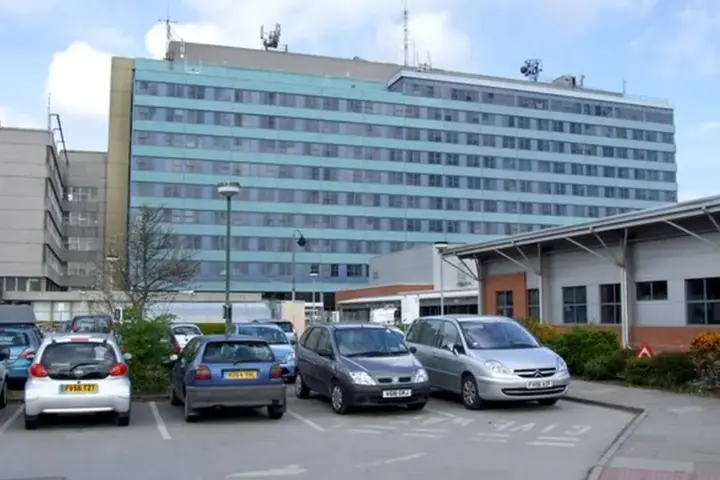
Health authorities are following up the known contacts. The patient is being treated at Geneva University Hospital, and her husband is in isolation at Zurich University Hospital. We will update this story if a new case is reported in Nigeria or along the Entebbe travel route. Check back for updates.
\———————————————————————————————–
\———————————————————————————————–
## How to Log Into WordPress REST API — Step by Step
### What We Used: \*\*Application Password Authentication\*\*
\—
### Step 1: Get the Credentials
From the Pipeline file (\`Karmactive Pipeline.md\`), the credentials are:
\- \*\*Username\*\*: \`Sunita Somvanshi\`
\- \*\*Application Password\*\*: \`Tw8Q Khc9 8KxU 5L4O 3Q0s 0w6J\` (remove spaces → \`Tw8QKhc98KxU5L4O3Q0s0w6J\`)
> Application Passwords are created in WordPress Admin → \*\*Users → Profile → Application Passwords\*\* section. They’re separate from the login password and designed for API access.