Tejal Somvanshi
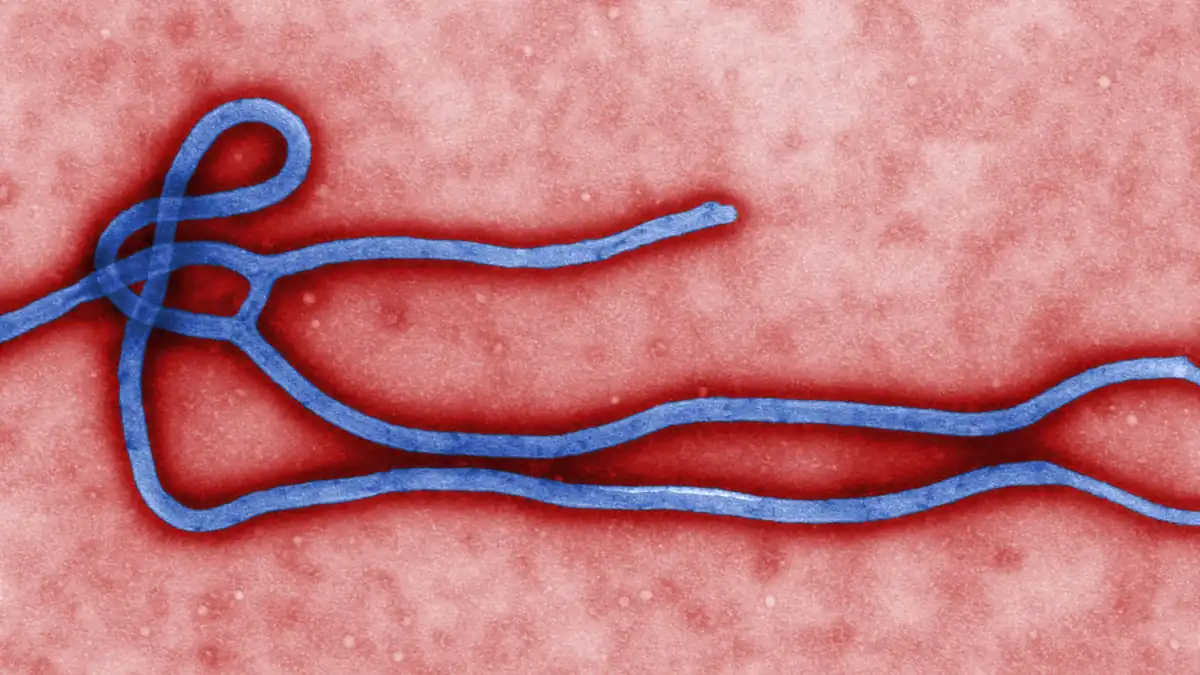
The Democratic Republic of Congo's Ebola outbreak passed a grim threshold on October 27, with the government's public health institute reporting 10,060 confirmed infections and 4,887 deaths. It is the fastest-growing Ebola outbreak ever recorded, and the core reason it spread this quickly is that none of the world's existing approved Ebola vaccines were designed to fight it.
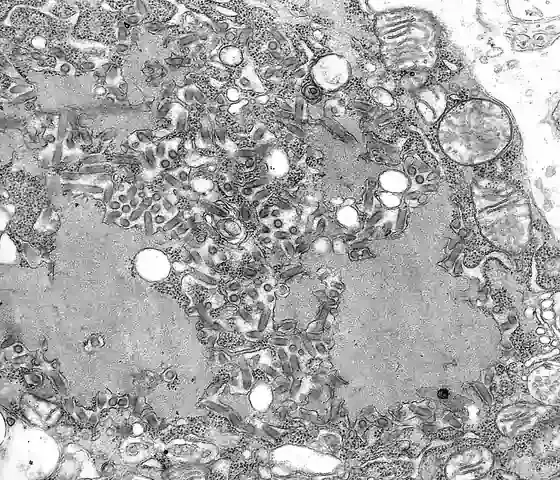
This outbreak is caused by the Bundibugyo virus, a distinct species within the broader Ebola family. The only vaccines in approved stockpiles — including the widely deployed Ervebo shot used effectively in previous DRC outbreaks — were designed specifically for the Zaire ebolavirus species. Against Bundibugyo, they have not been shown to be effective. That gap removed the primary containment tool responders have relied on for the past decade.
The numbers reflect the difference clearly. In 2018, DR Congo's Zaire-strain outbreak took 235 days from response activation to reach 1,000 confirmed cases. The 2026 Bundibugyo outbreak hit the same mark in 40 days. It is now the second-largest Ebola outbreak in history, surpassed only by the West African epidemic of 2014 to 2016, which recorded more than 28,600 cases.
Bundibugyo cases are also harder to identify early. Initial symptoms — fever, fatigue, body aches — closely resemble malaria, which is prevalent across the affected region. Ebola is not typically transmitted during the incubation period before symptoms appear; patients become infectious once they begin showing symptoms, but cases may go undetected for days during that symptomatic window before isolation protocols are triggered.
The outbreak has spread beyond DR Congo's borders. Uganda recorded 20 confirmed cases before being declared Ebola-free in August 2026, and has since reimposed a 21-day mandatory quarantine for travelers returning from the DRC as a precautionary measure. Kenya has now reported at least two deaths and multiple cases, all linked to travel through Uganda, with authorities saying there is no evidence of community spread. In Nigeria, Swiss authorities are investigating a case involving the wife of a Swiss diplomat who was diagnosed there; both she and her husband were transported to Swiss hospitals. Swiss investigators are examining how she contracted the virus, as her travel history does not include the DRC. As of October 26, the U.S. Centers for Disease Control and Prevention confirms zero domestic cases in the United States, with the risk of spread to the US remaining very low.
This is DR Congo's 17th recorded Ebola outbreak. The country has built substantial institutional response experience over decades. But the lack of an approved vaccine against this strain has stripped the most effective tool from that experience base.
One development offers longer-term hope. The World Health Organization has confirmed that a first clinical trial for a potential Bundibugyo-specific vaccine, called "Tumaini" — meaning "hope" in Swahili — has been launched in Bunia, in the Ituri region. Phase 2/3 trials involve testing safety and effectiveness in a larger human population. This stage typically takes at least a year or more to produce reliable efficacy data, and regulatory approval follows after that. No quick fix is available.
For travelers and aid workers in East and Central Africa: border restrictions are active across the region. Public health authorities recommend avoiding nonessential travel to affected areas in the DRC and following contact tracing guidance if returning from those zones.