 Govind Tekale
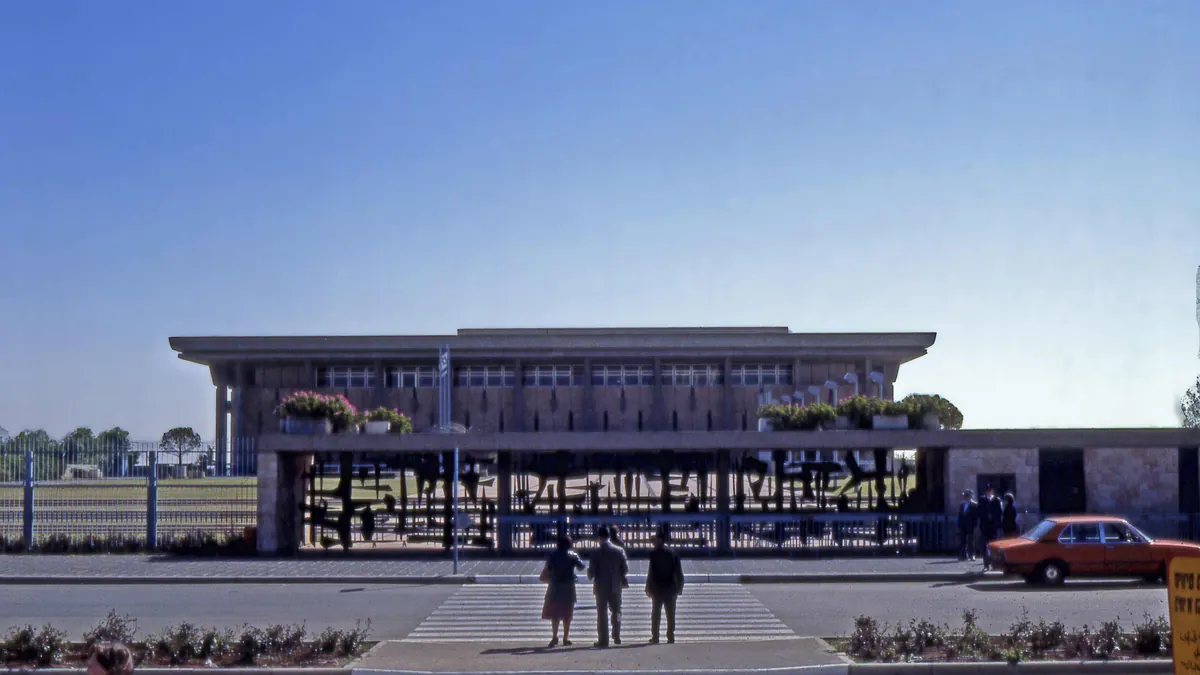
Israelis are voting today in the first national Knesset election since the October 7, 2023 attacks. Polling stations across the country opened at 7:00 AM and close at 10:00 PM local time on October 27, 2026. There are 120 seats at stake, and tonight's exit poll numbers — whenever they drop — will not tell you who the next prime minister is.
The main contest runs between Prime Minister Benjamin Netanyahu, leading his Likud party, and a centrist opposition anchored by Gadi Eisenkot. Former prime ministers Naftali Bennett and Yair Lapid have formed a cross-spectrum alliance that gives the anti-Netanyahu bloc a more unified structure than in recent elections. The latest polling averages show Likud and Eisenkot's Yashar party running neck and neck at around 22 seats each.
At 10:00 PM local time — 4:00 PM EDT and 8:00 PM GMT — Israeli television networks will publish their first exit poll projections. These are seat estimates, not certified results. They give a directional read on which bloc is ahead, but they have repeatedly failed to capture the final margin in Israeli elections. The reason is structural.
Israel uses a proportional representation system with a 3.25 percent electoral threshold. Any party that does not clear that threshold does not qualify for Knesset seats. Votes cast for those parties are excluded from seat allocation, which can indirectly change the number of seats won by parties that do pass the threshold, in ways that are difficult to model accurately until the full count is in.
The Central Elections Committee has registered 38 separate party slates for this election. One of the newer entries is called "The Reservists," identified on the official ballot by the Hebrew letters דּי, formed specifically to represent soldiers and military families carrying the burden of three continuous years of wartime reserve duty. If several small protest parties, including the Reservists, fall just short of the 3.25 percent threshold after all votes are tallied, it can shift the critical 61-seat majority line between the Netanyahu bloc and the opposition.
The main fault lines in this election are layered. The ultra-Orthodox community's longstanding military draft exemption has become a sharp political wound after three years of intense reserve mobilisation. Ongoing questions about the regional conflict's management, the status of ceasefire negotiations, and international sanctions and diplomatic pressure all sit at the centre of the campaign.
Military and diplomatic ballots — cast by soldiers on active duty and staff at Israeli embassies abroad — are counted separately under a "double-envelope" procedure and take additional days to process. That is one reason the full vote count is not expected until October 30. Official certified results from the Central Elections Committee follow on November 4.
After certification, Israel's president consults with party representatives and formally tasks a Knesset member judged capable of assembling a governing coalition to attempt to form a government. That coalition negotiation process is separate from the vote count itself and can take weeks.
For international readers watching tonight: the first directional signal arrives with exit polls at 4:00 PM EDT and 8:00 PM GMT. Early actual vote tallies begin flowing in over the following hours. A credible picture of which bloc holds the larger share will likely emerge by late evening Eastern time, but the seat count that determines who can form a government will not be confirmed until October 30.