 Govind Tekale
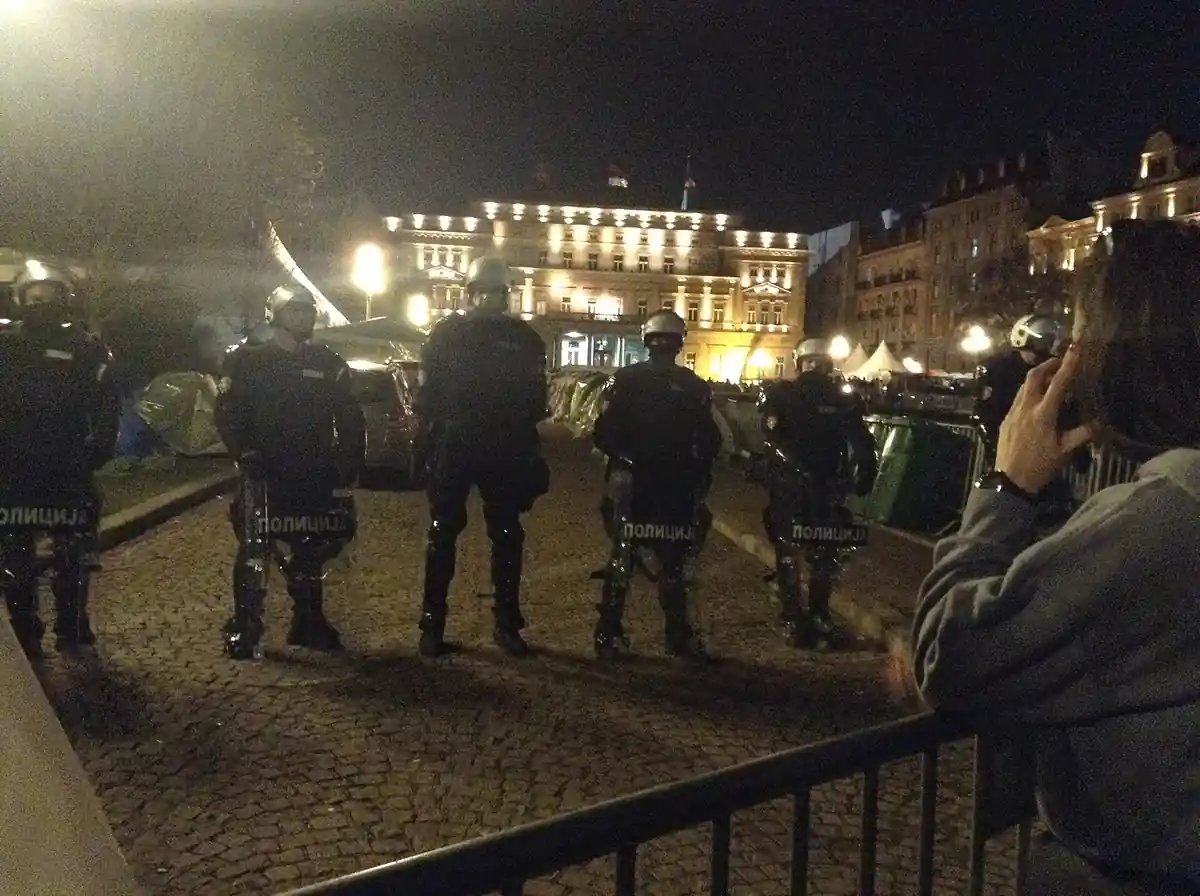
Celebrations filled Belgrade’s streets on Sunday night as Serbia’s Student List, a two-year protest movement operating without a single named leader, won parliamentary elections and immediately confronted the harder work of forming a government. The movement’s victory was decisive; what comes next is not.
The result carried an unusual constitutional complication. Before the election, Vučić had resigned the presidency to run for prime minister—a gamble that backfired when Student List won the most parliamentary seats. Under Serbian law, his resignation triggers a mandatory presidential election that must be held before December 27, 2026. The incoming coalition therefore faces two simultaneous executive appointments inside two months: naming a prime minister through coalition negotiations and fielding a presidential candidate for a second national vote. The Student List ran on a platform of dismantling corrupt institutions rather than resolving Serbia’s EU membership debate or its relationship with Russia, and it must now complete both appointments under a firm deadline.
Despite sweeping out Vučić’s government, Serbia’s incoming Student List coalition will not immediately alter Belgrade’s foreign alignment or sanction Moscow. Spokesperson Jovo Bakić confirmed the movement will freeze divisive EU-Russia debates—preserving Russian natural gas ties and indirect munitions flows—to focus on domestic anti-corruption reforms, judicial overhauls, and preparing for the mandatory December 27 presidential election.
Political analyst Dušan Vučićević summarized the movement’s domestic ambitions bluntly, saying Student List intends to “dismantle every institution” and rebuild Serbian public life from the ground up. That posture drew a guarded response from the Kremlin: spokesperson Dmitry Peskov praised Vučić without extending any congratulations to the incoming coalition. Russia’s interest extends beyond diplomacy. Serbia is an indirect supplier of artillery ammunition to Ukraine through Eastern European intermediary states, making Belgrade’s new leadership a quiet variable in European weapons supply calculations. Bakić sought to reassure Moscow-aligned audiences in an interview with RT Balkan TV, stating the movement would impose no sanctions on Russia—a position Brussels will scrutinize closely as coalition talks progress.
The horizontal, leaderless structure that protected Student List from state repression during two years of protests is now its first constitutional test. A movement that deliberately refuses to name a single figurehead must now produce not one executive appointment but two: a prime minister designate through coalition negotiations, and a presidential candidate ready to contest a mandatory ballot before December 27.
Who is the leader of Serbia’s Student List movement? The Student List intentionally operates as a non-hierarchical, leaderless movement that grew out of two years of university protests across Serbia. While figures like sociologist Jovo Bakić act as public representatives, the group makes decisions collectively and must now nominate a prime minister during upcoming coalition talks.
Formal coalition negotiations are expected to begin within days. Move-Change leader Savo Manojlović, one of the broader protest network’s prominent voices, has signaled that institutional reform will dominate the opening agenda as the December 27 deadline approaches.
For related context, see Karmactive’s earlier coverage and latest explainer.