 Sunita Somvanshi
Rain over eastern Belgium on Monday gave firefighters their first real break in the country’s largest wildfire on record, which had pushed close to the German border. Crews said the blaze in the High Fens nature reserve was no longer spreading toward Germany, though it was far from out.
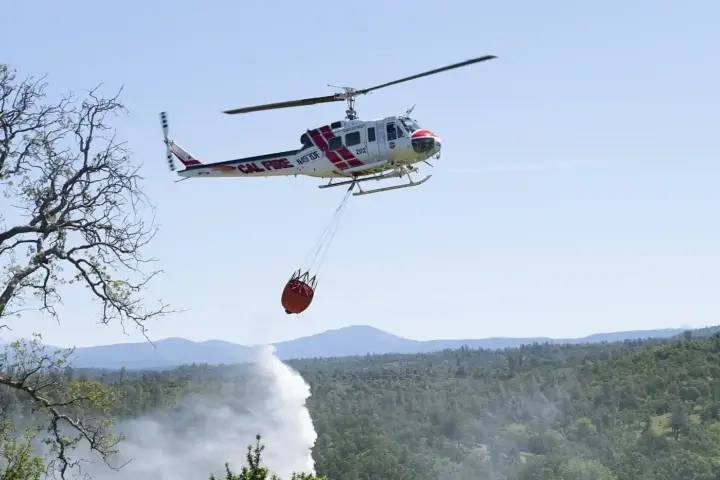
The fire has burned about 3,000 hectares since it began on Friday, surpassing a 2011 blaze of roughly 1,400 hectares as the biggest in Belgian history. Nicolas Yernaux, a spokesperson for the Wallonia regional administration, called it “the biggest ecological disaster in terms of forest fires” the country has seen. Around 500 firefighters from Belgium, Germany and Luxembourg have joined farmers, soldiers and aircraft from the European Union’s emergency reserve.
The fire has reached the reserve’s metres-deep peat bogs, which means it could take months to fully put out. Peat can smoulder underground without flames for long periods, so crews expect to watch the site well into the autumn. Evacuated residents have not been allowed to return home. The peatlands that trap planet-warming carbon are now part of the burn.
Belgium’s fire is one front in a harsh European summer. Data from the European Forest Fire Information System records wildfires have killed over 20 people and burned about 576,000 hectares across the continent this year, an area twice the size of Luxembourg. In Greece, an elderly couple died as flames swept the island of Salamina and 500 people left by ferry. In Spain, firefighters stabilized a fire in Andalusia that had burned nearly 40,000 hectares since August 6, while a blaze near Omis in Croatia forced 1,000 people to flee.
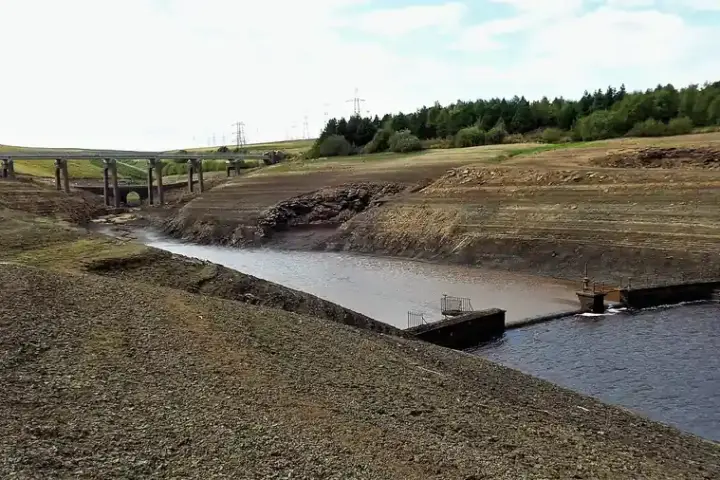
Scientists link the intense season to climate change, as successive heatwaves deepen drought and leave vegetation tinder-dry. Belgian thermometers reached 37 degrees Celsius during the run-up to the fire. About 90 percent of wildfires are started by human activity such as campfires or discarded cigarettes, and Belgian prosecutors have opened an inquiry into what ignited the High Fens blaze. The continent also endured a heatwave that left 135 million people across Europe baking earlier this month.
German crews were still watching a fire front about 1.5 kilometres from homes in the evacuated village of Ruitzhof near the border, though they described the situation as stable. Last year Europe endured its worst fire season on record, with over a million hectares burned, and several countries have already broken their annual marks in 2026.
The High Fens peat makes a clean finish unlikely soon. For now, the rain has bought time, but the burn remains active and the wider European season is far from over.