NOAA El Niño Winter Outlook: 80% Odds of Strong Event Through March 2027, Raising Southeast Rain and Flood Risks
NOAA’s El Niño winter outlook gives the strengthening event roughly an 80% chance of holding at strong to very strong levels through March 2027. That shift matters for the Southeast. Farmers, cattle producers, and homeowners across northern Florida, Georgia, and Alabama face two problems at once. Winter rain could ease the dryness that has hurt forage growth. Yet the same storm track raises the risk of river flooding where the ground is already wet.

Latest from Environment

Homo Erectus Survived in Subtropical Rainforests, Fossil Teeth From China Reveal
Two new studies published together in Nature have recovered fossil teeth proving that Homo erectus both survived and thrived in dense subtropical rainforests — directly challenging a leading theory about why this
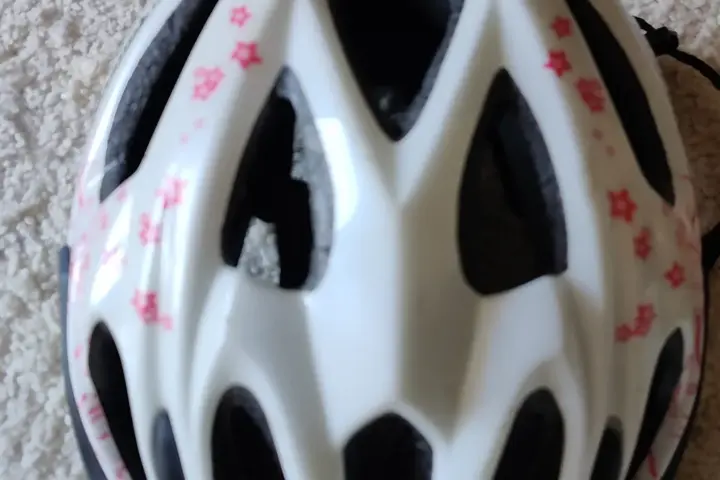
Cipton Bike Helmet Recall: 16,730 Youth Helmets Sold at Dick’s and JCPenney
If your child rides a bike in a white helmet with a built-in LED light strip, check the inside label now. A Cipton bike helmet recall covers 16,730 youth helmets sold at
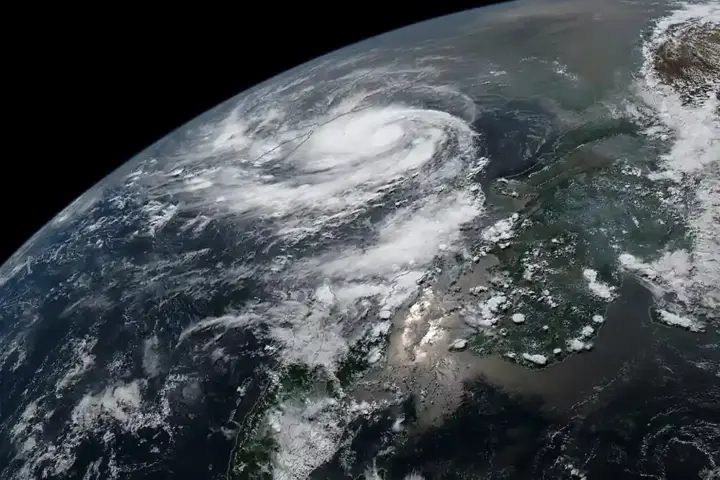
Cyclone Akvan Landfall: IMD Red Alert as 80,000 Evacuated From Andhra and Odisha
Cyclone Akvan is forecast to make landfall along the Andhra Pradesh–Odisha coast around noon on Friday, November 20, packing sustained winds of 90 to 100 kmph and gusts reaching 110 kmph. The
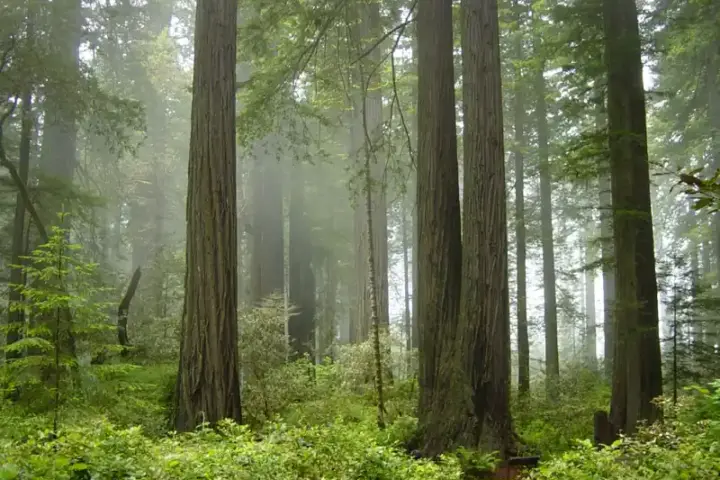
NASA 3D Wildfire Map of California Can Spot Single Trees at 1 Square Meter
If your home sits where California’s forests meet neighborhoods, wildfire risk can depend on details as small as a single tree. On November 18, 2026, NASA published an announcement about a 3D
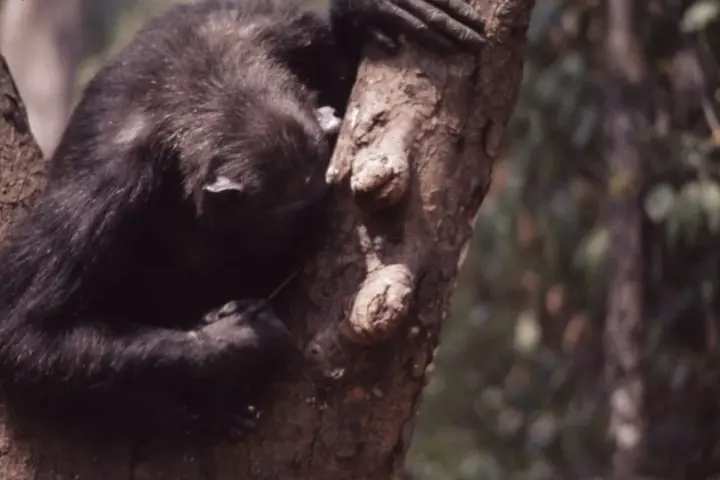
Chimpanzee Tool Use Found 230 km Farther South in Tanzania’s Loasi Forest
Scientists Document Chimpanzee Tool Use About 230 km Farther South in Tanzania’s Loasi Forest Wild chimpanzee tool use in Tanzania’s Loasi Forest Reserve reaches farther south than scientists had recorded. The study
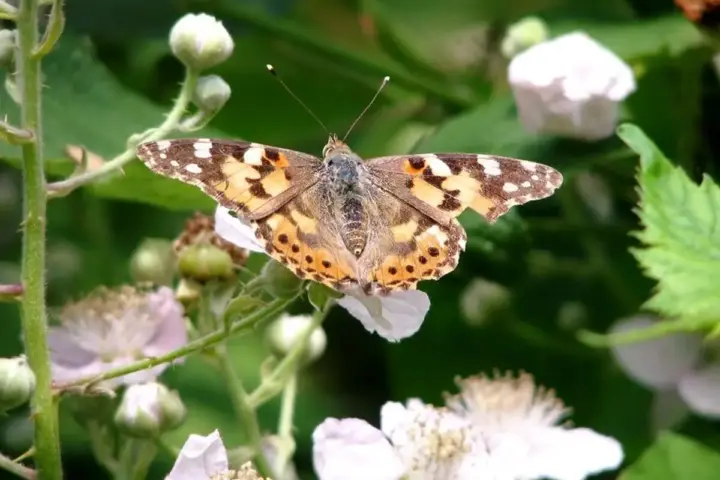
UK Biodiversity Indicators 2026: Wildlife Losses Level Off but 3 of 23 Targets On Track
UK Biodiversity Indicators 2026: Wildlife Declines Unhalted as UK Tracks for Just 3 of 23 National Targets If the birds and butterflies near your home seem less common than they once were,
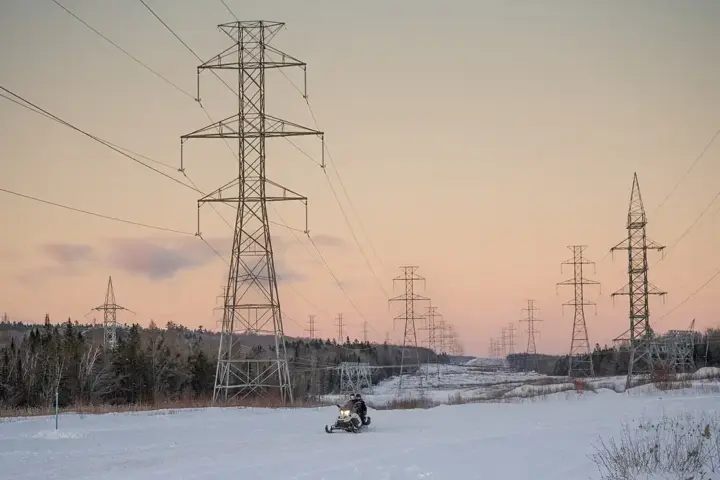
Canada COP31 Climate Statement: 1.5°C Seen as Unavoidable, Power Doubling by 2050
If you are weighing an electric car or a heat pump, the power grid and local electricity prices are important factors. On November 18, Canada told the COP31 climate summit in Türkiye
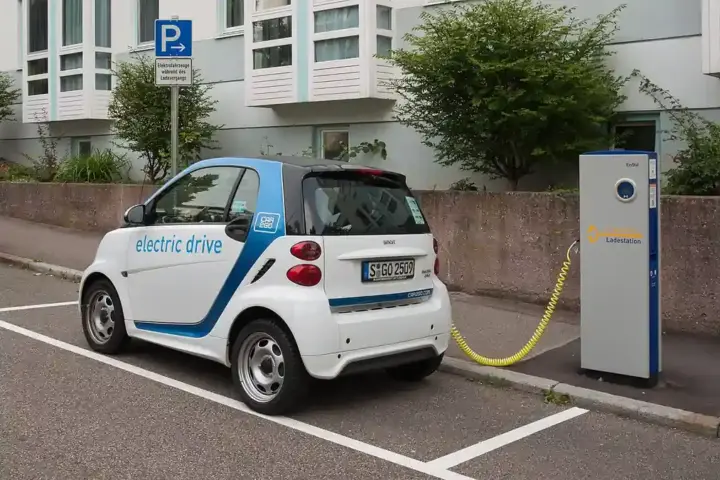
Climate Advisers Warn Weakening UK EV Target Risks Net Zero and £800 Savings
Thinking about your next car? The rules on petrol, hybrid and electric models could change soon. The government’s climate adviser has warned ministers not to water down the plan. It says a
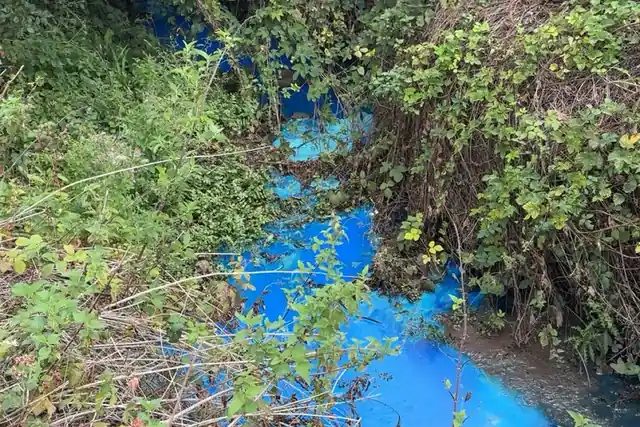
Exmouth Blue Brook Incident: How to Submit to the Environment Agency Survey Before Dec. 18
Exmouth Blue Brook Incident: How to Submit to the Environment Agency Survey Before Dec. 18 If you swam, surfed, ran a business or lost bookings at Exmouth beach this September, the Environment
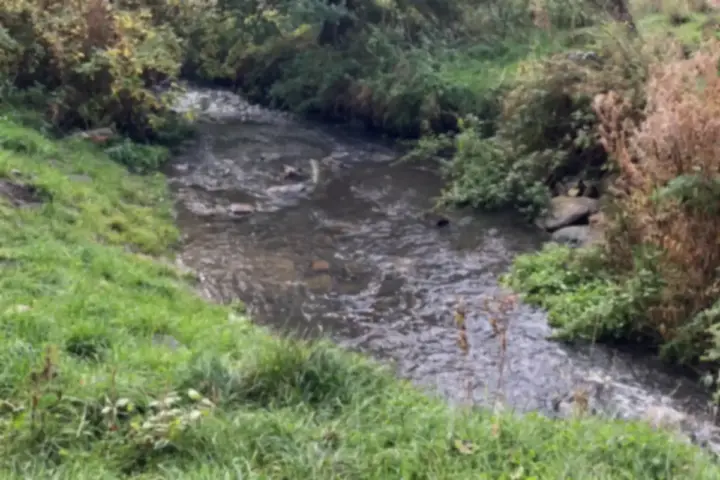
Pitty Beck Wetland Restoration: How Bradford’s Flood Scheme Aims to Help Wildlife
The Pitty Beck wetland restoration in Allerton, Bradford, is aiming to slow that water and improve habitat for wildlife. Heavy rain can send floodwater racing down small streams and into nearby streets.
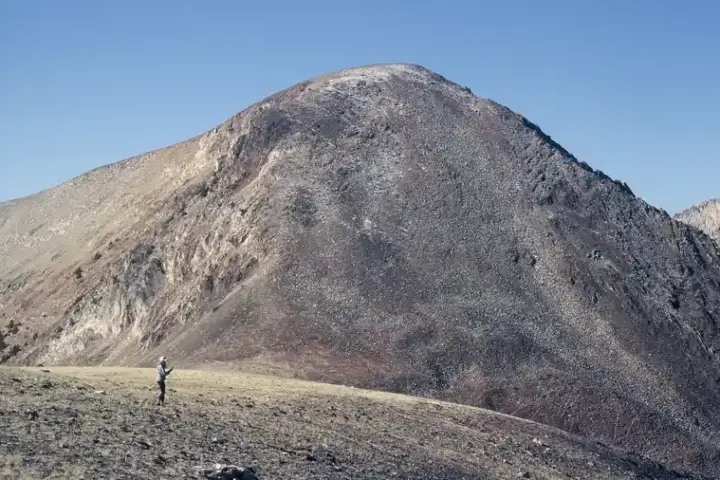
Idaho Cabin Tied to USDA’s Michael Boren Still Stands Past Forest Service Removal Deadline
An apparently unfinished log cabin in Idaho’s Sawtooth National Recreation Area was documented still standing in October 2026, more than a year after the U.S. Forest Service’s deadline to remove it. The
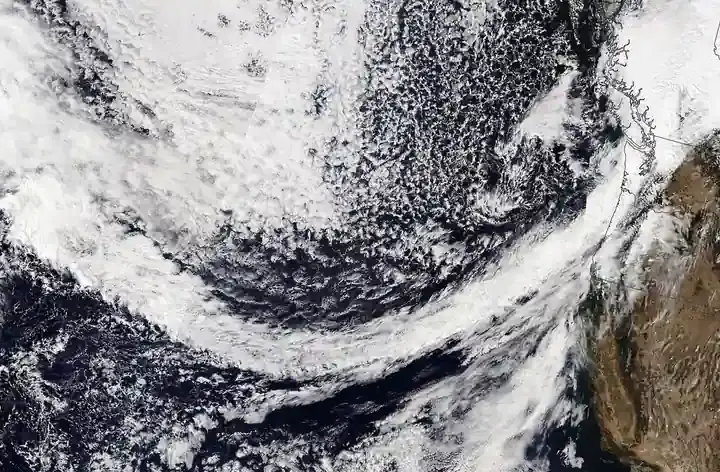
Florida Flood Watch Threatens Saturated Basins With Up to 12 Inches of Rain as Coastal Storm Bands Train Onshore
A Flood Watch issued by the National Weather Service in Melbourne covers nine counties (Volusia, Seminole, Orange, Osceola, Okeechobee, Brevard, Indian River, St. Lucie and Martin) from Tuesday afternoon through Friday. The
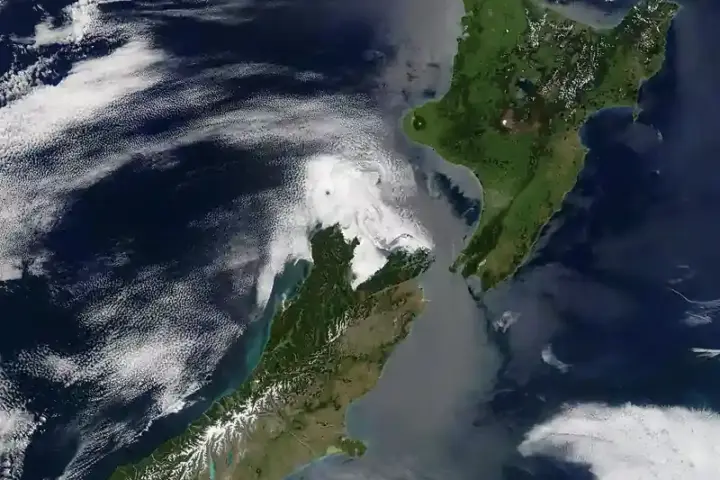
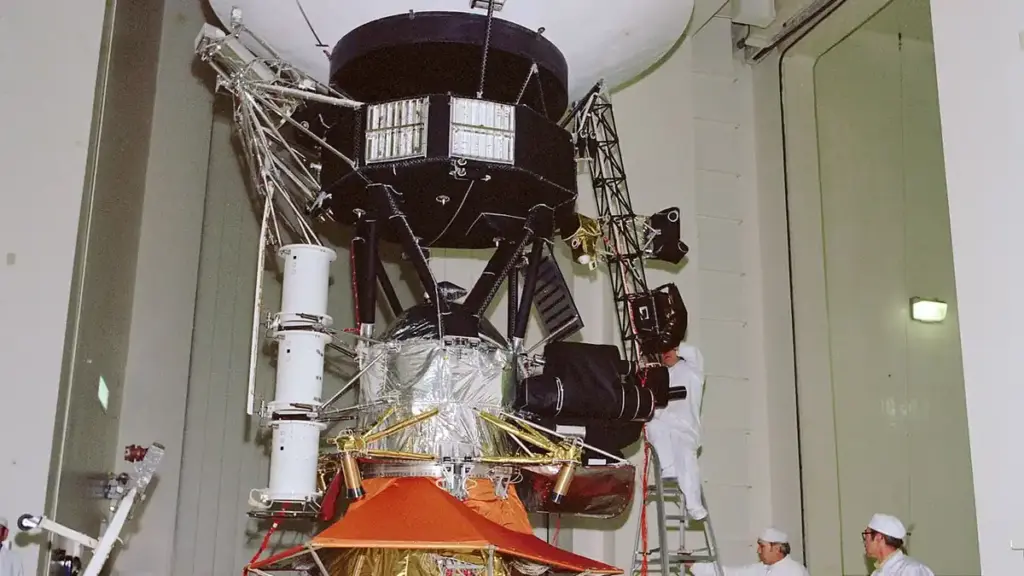
NASA Terra Satellite Mission Ends December 2026 After 27-Year Earth Observation Record
Built for six years, NASA’s Terra satellite lasted 27—and on December 1, 2026, its science instruments go silent for good. The flagship Earth Observing System (EOS) spacecraft, launched December 18, 1999, will
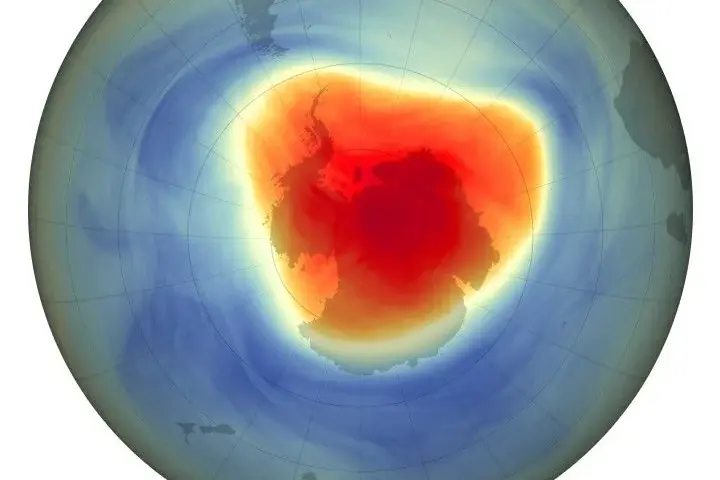
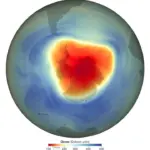
2026 Ozone Hole Largest in a Decade: NOAA & NASA Say Recovery on Track
2026 Ozone Hole Hit 10.5 Million Sq Mi, Largest in a Decade: Why NOAA Says Recovery Is Still on Track The largest Antarctic ozone hole in ten years just appeared in NOAA
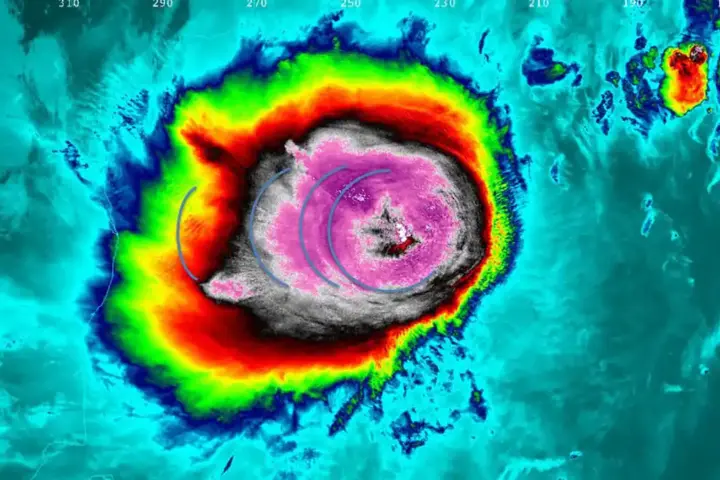
Cyclone Akvan Andhra Pradesh: IMD Tracks Very Severe Storm to Nellore-Tuni Coast by Nov 20
Cyclone Akvan Tracker: IMD Projects Very Severe Storm Crossing Between Nellore and Tuni by Nov. 20 Cyclone Akvan Andhra Pradesh — Coastal communities from Nellore to Visakhapatnam are watching a familiar pattern