Canada COP31 Climate Statement: 1.5°C Seen as Unavoidable, Power Doubling by 2050
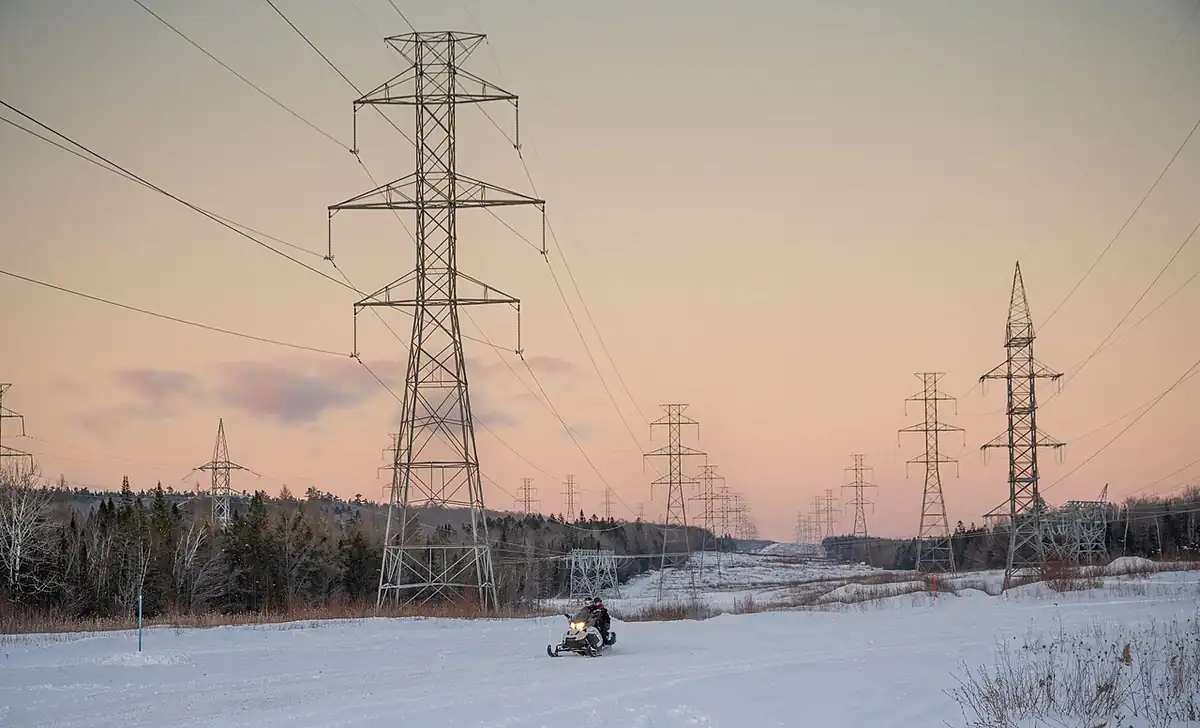
If you are weighing an electric car or a heat pump, the power grid and local electricity prices are important factors. On November 18, Canada told the COP31 climate summit in Türkiye that it plans to double its electricity supply by 2050. The same statement says exceeding 1.5°C of warming is widely seen as unavoidable.


Latest from Canada

Canada Alert Ready Test Sounds Across Thirteen Regions as Officials Explain Why Certain Mobile Phones Stayed Quiet
Canada’s national emergency alerting system, Alert Ready, is conducting a scheduled nationwide test today, Wednesday, November 18, 2026. Test notifications will be broadcast across television, radio, and compatible LTE and 5G mobile
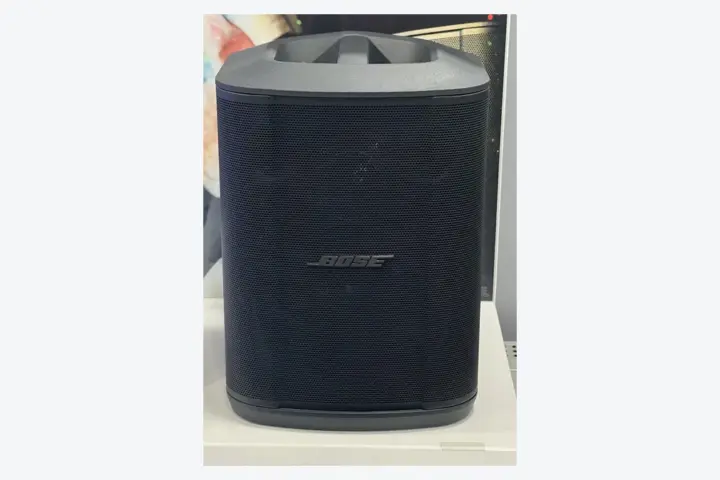
Bose S1 Pro Battery Recall: 670,000 Packs Recalled for Fire and Overheating Risk
If you own a Bose S1 Pro or S1 Pro+ speaker, or a spare battery pack, take action today. About 670,000 lithium-ion battery packs have been recalled in the United States and

Canada’s 2026 Silver Cross Mother Virginia Hicks honors a daughter killed in a 2002 training crash
As Canadians gathered at the Remembrance Day ceremony in Ottawa on November 11, the woman laying the wreath on behalf of every mother who lost a child in military service carries a
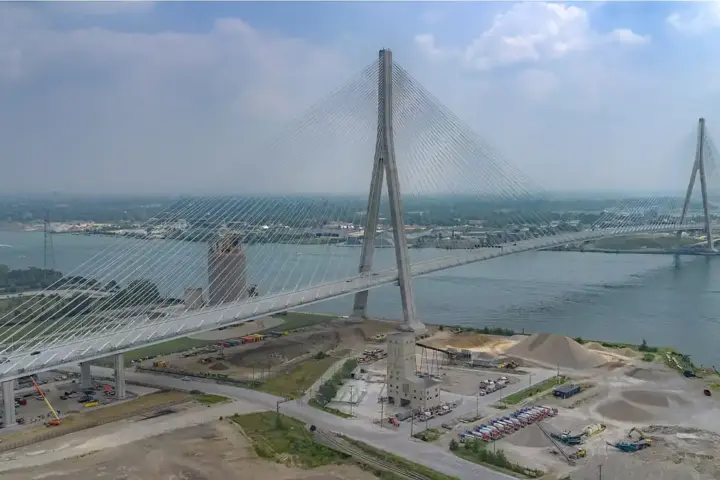
Windsor Police conduct planned emergency exercise at Gordie Howe International Bridge in cross-border drill
Noticing extra police activity near Windsor‘s west end or the Gordie Howe International Bridge this week? It was planned. Windsor Police Service confirmed it carried out a scheduled emergency preparedness exercise at

BC flood warnings raised for Pemberton and the South Coast as atmospheric river hits ahead of a second storm
British Columbia‘s South Coast is under full flood warnings after days of heavy rain, and there’s more on the way before the weekend is out. The BC River Forecast Centre upgraded flood

Molson Canada recalls 29 beers including Coors Light and Blue Moon over possible metal piece contamination
Check your fridge before your next drink: 29 beer products sold across Canada have been recalled over the possible presence of metal pieces. The Canadian Food Inspection Agency recall, filed by Molson
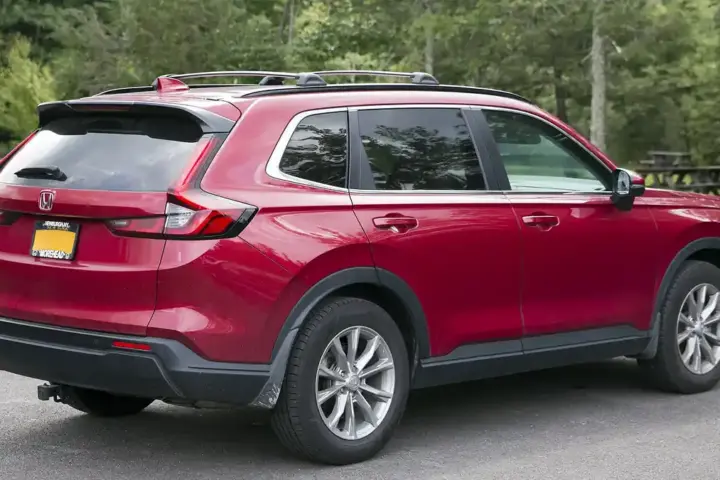
Honda CR-V tops Canada’s most-stolen vehicle list with 2,137 thefts as Lexus TX posts over 11% theft rate
Auto thefts fell 18% across Canada last year — real progress by any measure. Yet insurers paid out roughly $900 million in vehicle-theft claims, and one newly popular SUV is disappearing from
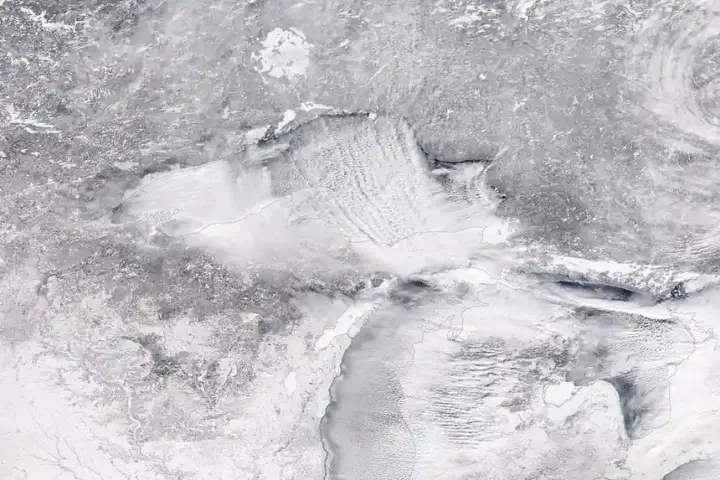
Polar vortex winds collapse toward a record-early November reversal with US, Canada, and Europe cold blast forecast
Thirty kilometers above the Arctic, winds that normally race around the pole at more than 20 meters per second have collapsed toward zero — and forecasters say a full reversal would be

2026 National Silver Cross Mother Virginia Hicks Honours Daughter Killed in 2002
On November 11, military parents across Canada will watch the Ottawa ceremony with a fresh ache. Four soldiers died at CFB Wainwright only weeks ago. Those families are now where other parents
2026 National Silver Cross Mother Virginia Hicks Honours Daughter Killed in 2002 LAV Training Accident
On November 11, military parents across Canada will watch the Ottawa ceremony with a fresh ache. Four soldiers died at CFB Wainwright only weeks ago. Those families are now where other parents
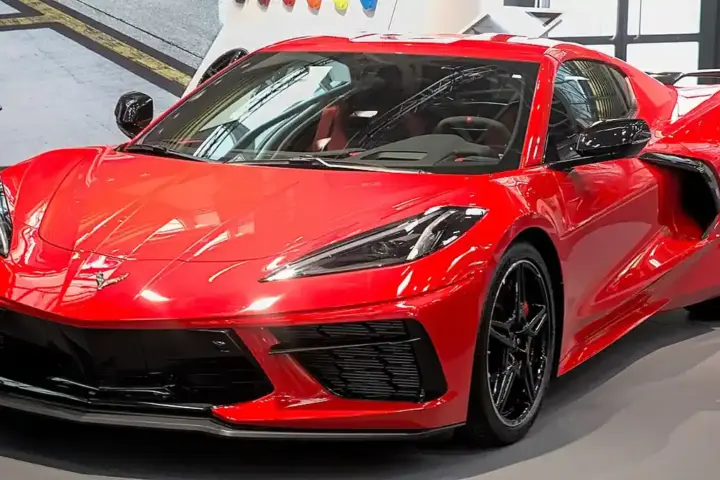
Corvette Test Drive Crash Costs Canadian Buyer C$17,182 After “Dealership Employee” Argument Fails
Corvette Test Drive Crash: Canadian Buyer Ordered to Pay C$17,182 After Arguing a Test Drive Made Him a “Dealership Employee” Thinking about a test drive in a new sports car? A Canadian

Etihad’s Calgary–Abu Dhabi Non-Stop Is Already Flying—Four Times a Week Since October 25 on a 787-9 Dreamliner
Etihad Airways' Calgary–Abu Dhabi non-stop launched October 25, 2026. Four weekly flights on Boeing 787-9 Dreamliners now operating.
“Don’t Give Your Banking Password to AI”: BMO’s CEO Said It Out Loud—Now JPMorgan, Schwab and RBC Are Blocking the Bots
BMO's CEO warns sharing your banking password with AI voids fraud protection. JPMorgan and Schwab have restricted access; RBC is considering the same.

Montreal Metros Hockey: Fictional Team, 1964 Club, and Transit Search Mix-Up
Searches for “Montreal Metros” can bring together three separate subjects that share a city name or a team name. Keeping them apart makes the results easier to read. The first subject is
UK Pulls the Plug on Canada’s £100 Billion Defence Bank After Ottawa Headquarters Dispute Ends Merger Talks
Britain and Canada came closer than any public reporting had shown to creating a combined NATO-aligned defense financing bank—before talks collapsed over where to put it. The decision is now final. Two