 Sonali Tiwary
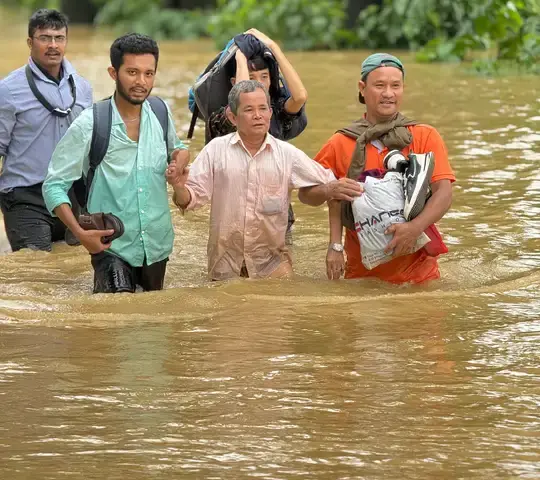
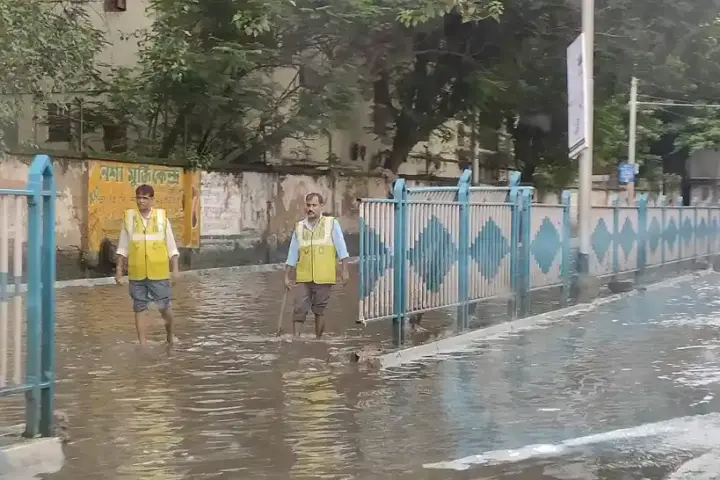
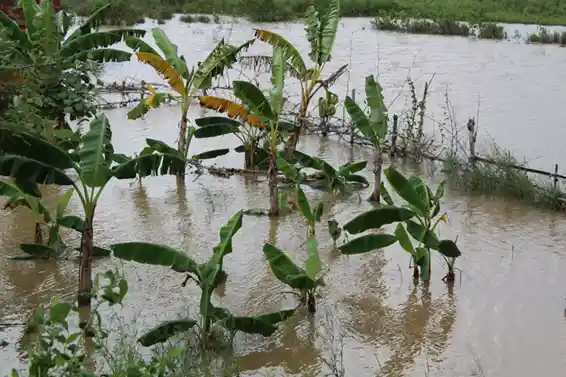
Motorbikes stall mid-street as brown floodwater climbs past their wheels, and commuters wade home barefoot with their shoes held overhead. Bangkok has declared a flood disaster as roads across the city go under water, catching residents and travelers in a storm system that dropped roughly 300mm of rain over 48 hours — more than the city’s drainage system was built to handle.
The Bangkok Metropolitan Administration, under Governor Chadchart Sittipunt, formally declared a flood disaster on September 26, 2026, expanding the designation to all 50 of the city’s districts after roughly 300mm of rain fell over 48 hours, submerging major roads, stalling traffic, and forcing the closure of some low-lying neighborhoods. City officials have issued alerts urging residents in flood-prone districts to move vehicles to higher ground and avoid non-essential travel. The declaration triggers additional emergency resources and coordination powers for city agencies. The Thai Meteorological Department attributed the rain to a stalled low-pressure system interacting with the seasonal monsoon trough, a pattern expected to ease after September 27 — see TMD rainfall data — and officials have not yet said when water levels are expected to recede in the worst-affected areas.
For travelers and expats in Bangkok, the flood disaster declaration means immediate disruption: transport routes cut off, offices closed, and some neighborhoods edging toward evacuation status. Readers need to know which districts are affected, whether their accommodation sits in a flood-prone zone, and what supplies to have on hand if water keeps rising. The practical fallout is immediate — travel plans may need same-day changes, and anyone filing an insurance claim for flood damage should document losses and timestamps right away.
### Why Bangkok’s Drainage Can’t Keep Up
Bangkok sits on a low, flat river delta that was never designed for the volume of concrete and pavement now covering it. Much of the city’s canal network, historically used to move floodwater out to the Gulf of Thailand, has been narrowed or built over during decades of rapid urban growth, leaving fewer channels to absorb heavy rain. When monsoon rainfall arrives in short, intense bursts rather than spread evenly across the season, the remaining drainage system cannot move water out fast enough, and streets become the overflow channel by default.
This week’s rain was driven by a transient weather system — a stalled low-pressure area combined with the seasonal monsoon trough — arriving during an El Niño year that forecasters had expected to bring below-average rainfall to Thailand overall. It is not evidence of a monsoon “shift”: the legitimate long-term signal, per 2025 peer-reviewed research published in Scientific Reports, is a 14.5-19.7% increase in monsoon rainfall intensity over the 21st century, compounded by rising sea levels and land subsidence. Bangkok officials have discussed drainage upgrades and flood barriers for years, but large sections of the city’s pumping and canal system date to a period when both rainfall intensity and population density were far lower. The disaster declaration this week is as much a statement about that infrastructure gap as it is about any single storm.
The flood disaster declaration lands during an El Niño year that forecasters expected to bring below-average rainfall to Thailand, underscoring that this week’s flooding was driven by a specific, transient weather system rather than a seasonal shift. The more durable trend — a 14.5-19.7% increase in monsoon rainfall intensity documented in that 2025 research — is a decades-scale story, not something this single storm proves on its own. Infrastructure built for an older rainfall pattern is still absorbing that longer-term intensification, year after year, with no update to match it.
**Is Bangkok flooding right now?**
Yes. On September 26, 2026, Bangkok declared a flood disaster across all 50 of its districts after roughly 300mm of rain fell over 48 hours, submerging major roads and disrupting travel across the city. Governor Chadchart Sittipunt’s administration has issued alerts for residents in low-lying and flood-prone areas, and officials have not confirmed when water levels will recede. Travelers should check current advisories before planning routes through the city.
Bangkok’s flood disaster declaration leaves residents and travelers dealing with submerged streets and no fixed timeline for when conditions will ease. City officials are expected to update drainage and evacuation guidance as rain continues. Check back for updates on affected districts, travel advisories, and the city’s response as the monsoon season plays out.