El Niño 2026: The Pacific Is Warming Again — KarmActive
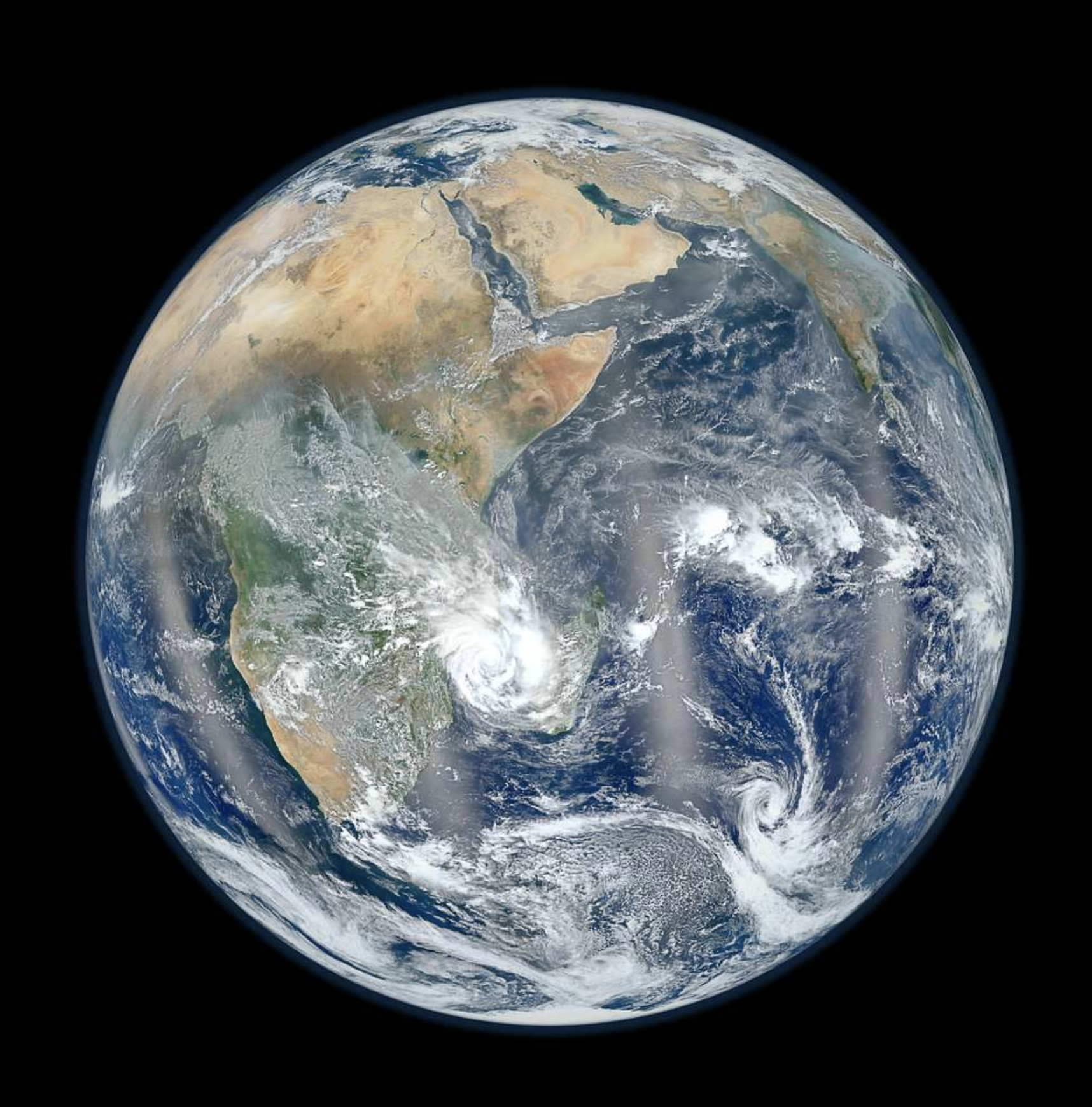
Satellite image of Earth centered on Africa and the Indian Ocean with visible cloud systems and cyclonic formations linked to global climate and El Niño weather discussions.
Climate · El Niño Watch 2026

The Pacific Is Warming Again — And This Time, the Whole Planet Feels It

Ocean temperatures are rising, winds are shifting, and a potentially strong El Niño may form by mid-2026. Here is what the data says, and what it means for your region.

Satellite view of Earth centered on Africa and the Indian Ocean — as scientists monitor shifting ocean temperatures linked to a possible El Niño event. Credit: NASA/NOAA (Suomi NPP)

Pacific: ENSO-Neutral Transitioning
El Niño: 61% probability by Jul 2026
April 2026: Joint 3rd-warmest on record
Source: NOAA CPC · Copernicus · WMO

The Pacific Ocean, in its quiet and slow way, is reshuffling global weather. NOAA’s Climate Prediction Center puts the probability of El Niño establishing itself between May and July 2026 at approximately 61%. The World Meteorological Organization confirms ENSO-neutral conditions are currently in place, with El Niño chances rising through the second half of the year.

El Niño is the warm phase of a semi-regular oscillation in the tropical Pacific, where massive amounts of stored ocean heat release into the atmosphere. Events typically recur every two to seven years and last around nine to twelve months, according to NOAA’s Physical Sciences Laboratory. What is different in 2026 is the baseline: Copernicus reports that April 2026 was the joint third-warmest April on record globally, with an average surface air temperature of 14.89°C — 0.52°C above the 1991–2020 average — and sea-surface temperatures over 60°S–60°N reaching the second-highest April value ever recorded.

Scientists are clear: climate change does not necessarily make El Niño more frequent or intense as a natural cycle — but it does significantly amplify the damage El Niño causes, because both the ocean and the atmosphere are already warmer. For more on how India’s 2026 monsoon season is being affected, and how early warning systems are evolving globally, KarmActive has covered both in depth.

How Likely Is El Niño in 2026?

Key numbers from the latest official forecasts by NOAA, WMO, and IRI as of May 2026.

0%
NOAA CPC probability of
El Niño forming by Jul 2026
0
Real-time monitoring instruments
across the Pacific today
+2.0°C
Niño-3.4 threshold for a very strong event
— a 1-in-4 chance per NOAA

NOAA currently puts a 1 in 4 chance of Niño-3.4 reaching +2.0°C or higher — the threshold for a very strong event. Forecast uncertainty is elevated due to the spring predictability barrier, a seasonal period when El Niño predictions carry higher uncertainty. Source: NOAA CPC · IRI ENSO Forecast

Pacific Ocean Temperature Anomaly — East to West (Conceptual Gradient)
Peru & Ecuador Coast Central Pacific (Niño 3.4) Western Pacific / Asia
−2°C (Cool)
−0.5°C
Near Average
+0.5°C
+2°C (Very Strong threshold)
>+2°C (Extreme)

Where El Niño Hits — And How

Select a region to explore the forecast impacts based on current official assessments.

🌧️
India: Monsoon Under Pressure
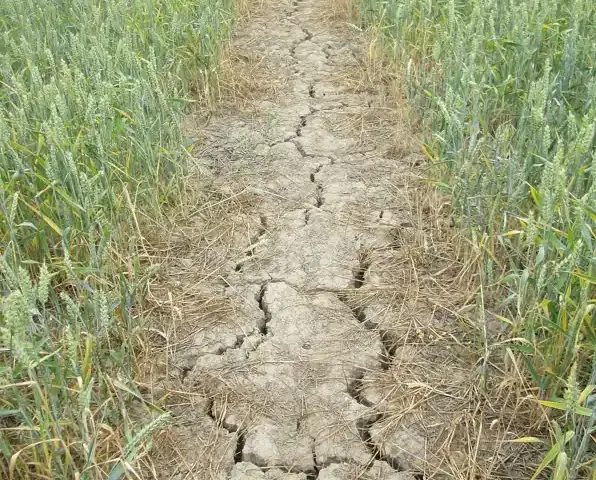
IMD’s April 2026 forecast puts seasonal rainfall at most likely below normal — 92% of Long Period Average. El Niño development during the southwest monsoon season, combined with a possible positive Indian Ocean Dipole, is the key driver. This directly affects August–September rainfall deficits and drought risk.
High Risk
🌾
SE Asia: Crop Threats
El Niño suppresses rainfall across Indonesia, Malaysia, Thailand, and Vietnam. Palm oil, sugar, and rice production face reduced soil moisture — output reductions can persist even after the event ends. The ASEAN Specialized Meteorological Centre is monitoring a rapid transition from neutral to El Niño conditions.
High Risk
🦟
Health: Dengue & Heat Stress
Stagnant water from irregular rainfall combined with heat creates ideal conditions for dengue vectors. WHO states that heat stress is a leading cause of weather-related deaths, and that ENSO events can worsen floods, drought, disease risk, and wildfire smoke exposure. Malaria and dengue risks are linked to ENSO-related climate shifts.
Elevated Risk
🔥
East Asia: Post-El Niño Flood Risk
For China, the period after El Niño is often more damaging than during it. The rapid swing from a strong El Niño to a La Niña — as occurred in 1997–98 — can channel warm, wet air from the tropics directly toward China, causing severe flooding. The 1997–98 Yangtze River floods killed approximately 3,000 people. Flood-related displacement in China has continued in recent years, underscoring the region’s ongoing vulnerability to ENSO-linked rainfall extremes.
Watch
🌵
Sahel: Dry Season Disruption
El Niño tends to dry out the Sahel’s rainy season from July to September. Near all countries in West Africa and the Sahel experienced record-breaking wildfires already in 2026. Wildfire researcher Theodore Keeping notes that fires in these populated areas are “of particular concern” given ongoing drying from warming.
High Risk
🌊
East Africa: Flood-Borne Disease
El Niño often drives warm, moist winds across the Indian Ocean toward East Africa, triggering floods, landslides, and outbreaks of Rift Valley Fever and Cholera as sanitation infrastructure fails. These patterns were observed in 2023–24 and are expected to recur. Extreme rainfall-linked displacement is already documented across multiple regions.
High Risk
🌾
Southern Africa: Crop Failure Risk
The November–March rainy season faces suppression. In the 2015–16 El Niño, food production fell by two-thirds in some southern African countries. Current fiscal buffers in the region are lower than in 2015, according to UN-ESCAP, meaning communities are less equipped to absorb the shock.
High Risk
📊
Food Security: Cascading Risks
Associate professor Deepti Singh of Washington State University warns that “enhanced drought risk will threaten food, water and economic security in many regions, which could cascade globally across interconnected socioeconomic systems.” The UN’s FAO and OCHA are among the agencies coordinating preparedness responses.
Elevated Risk
🌧️
Southern Brazil / Río de la Plata: Heavy Rain
Rainfall in the southern tier (Argentina, Uruguay, Southern Brazil) is projected to increase by 20–40%. The most recent 2023–24 El Niño caused record-breaking rains in Rio Grande do Sul — displacing half a million people — despite not being classified as “strong,” because human-caused warming supercharged its impact. Prof. Regina Rodrigues of Federal University of Santa Catarina confirmed the amplification.
High Risk
🔥
Amazon: Drought & Wildfire
The Amazon faces below-normal rainfall and increased wildfire risk. In 2023–24, some rivers reached their lowest levels in 120 years. Fires scorched the Pantanal — the world’s largest tropical wetland. Ongoing deforestation compounds the vulnerability of this ecosystem during El Niño drought episodes.
High Risk
🌊
Western US: Wetter Winter, Then Wildfire
El Niño typically delivers wetter conditions across California and the US South. However, the “wet-then-dry” whiplash creates a wildfire fuel problem: grasses thrive during rains, dry rapidly in returning heat, and become combustible. The northwestern US faces elevated wildfire risk later in the year.
Elevated Risk
🚢
Panama Canal: Trade Disruption Risk
Drought in Central America historically lowers water levels in the Panama Canal, restricting global shipping capacity and triggering supply chain bottlenecks. This trade-critical chokepoint has been affected in prior El Niño events and remains a documented economic exposure for global logistics.
Watch
🔥
Australia: Severe Wildfire Season Ahead
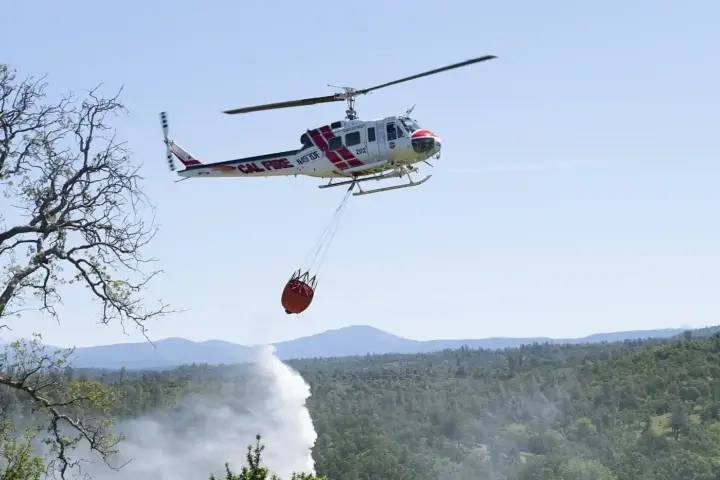
El Niño typically delivers below-average rainfall across Australia, drying forests and pastures. Wildfire researchers at the University of Reading say firefighters are bracing for potentially some of the most damaging fire conditions in recent history. Already in 2026, wildfires globally have scorched over half a million square miles — 50% above the 25-year average.
High Risk
💨
Indonesia: Forest Fires and Smoke
Indonesia typically braces for forest fires during El Niño dry phases. Transboundary haze affects neighbouring Malaysia, Singapore, and Brunei — with documented public health impacts from smoke particulate exposure. The Australian Bureau of Meteorology is the primary monitoring authority for Pacific-Oceania El Niño impacts.
High Risk
🌡️
Pacific Islands: Heat and Water Scarcity
Small island nations face disrupted rainfall patterns and intensified marine heatwaves. Global warming is reshaping where and how warm the seas around the region become, modulating the amount of rain El Niño actually delivers, said climate scientist Andréa Taschetto of the University of New South Wales.
Elevated Risk
📡
Scientific Value: Best Available Signal
Despite all uncertainties, El Niño and La Niña remain among the most reliable multi-season climate signals available. “For farmers, land managers, disaster agencies, insurance companies — nothing else provides such a reliable indication of how the world might look a few seasons ahead,” said Dr. Taschetto. The ECMWF runs seasonal forecast systems updated on a rolling basis.
Opportunity

El Niño + Climate Change: The Amplifier Effect

El Niño is natural. What magnifies it is not.

“There is no evidence that climate change increases the frequency or intensity of El Niño events. But it can amplify associated impacts because a warmer ocean and atmosphere increases the availability of energy and moisture for extreme weather events such as heatwaves and heavy rainfall.”

— World Meteorological Organization (WMO), April 2026
Factor Historical El Niño 2026 El Niño Context
Ocean Heat Moderate baseline Record-high global ocean heat content; April 2026 sea-surface temps among highest ever recorded (Copernicus)
Atmospheric Moisture Standard capacity Warmer air holds more water vapour — supercharging both rainfall extremes and droughts
Climate Baseline Pre-industrial average “We are now in a different baseline climate,” said Dr. Clara Deser, NCAR. Past El Niños don’t reliably predict future ones.
Monitoring Infrastructure Limited; ~70 buoys post-1982 4,000+ real-time instruments across the Pacific, daily tracking enabled by satellite advances
Predictability Near-zero before 1986 Seasonal forecasts since 1996 at ECMWF & NOAA; spring predictability barrier remains a known limitation
Human-Induced Warming Not yet a major factor WMO confirms no evidence climate change increases El Niño’s frequency or intensity — but it amplifies impacts by adding energy and moisture to an already warmer ocean and atmosphere. 2024 became the hottest year on record partly because El Niño occurred on top of human-caused warming.

Sector-Level Risk: What to Watch

Based on current forecasts from NOAA, WMO, WHO, and FAO for a developing El Niño scenario.

🔥
Wildfire Risk
85
Amazon, Western US, Australia, and SE Asia face a severe season. Already 50% above the 25-year average globally in 2026.
🏥
Public Health
78
Heat stress, dengue, Rift Valley Fever, and cholera risks elevated across tropical and subtropical regions. WHO estimates approximately 489,000 heat-related deaths per year globally (2000–2019 data), with 45% in Asia.
🌾
Food Security
72
Rice, palm oil, sugar, coffee, and cocoa harvests at risk. Southern Africa and SE Asia most exposed. Commodity price volatility expected.
💧
Water & Energy
68
Amazon-linked hydropower in Brazil and Colombia faces drought-driven energy rationing risk. Panama Canal shipping volumes may be constrained.

“After a period of neutral conditions at the start of the year, climate models are now strongly aligned, and there is high confidence in the onset of El Niño, followed by further intensification in the months that follow.”

— Wilfran Moufouma Okia, Chief of Climate Prediction, World Meteorological Organization, April 2026

Very Strong El Niño Events: A Timeline Since 1850

There have been approximately six very strong El Niño events since 1850. Each shaped history in a different way. Note: “super El Niño” is not an official WMO classification.

1877–1878
The deadliest El Niño on record — but not the cause alone
A combination of cool pre-1877 Pacific conditions, the 1877–78 El Niño event, a record-strong Indian Ocean Dipole, and a warm North Atlantic drove a global famine that killed an estimated 3–4% of the world’s population — equivalent to roughly 250 million people at today’s population levels. Modern research also notes that colonialist disruption of local resilience systems exacerbated the catastrophe. Source: NASA Technical Reports Server
1982–1983
The turning point for science
This unexpected very strong El Niño triggered an international effort to build real-time Pacific monitoring. By the mid-1990s, approximately 70 moored buoys were tracking the ocean. The event caused enormous economic losses and transformed how the world tracked and predicted this phenomenon.
1997–1998
First successfully predicted very strong El Niño
ECMWF and NOAA seasonal forecast systems correctly identified this event was likely in 1996. It caused global economic losses estimated between $32 billion and $96 billion at the time. The Yangtze River floods in China killed approximately 3,000 people in the La Niña period that followed. Source: ECMWF
2015–2016
Record-tied warming; food production collapses
Crop production fell by two-thirds in some southern African countries. Amazon fires scorched the Pantanal. The event set or tied global temperature records, compounding with accelerating greenhouse gas concentrations. This was the first event where climate-change amplification was clearly and systematically documented by scientists.
2023–2024
Moderate classification, catastrophic outcomes
Rivers in the Amazon fell to their lowest levels in 120 years. Half a million people were displaced in Rio Grande do Sul, Brazil. Despite being classified as less intense than 1997–98, human-induced warming amplified its effects substantially. Prof. Regina Rodrigues (Federal University of Santa Catarina) confirmed: “impacts are much worse because of climate change.”
2026 → Developing
ENSO-neutral transitioning — El Niño watch in effect
NOAA’s CPC puts 61% probability of El Niño by July 2026. April 2026 sea-surface temperatures were the second-highest for the month on record. WMO’s April 2026 update stated there is “high confidence in the onset of El Niño, followed by further intensification in the months that follow.” Over 4,000 real-time instruments are now tracking the Pacific. Source: WMO, April 2026

Preparedness: Actions That Reduce Risk

For farmers, households, and community planners in at-risk regions. Tap each to track what you’ve considered.

🌾 Crop Planning Shift to short-duration or drought-resistant varieties — millets instead of rice where dry spells are forecast. Review sowing calendars against IMD’s seasonal outlook.
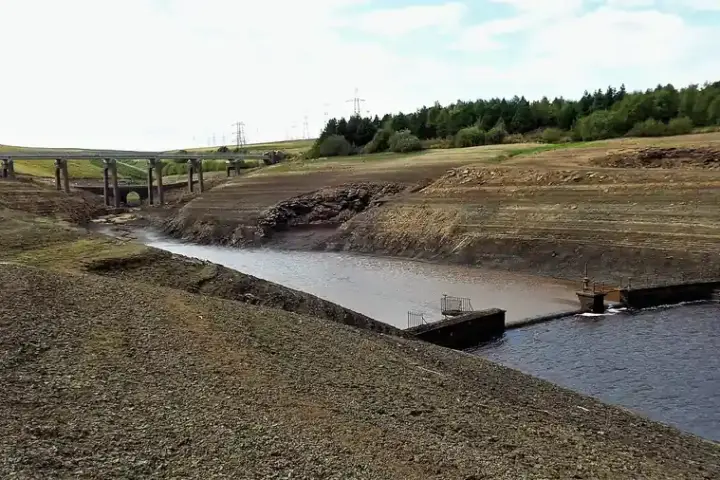
💧 Water Storage Communities in drought-forecast zones should build or reinforce rainwater harvesting and storage before the monsoon deficit materialises. Check reservoir levels early.
🦟 Vector Control Flood-prone and drought-affected zones both raise vector-borne disease risk. Prioritise mosquito control, remove stagnant water, and update vaccinations for water-borne illnesses per WHO heat and health guidance.
🔥 Wildfire Preparedness In fire-prone areas (Amazon, Western US, SE Australia), clear defensible space early, monitor local fire authority alerts, and plan evacuation routes before peak season.
📈 Commodity Exposure Expect volatility in coffee, cocoa, sugar, and palm oil. Buyers and traders in these supply chains should review contract terms and hedging strategies well before Q3 2026.
🌡️ Heat Emergency Planning Local governments in South Asia, East Africa, and parts of the Americas should activate heat action plans, identify cooling centres, and issue public heat advisories. See how heat affects mental health too.

The developing 2026 El Niño was discussed in relation to rising sea-surface temperatures, shifting Pacific wind patterns, and elevated ocean heat content documented by NOAA, WMO, Copernicus, and IMD. A 61% probability of El Niño onset by July 2026 was reported by NOAA’s Climate Prediction Center, occurring against a backdrop of the joint third-warmest April on record globally.

Regional forecasts were covered across South and Southeast Asia, Africa, the Americas, and Oceania — including drought and monsoon deficit risks for India, wildfire threats for Australia and the Amazon, flood risk in southern Brazil, and food security concerns in southern Africa. The article also detailed the documented amplification of El Niño’s effects by human-caused warming, as assessed by the World Weather Attribution group and confirmed by climate scientists at Imperial College London and the National Center for Atmospheric Research.

Historical context was provided through a timeline of major El Niño events from 1877 to 2024, and the scientific advances in Pacific monitoring — from 70 buoys to 4,000+ real-time instruments — were outlined. The early warning infrastructure now in place globally was also noted. KarmActive continues to track climate risk developments and the growing frequency of record-breaking atmospheric conditions.


Karmactive Whatsapp group - https://www.whatsapp.com/channel/0029Vb2BWGn77qVMKpqBxg3D

Rahul Somvanshi

Rahul, possessing a profound background in the creative industry, illuminates the unspoken, often confronting revelations and unpleasant subjects, navigating their complexities with a discerning eye. He perpetually questions, explores, and unveils the multifaceted impacts of change and transformation in our global landscape. As an experienced filmmaker and writer, he intricately delves into the realms of sustainability, design, flora and fauna, health, science and technology, mobility, and space, ceaselessly investigating the practical applications and transformative potentials of burgeoning developments.

Leave a Reply

Your email address will not be published.

Infographic comparing PCOS and PMOS terminology, showing ovarian cyst focus versus broader hormonal and metabolic disorder explanation with reproductive and endocrine system illustrations
Previous Story

PCOS Renamed PMOS After 14 Years: What It Means for 170 Million Women and Why 70% Go Undiagnosed

Latest from Climate

Don't Miss