Your Kitchen Sponge Sheds 6.5 Million Microplastic Fibers Per Gram — Scientists Are Alarmed 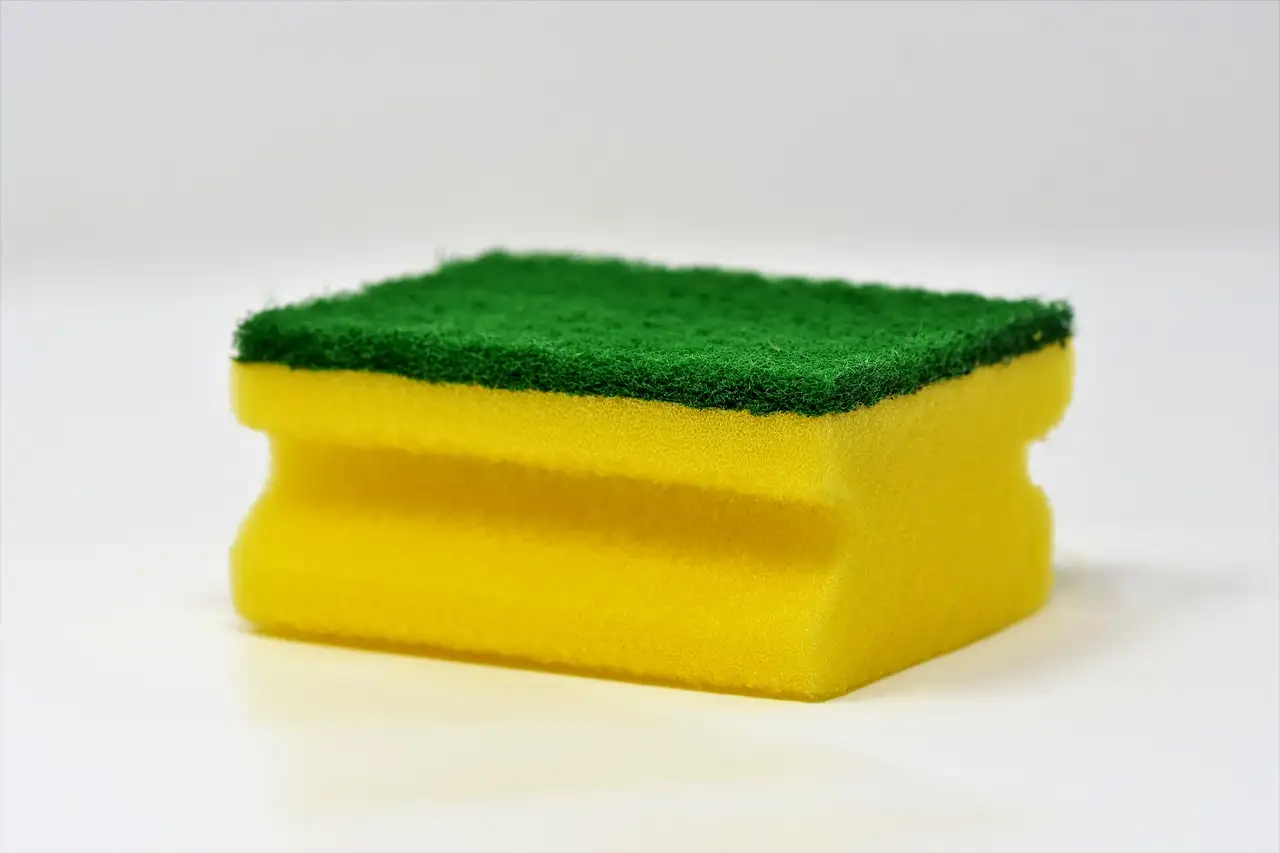 ⚠ Microplastics
Your Kitchen’s “Magic” Sponge Is Releasing Trillions of Microplastic Fibers — Into Water You May Drink
Every gram worn off a melamine foam sponge releases millions of plastic fibers into your drain. A growing body of peer-reviewed science — and now, the U.S. EPA — is paying close attention.
6.5MFibers per gram worn away1.55TFibers released globally / month2003Year Magic Eraser launched$1.68BEst. global market size (2024)Every year, millions of households across the world reach for white melamine foam sponges — sold under names like Mr. Clean Magic Eraser — to wipe down walls, scrub stovetops, and remove scuff marks. They work by acting like extremely fine sandpaper. But that same abrasive action is breaking the sponge apart, releasing microplastic fibers with every scrub.
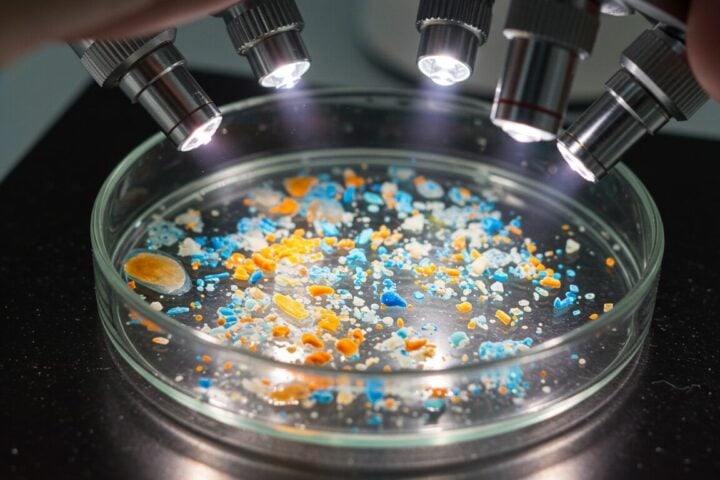
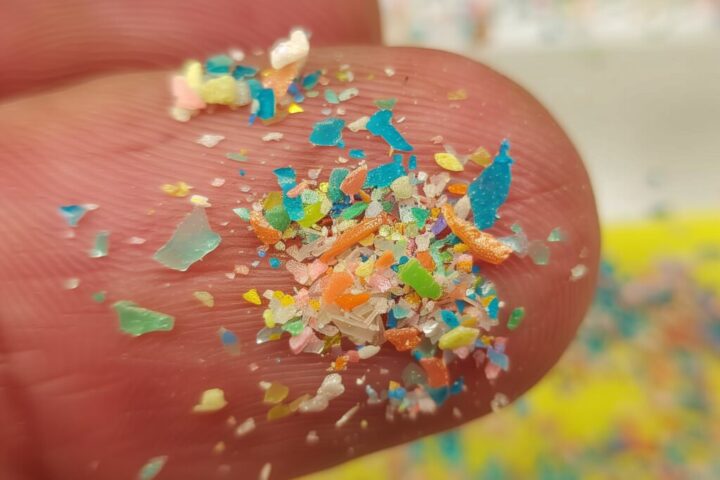
A study published in ACS Environmental Science & Technology found that a single gram of worn melamine sponge releases approximately 6.5 million microplastic fibers. Researchers estimated — based on Amazon sales data from August 2023 alone — that over 1.55 trillion such fibers enter water systems globally every month. Some projections, accounting for all retail channels, reach 4.9 trillion per month. These fibers are made from poly(melamine-formaldehyde) polymer, range from 10 to 405 micrometers in length, and are small enough to survive portions of standard water treatment and reach rivers, reservoirs, and — in some cases — the tap. Karmactive has previously covered how even common dishwashing liquids carry plastic pollution into waterways; the sponge you use alongside them adds another layer to that same story.
From Scrub to Sink: How Fibers Travel
Tap each stage to follow the pathway — from sponge to water system
Stage 1The Sponge Scrubs — and Breaks ApartMelamine foam sponges are made from poly(melamine-formaldehyde) polymer — a rigid, web-like structure of plastic strands assembled into a lightweight foam. It works like sandpaper on stains. Every scrubbing motion causes those strands to deform and fracture in a process called mechanochemical abrasion — releasing fibers between 10 and 405 micrometers in length with both linear and branched morphologies.
≈ 6.5 million fibers released per gram of sponge worn away
Stage 2Down the Drain — Into WastewaterWhen you rinse the sponge, fibers are flushed into the drain and enter wastewater systems. Because they are buoyant — lighter than water — they drift through pipes rather than settling. Using Amazon August 2023 sales data as a baseline, researchers calculated 1.55 trillion fibers per month flow into wastewater globally; estimates including all retail channels put this figure closer to 4.9 trillion.
Buoyant fibers travel through pipes toward water treatment facilities
Stage 3Partial Removal at Treatment PlantsWastewater treatment — filtration, flocculation, sedimentation — removes many particles. But not all. The World Health Organization’s assessment on microplastics in drinking water notes that individual studies have reported a wide range of detections — from near zero up to 10,000 microplastic particles per litre in tap water samples — with mean values varying considerably and the evidence base still limited. The small size and buoyancy of melamine fibers make complete removal with standard infrastructure difficult, and most plants were not designed with synthetic polymer fibers in mind.
WHO notes studies have found up to 10,000 microplastic particles per litre in some treated drinking water samples
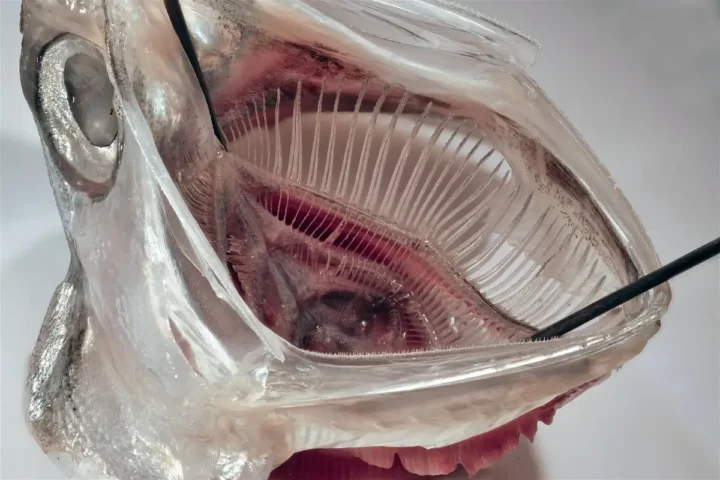
Stage 4Into Rivers, Wildlife and the Food ChainFibers that survive treatment reach rivers and reservoirs. A study published in Ecotoxicology and Environmental Safety (January 2025) — documented on PubMed — found that melamine-derived fibers accumulated in the gut of Daphnia magna, a tiny aquatic organism that sits at the base of the freshwater food chain. These fibers were eliminated more slowly than standard polystyrene microplastics, and prolonged exposure over 21 days produced concentration-dependent mortality. Karmactive has also covered how Great Lakes fish now carry up to 1,000 microplastic particles — a food chain pathway that reaches human plates.
Aquatic organisms ingest fibers → fish consume them → the food chain reaches human plates
Stage 5Accumulation in the Human BodyMicroplastics from all sources have been detected in human blood, lungs, breast milk, placentas, hearts, and brain tissue. Research documented by the University of New Mexico Health Sciences found alarmingly high concentrations in human brain tissue — rising over time. A study in Nature Medicine (2025) found brain plastic concentrations rose 50% in just eight years. No study has yet directly attributed specific health outcomes solely to melamine sponge fibers; however, the accumulation pathway from household products to human tissue is now documented across multiple peer-reviewed journals.
Brain plastic concentration: ~4,800 μg/g — roughly equivalent to 7 grams of dispersed plastic, as illustrated by lead researcher Dr. Matthew Campen
Global Fiber Release — Live EstimateBased on 1.55 trillion fibers/month worldwide · Source: ACS Environmental Science & Technology, 20240microplastic fibers released into global water systems during this time windowWhat Science Has Found in the Human Body
The following data covers microplastics broadly — not melamine sponge fibers alone. All sources are peer-reviewed.
🧠Brain AccumulationBrain tissue plastic concentrations rose by 50% over eight years, according to Nature Medicine (2025). The lead researcher, Dr. Matthew Campen, reported brain samples from 2024 contained approximately 4,800 micrograms of plastic per gram — roughly 0.48% of brain weight. Illustrating the scale, Campen held up a plastic spoon and noted the figures work out to close to 7 grams of dispersed plastic material in a typical adult brain.50% rise in 8 years❤️Cardiovascular RiskA 2024 study tracked 257 patients with carotid artery stenosis who completed a mean follow-up of approximately 34 months. Those with detectable microplastics and nanoplastics in their excised arterial plaque had a 4.5 times higher risk of a composite endpoint — heart attack, stroke, or death from any cause — compared to patients without plastics in their plaque. Published in the New England Journal of Medicine. Karmactive covered this finding in detail.4.5× higher risk🔬Multi-Organ DetectionMicroplastics have been detected in human blood, lungs, breast milk, placentas, semen, ovarian follicular fluid, and heart tissue. Research cited by the University of New Mexico Health Sciences notes concentration appears to grow over time — not remain stable.Detected in 9+ organs🧬Neurological PathwaysResearch links microplastic exposure to oxidative stress, mitochondrial dysfunction, neuroinflammation, and disruption of synaptic proteins — pathways associated with Alzheimer’s and Parkinson’s disease. Smaller particles are documented to cross the blood-brain barrier more readily than larger ones.Linked to neurodegeneration pathwaysAccording to industry estimates — specifically, market research published by Data Bridge Market Research — the global melamine foam market was valued at approximately $1.68 billion in 2024, with projections to reach around $5.37 billion by 2032. The product has been in households since Procter & Gamble launched the Mr. Clean Magic Eraser in 2003 — more than two decades of widespread domestic use with no specific regulatory attention to microplastic fiber release. Asia-Pacific — particularly China, India, and Japan — accounts for the largest share of both production and consumption, and demand continues rising in markets where disposable income is expanding.
The U.S. EPA’s April 2026 draft CCL6 is the first time microplastics have been formally included under the Safe Drinking Water Act as a contaminant group requiring focused evaluation and potential future regulation.On April 2, 2026, the U.S. Environmental Protection Agency announced the draft Sixth Contaminant Candidate List — the first time microplastics were formally included under the Safe Drinking Water Act. The announcement was made jointly by EPA Administrator Lee Zeldin and HHS Secretary Robert F. Kennedy Jr. Simultaneously, the Department of Health and Human Services launched a $144 million research initiative called STOMP — Systematic Targeting Of MicroPlastics — through ARPA-H, the Advanced Research Projects Agency for Health. Public comments on the draft CCL6 remain open until June 5, 2026. The EPA is expected to sign the final list by November 17, 2026, after consulting its independent Science Advisory Board. The full scope of what this means for drinking water safety is covered in depth here on Karmactive.
Note: Being added to the Contaminant Candidate List is the first step in a long regulatory process under the Safe Drinking Water Act. The CCL itself does not create enforceable limits, require testing, or mandate action on water utilities. It prioritises research and funding.The European Union has moved further. Commission Regulation (EU) 2023/2055 restricts intentionally added synthetic polymer microparticles under REACH, with the first mandatory annual reporting deadline for companies set at May 31, 2026, covering 2025 emissions. Separately, an EU law on plastic pellet microplastic pollution entered into force on December 16, 2025. The World Health Organization’s assessment on microplastics in drinking water states evidence is accumulating but describes the full health implications as still under study — a position environmental scientists have increasingly questioned given the pace of accumulation findings.
What the research does offer is a practical direction: manufacturers can reduce fiber release by producing denser melamine foam. Denser foam wears down more slowly and releases fewer fibers per gram. This was explicitly recommended by the researchers behind the original ACS study. That recommendation has yet to become a standard or regulation anywhere in the world.
Two Decades of Use, Two Years of Regulatory Action
Key milestones in how governments responded after the science arrived
2003Magic Eraser LaunchedProcter & Gamble introduces the Mr. Clean Magic Eraser — a melamine foam sponge — to households worldwide. Generic versions follow from global manufacturers.June 2024ACS Research PublishedACS Environmental Science & Technology publishes peer-reviewed findings: a single gram of worn melamine sponge releases ~6.5 million microplastic fibers. Global monthly release estimated at 1.55 trillion based on Amazon August 2023 sales data.October 17, 2023EU REACH Microplastics Restriction Enters ForceEuropean Union Regulation 2023/2055 restricting intentionally added synthetic polymer microparticles enters into force. Phase-out timelines set for detergents (2028), fragrances and cosmetics (2029), and plant protection products (2031).January 2025Aquatic Toxicity ConfirmedA follow-up study in Ecotoxicology and Environmental Safety documents that melamine microplastic fibers accumulate in the gut of Daphnia magna, eliminate more slowly than polystyrene microspheres, and cause concentration-dependent mortality over 21 days of exposure.February 2025Nature Medicine Brain Study PublishedUniversity of New Mexico researchers publish findings in Nature Medicine: brain microplastic concentrations rose 50% between 2016 and 2024 samples, reaching ~4,800 μg/g in 2024 brain tissue. Brain tissue contained roughly ten times more microplastics than liver or kidney tissue.December 16, 2025EU Plastic Pellet Law Enters Into ForceEU’s new rules to prevent microplastic pollution from plastic pellets enter into force — addressing one of the largest industrial sources of microplastic release at source.April 2, 2026EPA Adds Microplastics to Draft CCL6For the first time, the U.S. EPA includes microplastics as a priority contaminant group under the Safe Drinking Water Act. ARPA-H (HHS) launches the $144M STOMP programme simultaneously. Public comment closes June 5, 2026. Final list expected to be signed by November 17, 2026.May 31, 2026EU ECHA Reporting DeadlineFirst mandatory annual reporting deadline under EU Regulation 2023/2055. Companies must provide ECHA with estimated emissions and microplastic identity data for all covered products released during 2025.Swaps That Don’t Shed Plastic
Filter by preference — all options below avoid poly(melamine-formaldehyde) polymer
Researchers behind the ACS study recommend switching to natural cleaning materials that do not contain synthetic polymers, and where possible, installing filtration at home or at the wastewater treatment stage to capture any fibers already released. The options below are all plastic-free or substantially lower in microplastic output.🌿Swedish DishclothMade from wood pulp and cotton. Highly absorbent, machine washable, biodegradable, and sheds no synthetic polymer fibers into drains. Replaces hundreds of paper towel uses per cloth.5/5 Eco Score🥥Coconut ScrubberMade from dried coconut husk fibers. Tough enough for heavy scrubbing tasks, fully biodegradable, and adds no synthetic polymer residue to rinsewater.4/5 Eco Score🍂Cellulose SpongeMade from wood pulp or plant cellulose. Absorbs water effectively, biodegrades fully, and contains no synthetic polymer that generates microplastics during normal use.4/5 Eco Score🧪Baking Soda + LemonBaking soda acts as a gentle physical abrasive. Lemon juice’s citric acid cuts grease and mineral stains. Together, they handle most kitchen wall and countertop marks — with zero synthetic fiber release.5/5 Eco Score🪴LoofahGrown from dried gourd plants. Provides light-to-moderate abrasion, decomposes fully after use, and contributes no synthetic polymers to wastewater when rinsed.4/5 Eco Score💧Fine-Particle Tap FilterInstalling a fine-pore inline filter on your kitchen tap reduces microplastic ingestion from drinking water. Researchers recommend this alongside reducing sponge use — not as a substitute for stopping fiber release at source. Related: this fish-inspired washing machine filter captures 99% of microplastic fibers.3/5 (partial fix)✅ What You Can Do Right NowReplace melamine foam sponges with cellulose, coconut scrubbers, or Swedish dishclothsUse baking soda and lemon juice for scuffs and stains instead of abrasive foam spongesInstall a fine-particle inline filter on your kitchen tap to reduce microplastic ingestionIf you continue using melamine sponges, choose denser variants — they release fewer fibers per gram of wearSubmit a public comment to the U.S. EPA on Draft CCL6 before June 5, 2026 — the comment period is openCheck whether your washing machine has a microplastic filter — or look into adding one0 of 6 actions notedMelamine foam sponges have been a household staple for over two decades. The research collected here — covering microplastic fiber release rates documented in ACS Environmental Science & Technology, the aquatic toxicity data from the Daphnia magna study, water treatment limitations, the broader body of evidence on microplastic accumulation in human organs, and the April 2026 EPA and EU regulatory developments — was drawn from peer-reviewed journals, national environmental agencies, and international health bodies. No projections or interpretations beyond what those sources state have been added.
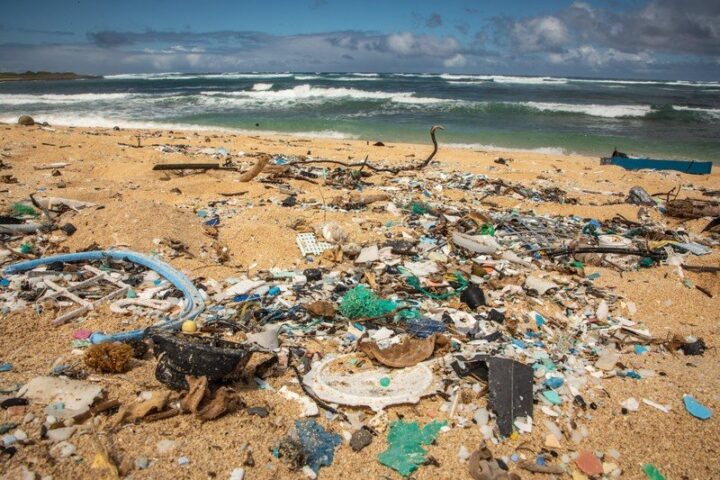
The 50% rise in brain microplastic concentrations over eight years, the EPA’s historic inclusion of microplastics on its contaminant watchlist, and the scale of plastic entering ocean and freshwater systems are each covered in greater depth here on Karmactive. What a household uses to clean its walls, scour its stovetop, and scrub its bathtub is also, through water systems, something that enters rivers, wildlife, and over time, bodies. That connection — between the ordinary and the cumulative — is what the science above has documented.