Suspected Hantavirus on the MV Hondius: Three Dead, One in ICU, Ship Held Off Cape Verde
A polar expedition cruise from Ushuaia, Argentina became the site of a suspected hantavirus public health event. The WHO, South African health authorities, and Dutch officials are coordinating an active multi-country response as investigations continue.
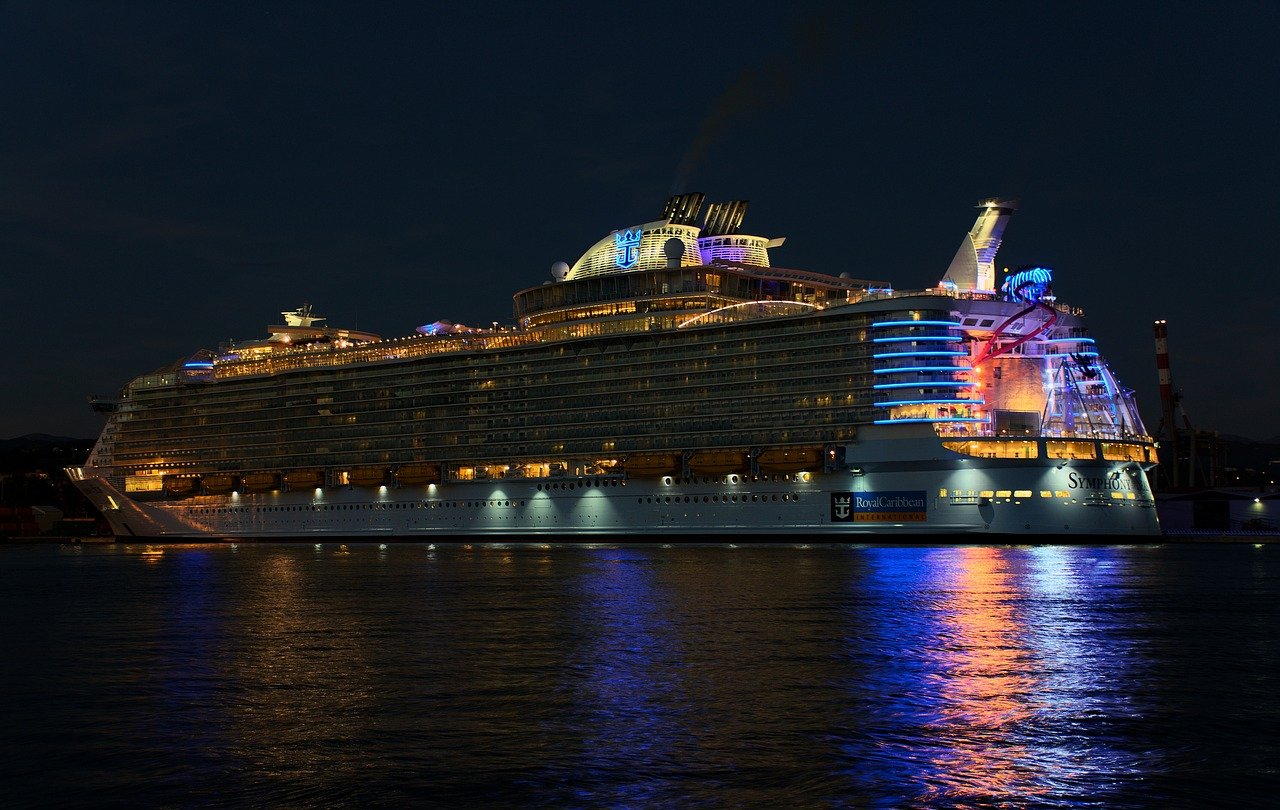
Three people are dead and at least five more are under investigation after a suspected hantavirus cluster emerged aboard the MV Hondius, a Dutch-flagged polar expedition cruise ship operated by Oceanwide Expeditions. The vessel departed Ushuaia, Argentina on March 20, 2026, for a voyage that included stops at Antarctica and the Falkland Islands, ultimately bound for Spain’s Canary Islands. As of May 4, 2026, the ship remains anchored off Praia, the capital of Cape Verde, while health authorities from multiple countries carry out a coordinated response.
The World Health Organization (WHO) has confirmed at least one laboratory-verified case of hantavirus — a 69-year-old British national now in intensive care at a private facility in Sandton, Johannesburg, South Africa. Five additional suspected cases are still under investigation. The WHO has stated that detailed investigations, including further laboratory testing and virus sequencing, remain ongoing, and has characterised this as a “public health event” — not a confirmed outbreak for all three deaths. Prior maritime disease outbreaks have been documented, but hantavirus — typically linked to rodent exposure in rural or remote land environments — is a rare and atypical finding aboard a vessel.
How the Public Health Event Unfolded, Stop by Stop
Tap or click each stop to expand what happened there.
Hantavirus: What the Science Says
Hantavirus is spread primarily through contact with infected rodents — their urine, droppings, or saliva — or by inhaling dust contaminated with these materials. According to the US Centers for Disease Control and Prevention (CDC), humans most commonly become infected when they disturb rodent nesting areas or handle contaminated materials in poorly ventilated spaces.
The WHO has stated that while person-to-person transmission is rare, it can occur in documented cases — specifically involving the Andes virus strain, which is found in South America. This is part of why the WHO is treating the MV Hondius event with a high level of coordinated caution, given the approximately 150 people who were on board. Whether exposure occurred on board the vessel, at one of the remote port stops, or at a cargo or supply loading point is still under investigation.
Hantavirus Pulmonary Syndrome (HPS) — the form prevalent in the Americas — progresses in stages. The data below is drawn from the CDC’s clinical overview for HPS.
Four to ten days after the initial phase of illness, HPS can progress to coughing and shortness of breath, with the lungs filling with fluid. The CDC notes that HPS can be fatal, with approximately 38% of those who develop respiratory symptoms dying from the disease. There is no vaccine or approved antiviral treatment.
Hantavirus exists worldwide, but the disease it causes differs by geography:
Americas (New World strains including Andes and Sin Nombre): Cause Hantavirus Pulmonary Syndrome (HPS), which primarily affects the lungs. The CDC estimates a case-fatality rate of approximately 38% for HPS. The Andes virus, found in Argentina and Chile, is the only known hantavirus strain with documented person-to-person transmission in the medical literature — making it relevant to this investigation given the ship’s departure point of Ushuaia, Argentina.
Europe and Asia (Old World strains): Cause Haemorrhagic Fever with Renal Syndrome (HFRS), which primarily affects the kidneys. The WHO has documented past hantavirus outbreaks in Argentina. Virus sequencing of the MV Hondius samples is ongoing and the strain has not yet been publicly confirmed. The ecological link between rodent populations and disease risk is an active area of research.
There is currently no specific antiviral treatment or approved vaccine for hantavirus infections, according to both the CDC and the WHO. Management is entirely supportive and focuses on:
• Oxygen therapy for respiratory symptoms associated with HPS
• Fluid management to maintain blood pressure and kidney function
• Intensive care monitoring for cardiovascular complications
• Early intervention — the CDC notes that the sooner a patient receives ICU-level care, the better the chances of survival
The delay in Cape Verde authorising the disembarkation of the two symptomatic individuals is a matter of medical urgency according to Oceanwide Expeditions. The South Africa National Institute for Communicable Diseases (NICD) is conducting contact tracing in the Sandton area of Johannesburg to determine if any individuals were exposed to the confirmed UK patient during his transfer to South Africa.
“Rapid, coordinated action is critical to contain risks and protect public health. We are working with the ship’s operators and affected member states.”
— Tedros Adhanom Ghebreyesus, WHO Director-General
About the MV Hondius
Where Could Exposure Have Occurred?
Investigators have not confirmed the source of exposure. The CDC states the incubation period for HPS is 1 to 8 weeks, meaning exposure may not have occurred on the vessel itself. Multiple hypotheses are under active investigation.
Who Is Doing What, Right Now
“Our priority is to ensure that the two symptomatic individuals on board receive adequate and expedited medical care. We are in close contact with those directly affected and their families and are providing support where possible.”
— Oceanwide Expeditions Official Statement, May 3, 2026
Tracking the MV Hondius Across the Atlantic
Hantavirus outbreaks are typically sporadic and localised events. According to the CDC, fewer than 900 total cases of HPS have been recorded in the United States since the syndrome was first identified in 1993. This is not a disease with sustained person-to-person transmission potential comparable to respiratory viruses, but its high case-fatality rate requires careful clinical management. The WHO’s historical outbreak records show that hantavirus clusters are rare and tend to be limited in scope.
The occurrence on a polar expedition vessel adds an unusual dimension to the case. As covered in earlier reporting on Antarctic cruise activity, expedition ships routinely access extremely remote environments. The environmental footprint of cruise operations in polar regions has been under scrutiny for years; biosecurity — specifically the movement of pathogens from supply chains and port environments onto vessels — may now be an added consideration.
The virus gained widespread public attention after classical pianist Betsy Arakawa, wife of actor Gene Hackman, died of hantavirus pulmonary syndrome in February 2025 at their Santa Fe, New Mexico home. Hackman died approximately a week later from hypertensive and atherosclerotic cardiovascular disease, with advanced Alzheimer’s disease listed as a significant contributing factor. He did not test positive for hantavirus.
The UK Foreign, Commonwealth & Development Office (FCDO) stated it was monitoring the situation closely and “ready to support British nationals if needed,” adding it was in contact with the cruise company and local authorities. The South Africa Department of Health has been the primary government authority coordinating on-the-ground response, with its spokesperson Foster Mohale providing updates on patient status and contact tracing efforts.
The suspected hantavirus public health event on board the MV Hondius was covered as a multi-country, developing response involving three deaths and one laboratory-confirmed case aboard a Dutch-flagged polar expedition vessel. The WHO, South Africa NICD, Dutch authorities, and Oceanwide Expeditions are all involved in coordinating the response. Laboratory work — including full virus sequencing and investigation of the five additional suspected cases — remains ongoing. The ship was anchored off Cape Verde pending decisions on disembarkation as of the time of publication.
The source of exposure — whether at a port, from contaminated supplies, during shore activity, or prior to boarding — had not been confirmed. Prevention guidance from the CDC for travellers to remote or rural areas: avoid contact with rodents and their droppings, ensure food storage is sealed in rodent-proof containers, and seek prompt medical attention if respiratory or flu-like symptoms develop after travel to areas where hantavirus is endemic. Prior reporting on disease outbreaks in enclosed environments and the broader connection between zoonotic diseases and environmental factors provides further context on these public health dynamics.
- WHO – Health Emergencies
- WHO – Hantavirus Outbreak Toolbox
- CDC – Hantavirus Overview (incubation period, symptoms, mortality)
- CDC – HPS Clinical Overview
- CDC – Hantavirus Prevention
- Oceanwide Expeditions – MV Hondius Operational Update
- NICD South Africa – National Institute for Communicable Diseases
- South Africa Department of Health
- UK FCDO – Foreign Travel Advice
- WHO – 2019 Hantavirus Outbreak, Argentina