 Sonali Tiwary
If you have family in Herrera, Los Santos, Veraguas, Coclé, or anywhere in the central provinces of Panama, here is what the official record shows so far. Panama declared a state of emergency on October 10 — the day after a powerful earthquake hit. That declaration means government resources are being redirected to housing, healthcare, and schools. Buildings are still being assessed, and the picture on the ground is changing faster than early reports can track.
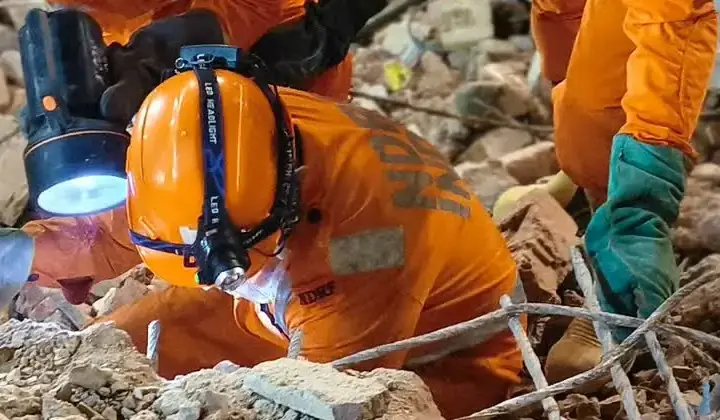
A 7.7-magnitude earthquake (per USGS; the Universidad de Panamá’s Geosciences Institute measured 7.5) struck the Azuero Peninsula in south-central Panama on October 9, 2026, with its epicenter about 12 kilometers west-southwest of Pitaloza Arriba in Herrera province, at a reviewed USGS depth of 12.6 kilometers. The heaviest initial damage was concentrated in Herrera, Los Santos, Veraguas, and Coclé provinces. Panama’s Cabinet issued an emergency declaration the following day to accelerate resource deployment. The government’s initial preliminary damage count listed 426 residences, 419 schools, and 21 health facilities affected, with about 27 people treated for injuries and no reported fatalities; subsequent reporting indicated those figures were revised upward as field surveys expanded across all ten provinces. Tsunami warnings were issued for Panama and several neighboring countries following the earthquake; those warnings were later lifted. Approximately 300 residents of Isla Cañas were evacuated after the sea rose. The Pan American Health Organization and World Health Organization, drawing on Ministry of Health data, assessed 29 health facilities affected across eight provinces and the Ngäbe-Buglé indigenous region. Those two health-facility counts reflect different assessment scopes within the same Ministry of Health reporting stream — they should not be added together.
Panama’s emergency declaration matters most to families who need school, medical care, or a safe place to stay after the quake. Authorities are still assessing buildings, so an operating clinic or school may have changed its status since the first reports. Check local official notices before traveling, follow aftershock instructions, and avoid treating early damage counts as final. The practical consequence is disrupted essential services, not merely a revised earthquake number.
What the Emergency Declaration Changes on the Ground
The emergency status allows Panama’s government to redirect public funds and prioritize aid distribution. PAHO/WHO confirmed that most affected health facilities remained operational but noted some services and utilities were disrupted. Families should verify current status directly before traveling for non-emergency care.
Seismologists at the Instituto de Geociencias de la Universidad de Panamá attributed the rupture to the Azuero-Soná fault system. Aftershocks remain a real concern following a magnitude 7-range event, and civil protection authorities have advised residents to remain alert to continued ground movement.
The government’s count of 419 affected schools does not mean all of them are closed. Building safety inspections determine occupancy status, and that process takes time. Parents should confirm their school’s current status through official SINAPROC channels or the Ministry of Education rather than news reports, which may reflect conditions from hours earlier.
The government’s preliminary property count and PAHO/WHO’s health-facility count reflect two different assessment scopes drawing from Ministry of Health data. Neither agency has issued a combined national damage figure. Anyone citing a number that adds these two sources together is working from an unofficial calculation.
Panama declared a state of emergency on October 10 after the October 9 earthquake to prioritize assistance to affected families. The government’s initial assessment listed damage to homes, schools, and health facilities across the affected provinces. PAHO/WHO says most affected health facilities remain operational, but some services and utilities were disrupted.
Formal building inspections and school reopening decisions will drive the recovery timeline in the coming days. SINAPROC and PAHO/WHO updates are expected as field assessments continue across the affected provinces. Check back as official clearance reports and service-restoration confirmations are released.