 Tejal Somvanshi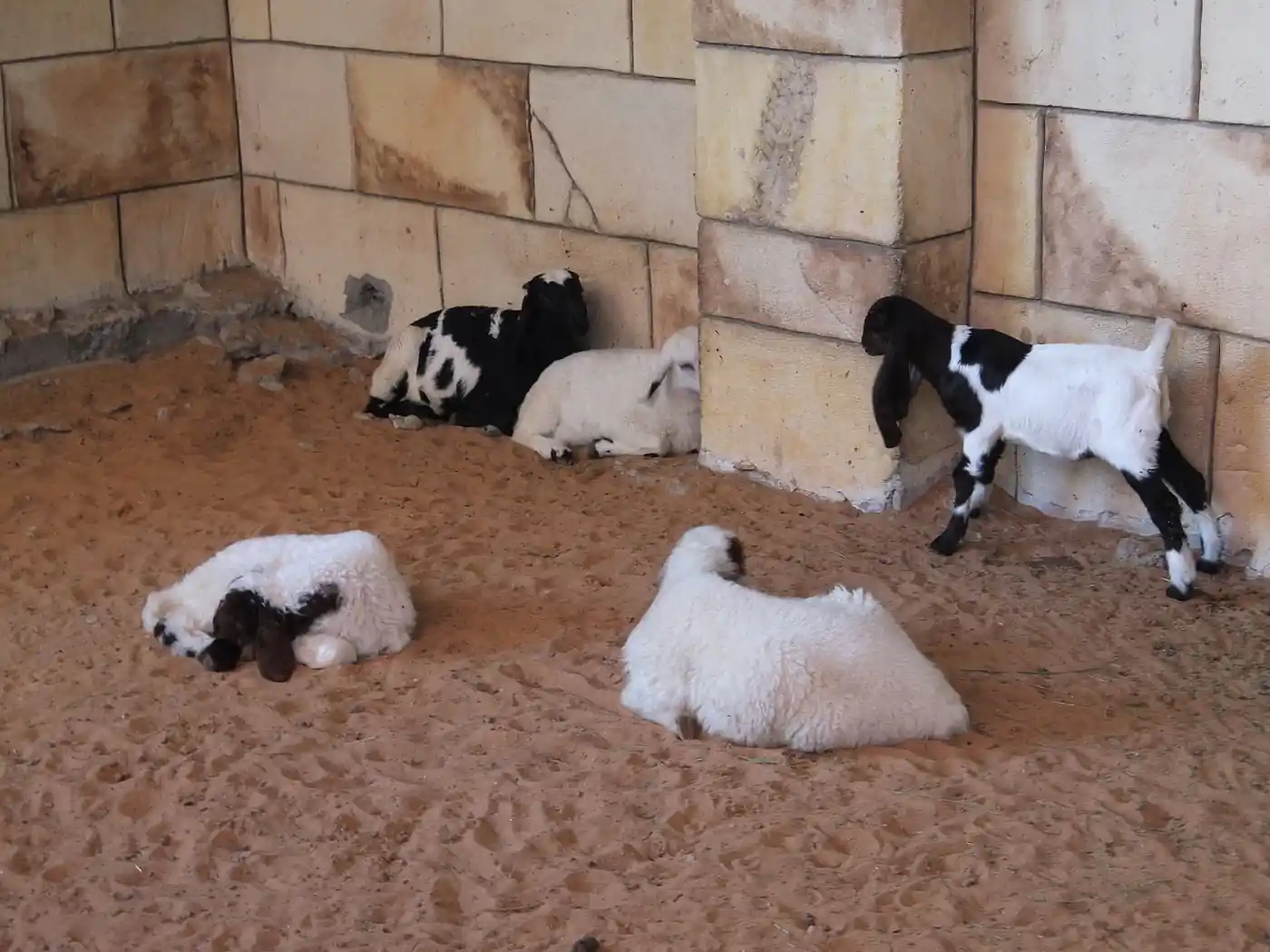
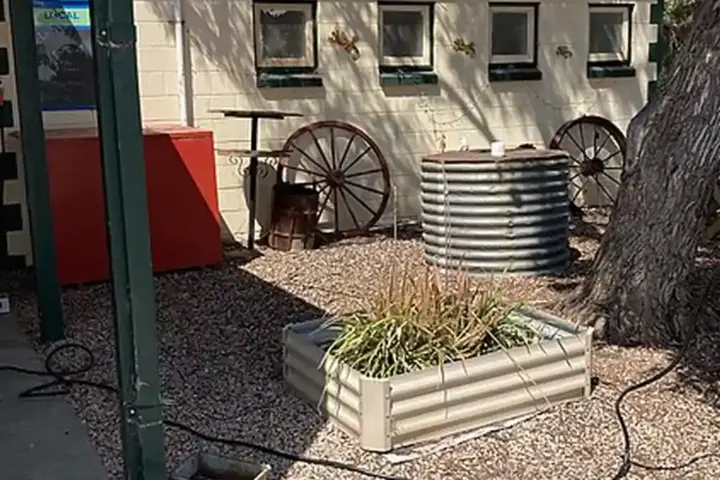
A three-year-old girl in Victoria has died after developing a serious illness, with investigation linking the case to a petting farm that was also visited by another affected child. A second child from the same location also became seriously ill.
The bacteria responsible—Shiga toxin-producing E. coli, or STEC—can trigger a severe condition called Haemolytic Uraemic Syndrome (HUS) in infected individuals, particularly young children. HUS damages the kidneys and blood cells, potentially causing renal failure and life-threatening complications.
Victoria's Department of Health classifies STEC/VTEC as a notifiable infection requiring immediate reporting to authorities. HUS is designated an urgent notifiable condition. Both designations reflect the public-health significance of these illnesses.
Petting farms and petting zoos create risk because animals carry E. coli bacteria in their digestive tracts without becoming sick themselves. Direct contact with animals or contaminated surfaces, combined with hand-to-mouth transfer, transmits bacteria to human visitors. Children under five face particularly high risk of developing HUS after STEC infection.
Symptoms of STEC infection typically appear within two to eight days of exposure, with most cases showing symptoms three to four days after contact. Initial signs include severe abdominal pain and diarrhoea. As infection progresses, diarrhoea often becomes bloody. Some infected people experience only mild symptoms, while others develop severe intestinal illness.
HUS develops in a subset of STEC-infected individuals, particularly young children. The condition causes hemolysis—destruction of red blood cells—combined with platelet destruction (thrombocytopenia) and kidney damage. Severe HUS can require blood transfusions, dialysis for kidney support, and intensive care hospitalization. Long-term kidney complications can persist after acute illness resolves.
The Department of Health recommends handwashing immediately after any animal contact, using soap and running water. Avoid consuming food or drink while near animals or in animal enclosures. Do not allow young children to touch their mouths or eat without washing first after animal contact.
Anyone who visited the petting farm and subsequently experienced severe abdominal pain, diarrhoea, or bloody stools should seek medical evaluation and inform their doctor of the animal exposure.