Rahul Somvanshi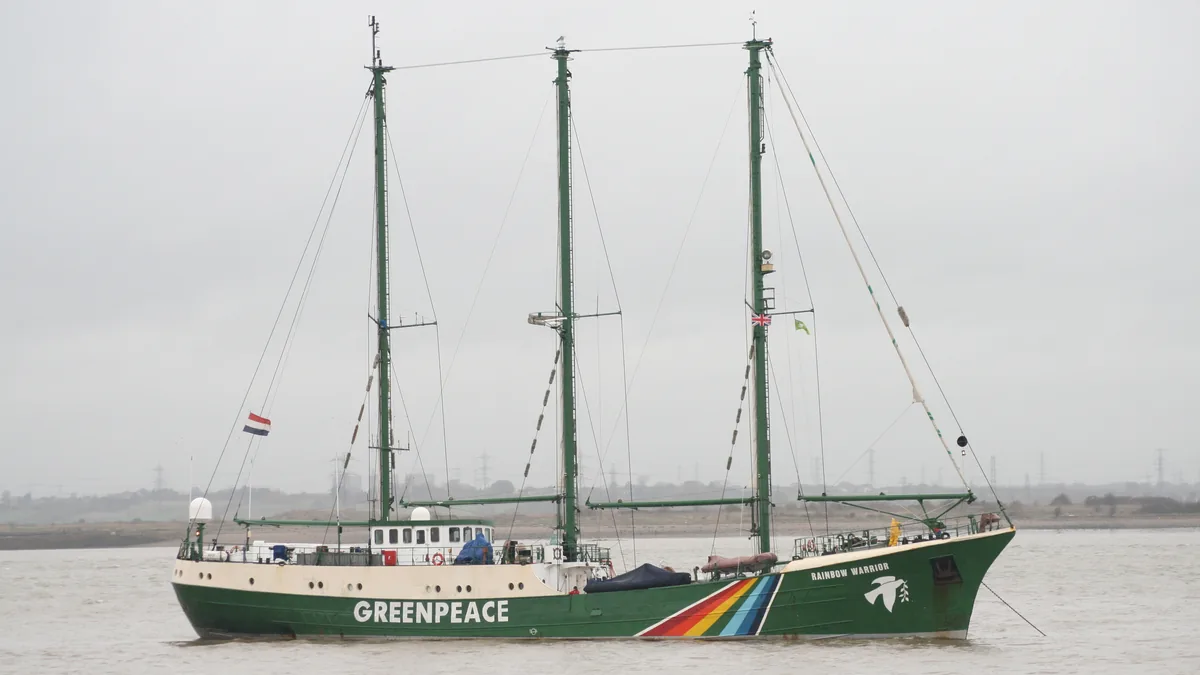
Four Greenpeace Australia Pacific activists scaled Woodside’s Scarborough gas platform before dawn on Saturday, October 17, more than 200 kilometres off the Western Australian coast. For anyone holding Woodside shares or watching the Burrup Hub’s gas output, the timing lands weeks before the project’s first LNG cargo is due to leave port.
The climbers launched from the Rainbow Warrior and boarded Woodside’s Scarborough Floating Production Unit (FPU), unfurling banners reading “Stop Woodside’s Dirty Gas. Save Scott Reef.” Greenpeace Australia Pacific confirmed the action in an official media release issued at 15:31 AWST on October 17, 2026. WA Campaign Lead Geoff Bice, speaking live from the Rainbow Warrior, said activists intend to occupy the platform “as long as possible.” The Scarborough project, which includes Pluto Train 2, is 98 percent complete and on track for its first 8 MTPA LNG cargo in the fourth quarter of 2026, according to Woodside Energy’s own operational filings.
For Australian energy watchers and Woodside shareholders, this offshore boarding hits at the most sensitive point in the Scarborough schedule, just weeks before the scheduled first cargo. A temporary climber occupation will not stall infrastructure that is already 98 percent built. But it adds federal regulatory pressure on Environment Minister Murray Watt ahead of rulings on Woodside’s separate, far larger Browse expansion proposal, a project India’s own LNG infrastructure push has made commercially urgent for Asian buyers.
That distinction matters. The banners reference Scott Reef, not Scarborough itself. Scott Reef sits more than 600 kilometres further north and is the target of Woodside’s proposed Browse project, which would drill up to 57 wells. Greenpeace is using Scarborough’s financially sensitive first-gas milestone as leverage against a project it has not yet physically touched. Scott Reef is a 15-million-year-old coral atoll that supports pygmy blue whales and nesting green sea turtles. Conservationists warn that 57 wells risk drill-cutting contamination and seismic acoustic trauma in a habitat with no comparable refuge nearby for these species. Western Australia’s broader industrial build-out, including the Henderson AUKUS apprenticeship pipeline, shows how defence and energy projects now compete for the same coastal approvals and workforce.
Why is Greenpeace protesting Woodside’s Scarborough gas project? Four activists occupied the Scarborough Floating Production Unit 200 kilometres off Western Australia on October 17 to push the federal government to block Woodside’s broader gas expansion plans, specifically the Browse proposal to drill near Scott Reef. Australian authorities have separately tightened enforcement around marine resource protection, as seen in a recent illegal fishing crackdown off Queensland, underscoring how marine habitat protection is becoming a bigger regulatory theme nationally.
Woodside has not yet issued a public response to the occupation. WA Police and federal maritime authorities are expected to address removal of the climbers, and Woodside is likely to file an ASX statement when markets open Monday. Four activists remain aboard the Scarborough platform, banners raised, pressing the government to reject the Browse project at Scott Reef before Woodside’s Q4 first-gas milestone arrives.