 Tejal Somvanshi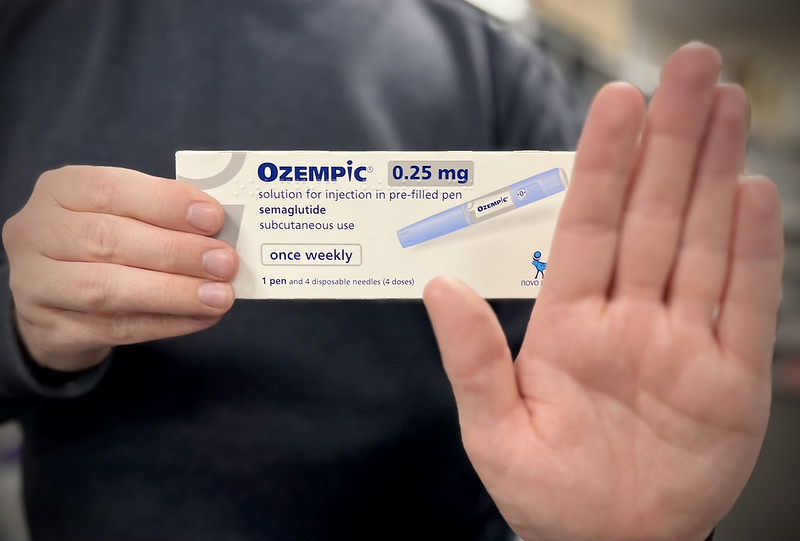
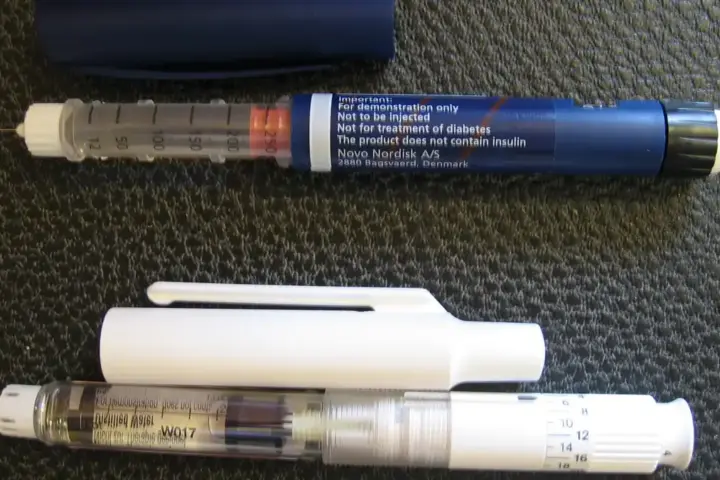
Patients who have received compounded injectable medications — specifically semaglutide, tirzepatide, or sermorelin — from a pharmacy connected to recent safety alerts should contact their prescribing clinician or dispensing pharmacy promptly to confirm whether their specific product is affected. Anyone experiencing symptoms that could indicate an infection or a serious adverse reaction following an injection — including fever, unusual redness or swelling at the injection site, or signs of acute illness — should seek medical care without delay rather than waiting for a callback.
The concern behind these alerts is sterility assurance, not a confirmed contamination in every vial from every batch. Safety alerts tied to compounded injectable products from Houston RX and Carolina Infusion, as reported in available sources, identify a lack of adequate sterility assurance as the stated concern. That means regulators or inspectors have determined that the conditions under which these products were prepared do not reliably guarantee that the medications were free of microbial or other contamination. It does not mean every unit produced was contaminated, but it does mean that risk cannot be ruled out — and for an injectable drug, that uncertainty is the basis for action.
That distinction matters for patients trying to understand what to do next. The appropriate first step is verification, not a blanket decision to stop all treatment immediately. Patients should confirm from their pharmacy whether their specific product came from a lot or facility covered by the relevant alert, and then have a direct conversation with their prescriber about how to proceed. A prescriber can assess the individual risk, identify whether alternative sourcing is appropriate, and monitor for any signs of concern based on when and how the medication was used.
Why compounded GLP-1 and peptide injectables draw regulatory scrutiny
Semaglutide and tirzepatide are GLP-1 receptor agonists prescribed for weight management and type 2 diabetes; sermorelin is a growth hormone-releasing peptide used in some clinical contexts for hormonal support. All three are available in compounded form from specialty pharmacies, particularly when commercially manufactured versions face supply shortages or when a prescriber determines that a compounded formulation better suits a specific patient’s needs.
Compounded medications are not subject to the same pre-market approval process as commercially manufactured drugs. Their safety depends heavily on the quality systems of the individual compounding pharmacy. When regulators identify a facility where those systems are inadequate — especially regarding sterility, which is the most consequential quality attribute for any injectable product — they act to restrict distribution and alert prescribers and patients. This is not an argument that compounded medications are inherently unsafe. Many patients receive compounded injectables without incident from pharmacies with strong quality programs. The concern here is specific to identified facilities and the conditions reported there, not a universal claim about all compounded GLP-1 or peptide products.
Patients currently receiving commercially manufactured versions of these medications through a licensed retail pharmacy are not affected by these particular alerts.
Those who received product from Houston RX or Carolina Infusion should preserve any remaining doses, note the lot information printed on the label if available, and bring that information to the conversation with the prescriber. If the pharmacy is unreachable, the prescriber unavailable, and symptoms are present, an urgent care facility or emergency department is the right next step. No one should continue using a product they have specific reason to believe is covered by a safety alert without first receiving guidance from a qualified clinician.