 Tejal Somvanshi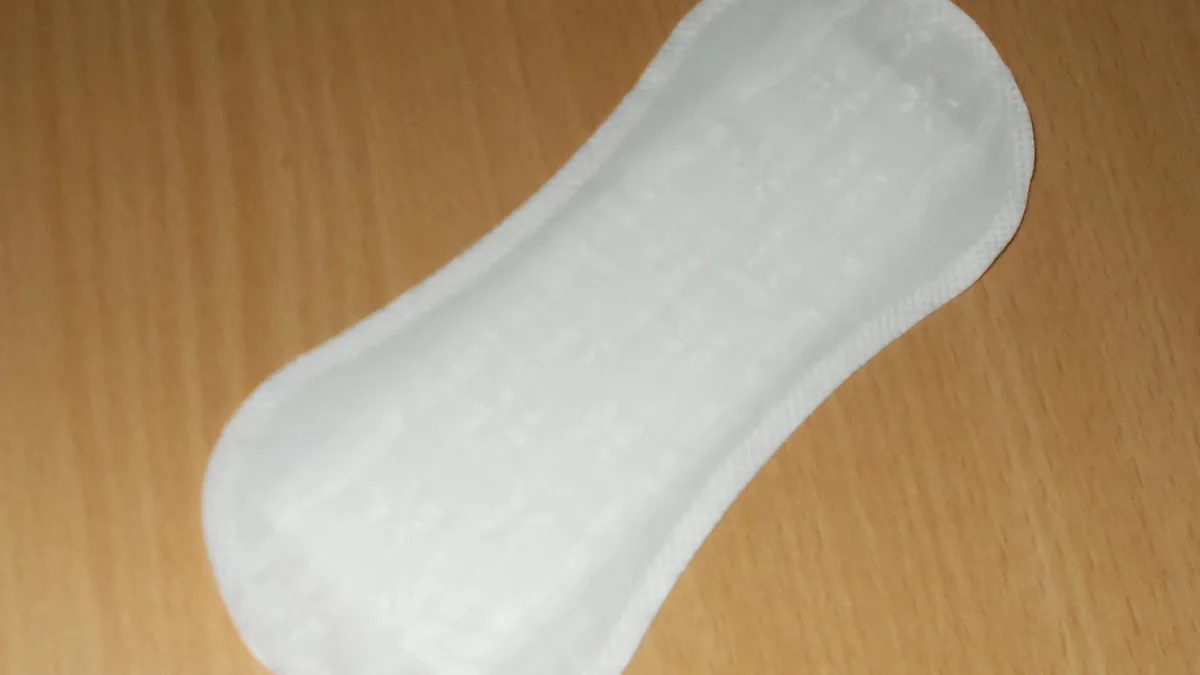
A new nationwide lawsuit alleges that Carefree panty liners contain toxic per- and polyfluoroalkyl substances — the class of synthetic chemicals commonly called PFAS or "forever chemicals" — without any health warning on the packaging. The lawsuit, filed against Edgewell Personal Care Brands LLC in October 2026, names EPA PFAS health-risk information specifically as a carcinogen allegedly present in the product's moisture-barrier and adhesive backing layers.
The complaint names Edgewell Personal Care Brands and its predecessor corporate owners, including Johnson & Johnson, Kenvue, and Essity, as defendants. Independent laboratory testing commissioned by environmental advocacy organizations reportedly detected fluorine concentrations exceeding 100 parts per million in the moisture-barrier and adhesive backing of tested panty liner samples. PFOA is a specific PFAS compound classified as a probable carcinogen by the U.S. Environmental Protection Agency, with known links to endocrine disruption and reproductive health effects. Edgewell denies liability and maintains its products comply with applicable regulatory safety standards.
Consumers using Carefree feminine hygiene products, reproductive healthcare advocates, and product liability litigants face serious toxic exposure questions following new nationwide lawsuits against Edgewell Personal Care. Women who used Carefree panty liners should review product batches, consult healthcare providers regarding unexplained endocrine or reproductive concerns, and explore alternative PFAS-free, certified organic cotton menstrual items. Consumers should track legal developments to determine eligibility for potential medical monitoring registries or product liability compensation programs.
Why Direct Skin Contact Matters More Than Ingestion for PFAS Exposure
Most PFAS contamination litigation to date has focused on contaminated drinking water, where fluorinated compounds enter the body through digestion and pass through the liver's filtering process. The legal arguments against Edgewell take a different pharmacokinetic path. Medical research cited in the complaint argues that vaginal epithelial tissue is a vascularized, permeable membrane — it delivers compounds directly into systemic circulation without passing through hepatic first-pass metabolism. In practical terms, that means chemical exposure through this route reaches the bloodstream more efficiently than the same compound consumed in drinking water, increasing potential bioaccumulation of PFOA in fatty tissue and organs.
Independent testing also suggests the PFAS presence in Carefree liners was not trace contamination from a supplier — fluorine concentrations above 100 parts per million in the adhesive backing indicate the compounds were incorporated intentionally for their water and oil repellency properties, a standard application of PFAS chemistry in absorbent consumer products. EPA PFAS rules and PFOA/PFOS coverage.
The lawsuit seeks court-ordered product reformulations and a medical monitoring registry for long-term users. California's Proposition 65 list already includes PFOA as a chemical known to cause cancer and reproductive harm; plaintiffs argue that failure to carry a Prop 65 warning constitutes an additional violation for California consumers.
State legislatures in California, New York, and several other states have passed or are advancing bans on PFAS in menstrual products and cosmetics. The commercial shift toward certified organic, plastic-free alternatives is accelerating among consumers aware of the ongoing litigation. Carefree products remain on shelves while litigation proceeds; no recall has been issued by the FDA. Explore PFAS-free alternatives to conventional feminine hygiene products.
Why is there a lawsuit against Carefree panty liners?
A major lawsuit alleges that Edgewell Personal Care exposed consumers to toxic per- and polyfluoroalkyl substances, specifically carcinogenic PFOA, in its Carefree panty liners without required health warnings. Filed in October 2026, the legal action claims the synthetic forever chemicals contact sensitive vaginal tissue, increasing long-term risks of reproductive harm and endocrine disruption.
Class certification hearings and potential settlement discussions will determine next steps in the litigation. Check back as court proceedings advance for updates on eligibility for medical monitoring registration.