Rahul Somvanshi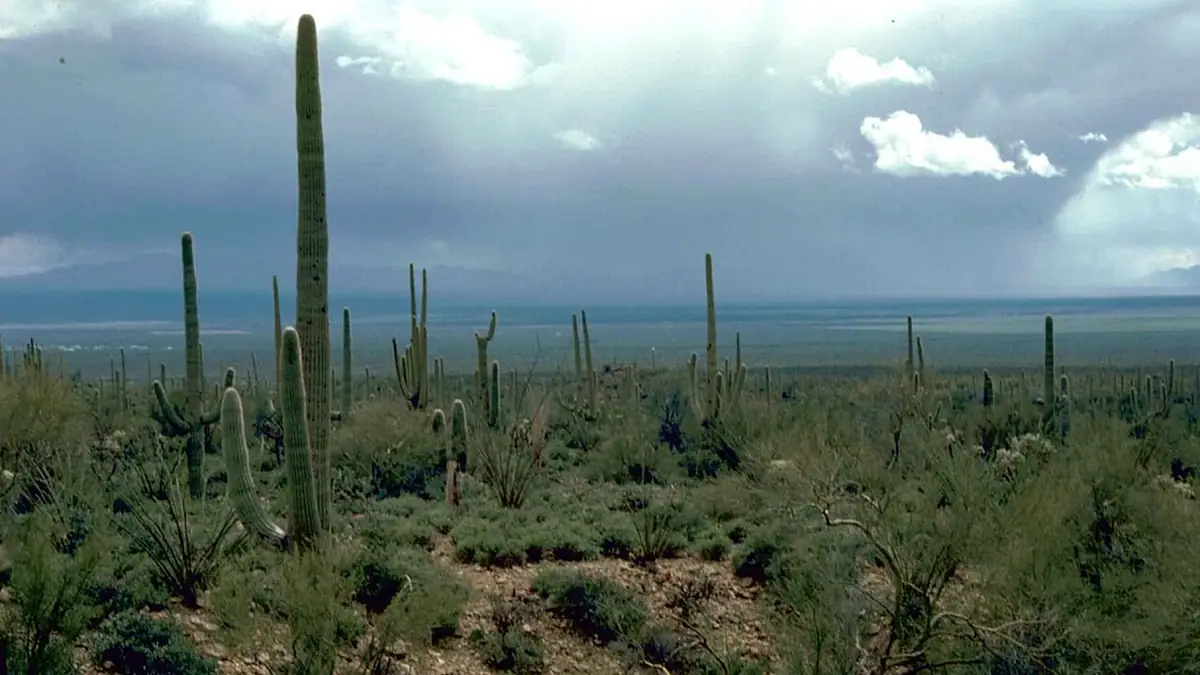
A viral speech about a border-wall project and “saguaro people” reflects a longstanding conflict between border infrastructure, Indigenous cultural sites and the Sonoran Desert ecosystem. The speaker’s words are an expression of Indigenous belief and political resistance, not a literal claim that a cactus has legal personhood in US law.
For many O’odham people, saguaros hold cultural and spiritual significance. The cactus is central to the Sonoran Desert landscape and supports wildlife through its flowers, fruit and nesting cavities. Large specimens grow slowly and can be centuries old.
Border-wall construction has repeatedly raised concerns around Organ Pipe Cactus National Monument and nearby ancestral lands. Earlier construction projects required road-building, blasting and excavation, and critics warned that those works could damage archaeological resources, groundwater systems and protected habitat.
Are sacred sites protected from border-wall construction? Federal laws can require consultation and environmental review, but Congress and executive actions have also created broad waivers for border-barrier projects. That tension is why tribes, conservation groups and local communities have turned to litigation and public campaigns.
The reel does not identify its date, exact location or case, so it should not be read as proof that a specific new project is about to destroy a mountain. Its larger point is verifiable: development decisions at the border can have irreversible effects on desert ecosystems and places that Indigenous communities regard as sacred.
Any current proposal should be assessed through its actual maps, permits, consultation record and environmental documentation—not only a compelling speech. Those records are where the impact on saguaros, wildlife corridors and cultural resources can be independently checked.