Rahul Somvanshi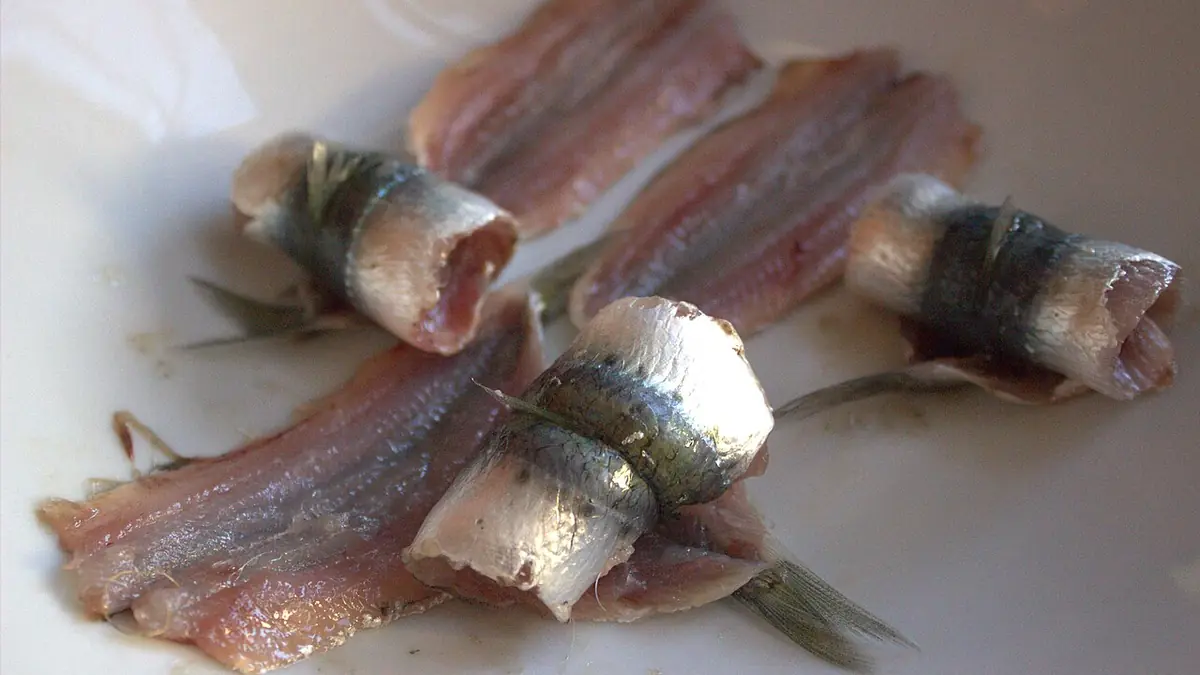
A viral nutrition ranking puts beef liver and oysters at the top, sardines and beef just below them, eggs in the middle, and chicken breast near the bottom. The food facts behind several of those placements are sound. But “bioavailability” is not a single score that can reliably rank every food for every person.
Bioavailability describes how much of a nutrient the body absorbs and uses. It depends on the nutrient, the food’s preparation, the rest of the meal and the person eating it. A useful food for vitamin B12 is not automatically the best choice for omega-3 fats, protein, iron or a person with a particular health condition.
Beef liver is exceptionally nutrient-dense, particularly for vitamin B12, vitamin A, iron and copper. That makes it a food to eat in sensible portions rather than a daily challenge: liver can provide very high amounts of preformed vitamin A, and people who are pregnant or planning pregnancy should seek individual clinical advice before regularly eating it.
Oysters also supply substantial vitamin B12, zinc and other minerals. Sardines are a strong option for protein and omega-3 fats; canned sardines eaten with their bones can add calcium and vitamin D. The National Institutes of Health’s nutrition fact sheets note that seafood is a source of the omega-3 fats EPA and DHA, while vitamin D content varies widely between foods and products.
Eggs provide high-quality protein and a range of micronutrients, including choline. They do contain dietary cholesterol, but calling that their main nutritional feature is too narrow. Nutrition decisions about eggs also need to account for the overall dietary pattern and a person’s cardiovascular risk factors.
Grass-fed beef provides protein, vitamin B12, iron, zinc and selenium, as the reel says. The differences between grass-fed and conventionally raised beef do not turn one into a universal nutrition winner. Portion size, saturated-fat intake and the rest of the diet remain relevant.
Chicken breast is lean and is not “micronutrient-wise boring” in any literal sense: it supplies protein and nutrients such as niacin, vitamin B6, phosphorus and selenium. It may rank lower than organ meats or shellfish for some micronutrients per serving, but it can still be a practical staple.
What is the best animal-based food for nutrient absorption? There is no universal answer. If the goal is B12 or zinc, shellfish and liver can be especially concentrated sources. If the goal is EPA and DHA, oily fish is a more direct choice. If the goal is lean protein, chicken or fish may fit better. Variety is more useful than treating a social-media tier list as a prescription.
People with gout, haemochromatosis, high cholesterol, kidney disease, seafood allergy, pregnancy-related nutrition needs or other medical conditions should not use a broad ranking as personal medical advice. A registered dietitian or clinician can adapt food choices to individual needs.