 Tejal Somvanshi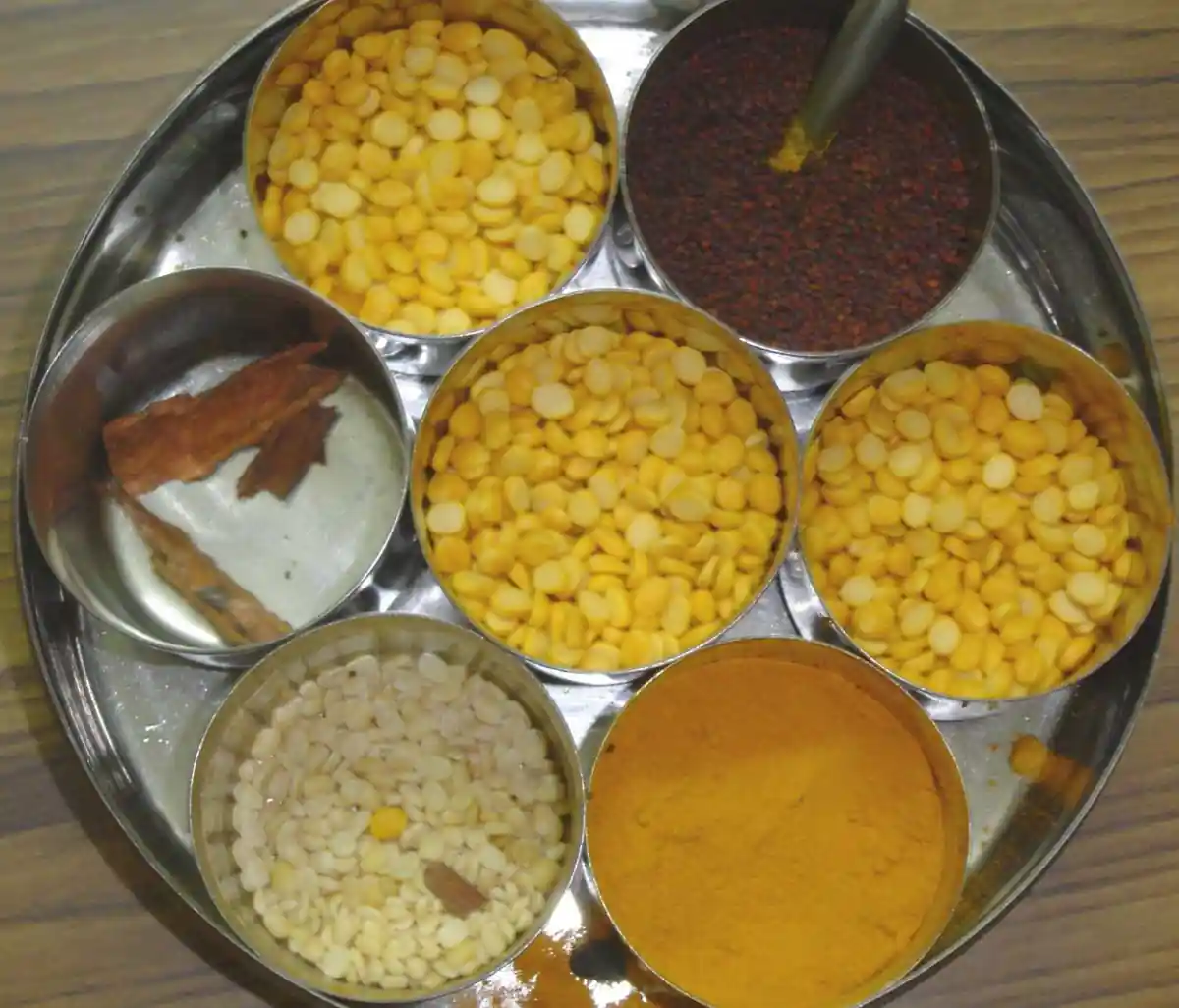
A video claiming that Indian food can cure asthma and allergies overstates what food can do. Spices and home-cooked meals can be part of an enjoyable, balanced diet, but they are not proven cures for asthma or allergic disease, and they should not replace prescribed treatment.
Asthma is a long-term condition in which the airways become inflamed and narrowed. Symptoms can often be controlled, but a person should not stop or reduce prescribed inhalers because of a food-based claim. Allergies also have different causes and treatments depending on the trigger and the person.
The reel names cumin, turmeric, garlic, onion, mint and other ingredients. These foods can have nutritional value and may be well tolerated by many people. That does not establish that eating them will prevent asthma attacks, reverse airway inflammation or cure an allergy.
What evidence-based asthma care involves
The National Heart, Lung, and Blood Institute describes asthma as a chronic lung disease and advises people to work with a health professional on a personalised management plan. Depending on a person’s diagnosis, that can include avoiding known triggers, using prescribed medicines and monitoring symptoms.
Inhalers are not evidence that people lack access to food-based approaches. They deliver medicines that have been tested for their ability to open airways or reduce inflammation. Some people may need a reliever inhaler for sudden symptoms and a preventer medicine to lower the risk of attacks; the appropriate plan depends on an individual assessment.
Food can matter in a different way. A varied diet may support overall health, and people with food allergies must avoid foods that trigger reactions. But “natural” does not automatically mean safe for every person. Spices, herbs and foods can themselves cause allergic reactions in some people, and supplements may interact with medicines.
Can Indian food cure asthma or allergies? No reliable clinical evidence shows that Indian food or a combination of spices cures asthma or allergies. Food can be part of a healthy diet, but it is not a substitute for an asthma action plan, prescribed medicines or allergy assessment.
Anyone with worsening wheeze, breathlessness, chest tightness or a severe allergic reaction should seek urgent medical help. For ongoing symptoms, the safer response is to discuss them with a qualified clinician rather than changing treatment on the basis of a social-media claim. The NHS asthma guidance also advises people to keep using prescribed treatment and obtain medical help when symptoms worsen.
Traditional cuisines deserve to be enjoyed for their taste, culture and nutrition. The problem begins when a meal is marketed as a cure and encourages people to delay proven care. Clear claims, good evidence and individual medical advice are more useful than a one-size-fits-all promise.