Rahul Somvanshi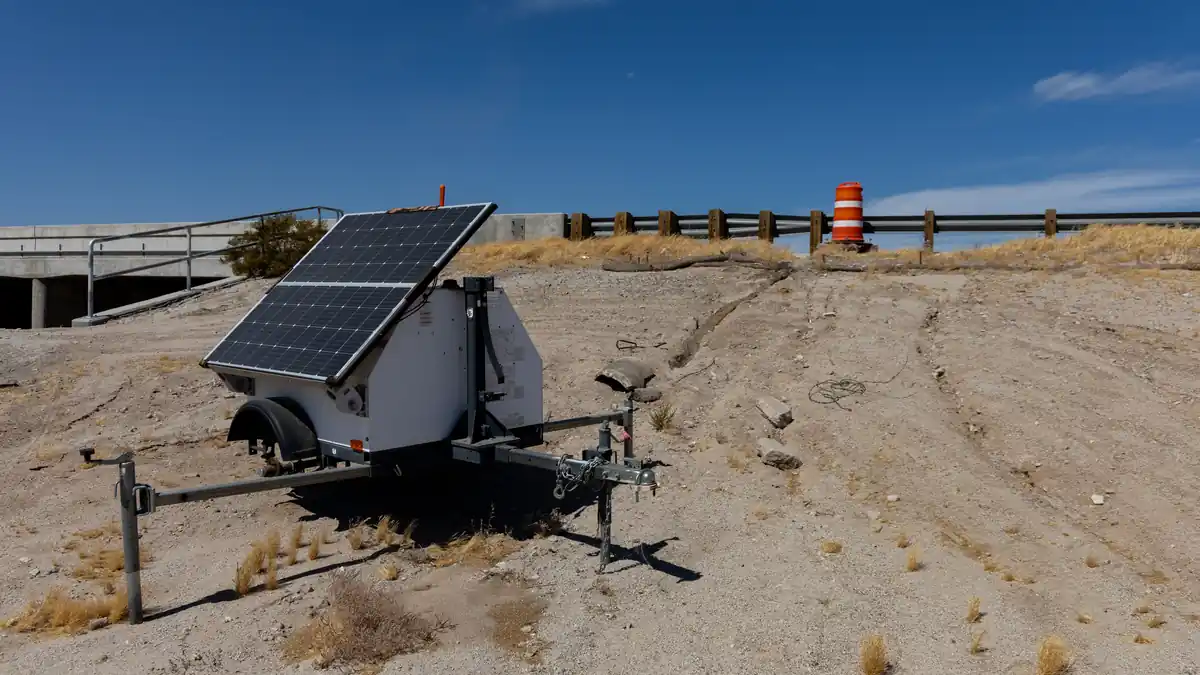
Flock Safety, which supplies automated license-plate cameras to police departments across the United States, is preparing for a large reduction in its workforce. Reuters reported the company plans roughly 270 departures — about 18 percent of its roughly 1,500-person staff, per reports — following a voluntary separation program offered last month. Flock declined to comment to Reuters on those specific figures. A company spokesperson subsequently confirmed the voluntary program itself to TechCrunch, characterizing it as voluntary rather than a layoff, without confirming the reported 270-person count. Here is what the reporting confirms, and what remains unverified.
Reuters reported in October 2026 that Flock Safety planned approximately 270 departures from its workforce of about 1,500 people, per reports. The exits were expected largely by the end of October, with some participants potentially asked to remain for one to three additional months, according to reporting. Reuters attributed the figures to people with direct knowledge of the plan. Flock Safety spokesperson Paris Lewbel confirmed to TechCrunch that a voluntary separation program had taken place, but characterized it as a voluntary program, not a layoff, and did not confirm the 270-person figure or 18-percent calculation. The company makes automatic license-plate reader cameras it sells to municipal police departments on subscription contracts. It has faced growing public scrutiny over privacy concerns and opposition from civil liberties organizations. Affected roles, per TechCrunch, included departures across the company.
Municipal law enforcement liaisons, city procurement managers, and license-plate reader technicians face shifting operational support as Flock Safety sheds workers. Municipalities evaluating automated surveillance contracts should audit current service-level agreements and maintenance response timelines. Public safety departments relying on rapid hardware repair should confirm whether regional field engineering coverage remains intact.
The Attribution Distinction That Matters
The most important framing issue here is sourcing. Reuters did not report a company announcement. It reported the plans of people with direct knowledge of the company’s intentions. Flock Safety’s spokesperson confirmed the voluntary program to TechCrunch but called it voluntary rather than a layoff, and did not confirm the 270-person figure, the 18-percent calculation, or the end-of-month timeline. That means the specific departure count, the percentage, and the timing are all reported plan details — not confirmed company policy. Workers and customers should use internal HR communications for eligibility, timelines, and any benefit details.
Flock Safety’s camera product passively captures vehicle plates and cross-references them against law enforcement hotlists for stolen vehicles and wanted persons. The technology has expanded across thousands of jurisdictions since the company’s founding. Privacy advocacy groups and some city councils have questioned whether the scale of passive tracking it enables is appropriate in public spaces, and that municipal pushback has complicated the company’s renewal pipeline in some markets, according to reporting.
Reuters reported that Flock Safety planned about 270 departures — roughly 18% of its workforce — after a voluntary separation program. The report cited people with direct knowledge. A company spokesperson confirmed the voluntary program to TechCrunch but characterized it as voluntary rather than a layoff and did not confirm the reported figures, so the specific numbers should be treated as reported rather than company-confirmed.
The reported departure timeline places most exits by the end of October 2026, with some participants potentially remaining for one to three additional months. Municipal contract renewal decisions and any official company response confirming the scale of workforce changes are the key developments to watch. Check back for a Flock Safety public statement or any formal announcement as the month-end period approaches.