Sunita Somvanshi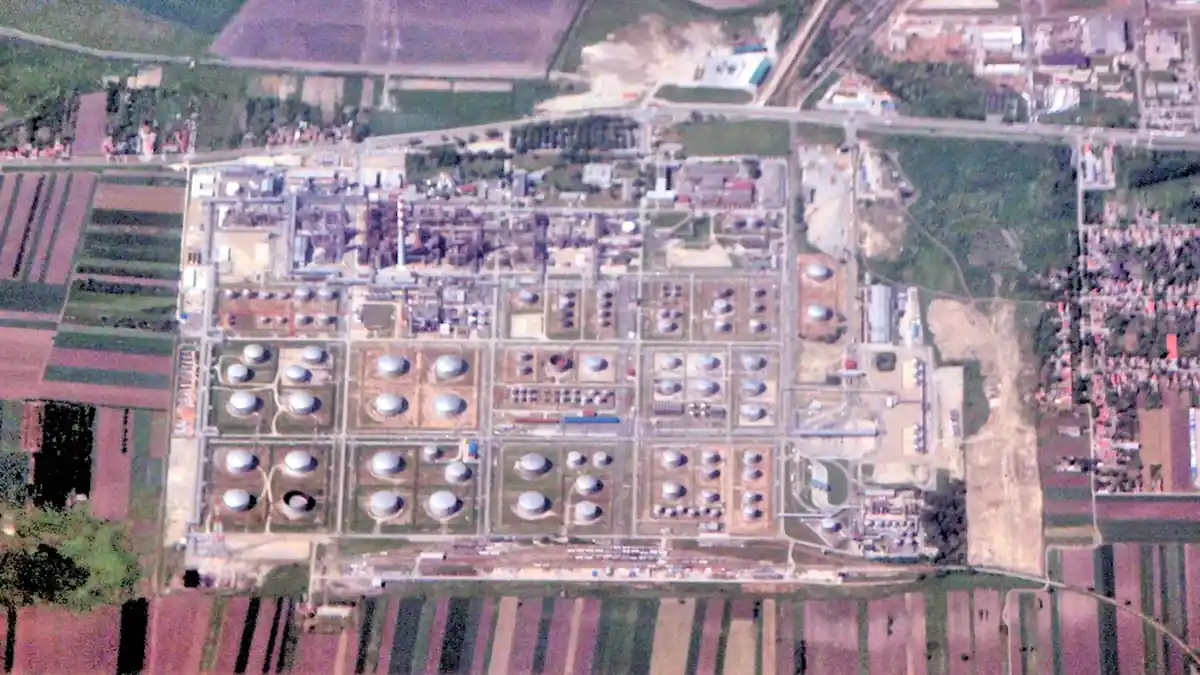
If you hold energy stocks or budget for business fuel, the third quarter offers a clear lesson. Refiners, the companies that turn crude oil into gasoline and diesel, led energy returns. Marathon Petroleum's stock returned 55.1% in the quarter, according to Forbes columnist Robert Rapier. Here is why refiners did so well, and what could reverse it.
The energy sector gained 16.5% in the third quarter of 2026, the best of any sector and ahead of the S&P 500's 2.0% return, according to Rapier's analysis. Rapier attributes much of the gain to refiners, not oil producers. Marathon Petroleum (MPC) returned 55.1%, the top result among the Big Three refiners. Phillips 66 returned 51.8% and Valero returned 49.4%. Refiners earn more when the gap between crude oil prices and fuel prices widens. That gap is called the crack spread. Rapier said refining margins widened after disruptions to Russian and Middle Eastern refining capacity tightened the global market for transportation fuels.
Investors should understand that refining profits move with crack spreads, which can narrow quickly. Rapier notes that high margins may not last. Inference: a quarter like this does not guarantee similar returns. Businesses that buy diesel should track refining margins as well as crude prices, since fuel prices can rise even when crude is flat.
Refinery shutdowns for maintenance can tighten fuel supply, which lifts margins. Think of a refinery as a single gate on a busy road: when it closes for repairs, the traffic backs up and the toll rises. Rapier's analysis points to disruptions to Russian and Middle Eastern refining as a cause of the widening. For more on oil markets, see Karmactive’s emergency oil-release coverage and Karmactive’s fuel-pricing coverage.
Can Marathon Petroleum sustain its margins into 2027? Rapier writes that high margins may not last. Margins depend on fuel demand and refinery supply, which can shift quickly. This article does not forecast 2027 earnings.
Refiners led energy stock returns in the third quarter. Rapier attributes refiners' gains to wider crack spreads, the gap between crude and fuel prices. Marathon Petroleum returned 55.1%. Businesses that buy diesel should watch refining margins too. Check back for updates.