 Rahul Somvanshi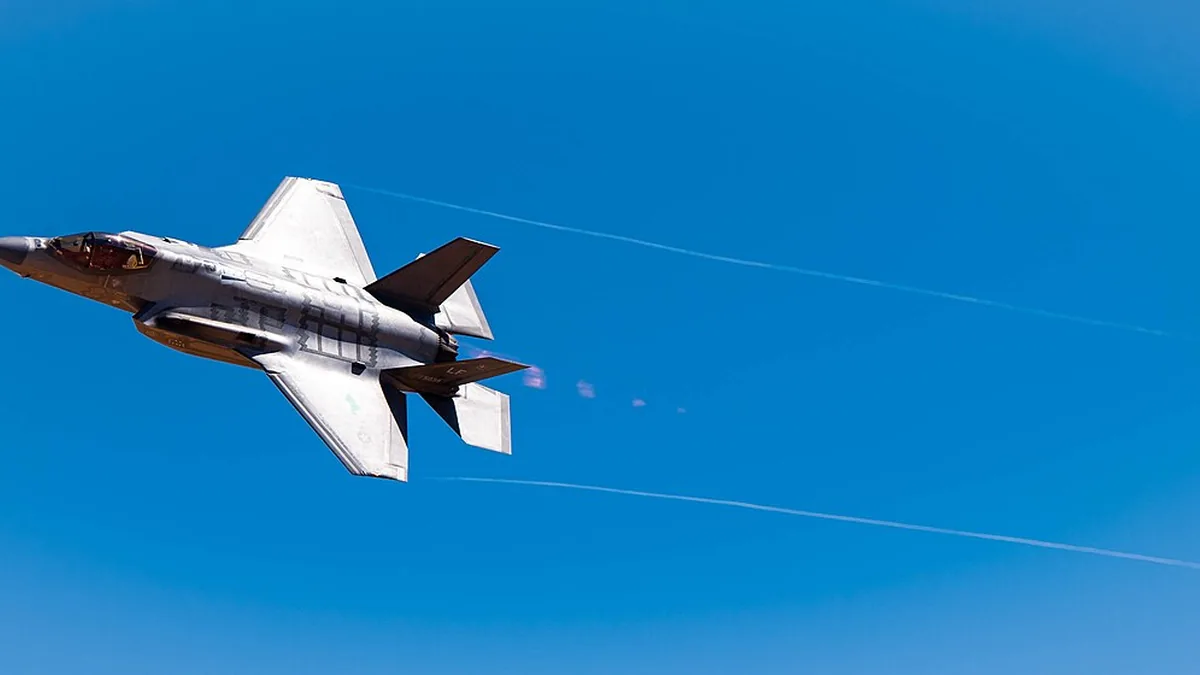
Export compliance officers and logistics managers have a new question to answer. Bloomberg reported on September 23 that Chinese authorities reportedly came into possession of F-35 components diverted to Hong Kong while being shipped from Australia to the United States. The Pentagon says it is working to retrieve them. Here is what has been reported and what remains unknown.
The components were a cockpit canopy and a weapons-bay door from a Royal Australian Air Force F-35, according to Bloomberg. They were being sent to the United States for inspection and possible repair or disposal. The UPS flight travelled from Australia to a transit hub in South Korea, and was then diverted to Hong Kong, Bloomberg reported. Bloomberg said it is not yet clear why the route changed or whether the change was a mistake. Its unnamed sources said both items were coated with radar-absorbing material. Australian Defence Minister Richard Marles said it was his understanding that the consignment did not contain sensitive parts.
For defense contractors and freight forwarders, this case shows that a shipment of F-35 parts can end up in a foreign jurisdiction after a routing change. Companies that ship sensitive components through commercial carriers should review how routes are set and changed.
Export controls decide where military goods can go. In the US, those rules fall under the International Traffic in Arms Regulations, known as ITAR.
The Pentagon's F-35 Joint Program Office said: "We are actively working with US authorities and industry partners to retrieve these components, investigate the incident, and place safeguards to avoid a future occurrence."
What specific F-35 components were intercepted in Hong Kong? Bloomberg identified them as a cockpit canopy and a weapons-bay door, according to its reporting. The Hong Kong government declined to comment on individual cases. China's Foreign Ministry said it was unaware of the matter. Readers looking at the broader supply chain can start with export-control enforcement coverage, and for the earlier coverage, see the earlier Australia F-35 parts coverage.
Bloomberg reported that F-35 components were diverted from Australia to Hong Kong, and that Chinese authorities reportedly came into possession of them. The Pentagon says it is working to retrieve them, and officials have not explained why the route changed. Check back for updates.