October 2026 Global Temperature Surge: NOAA Logs 2.57°F Largest Monthly Departure As 11 Major Cyclones Form
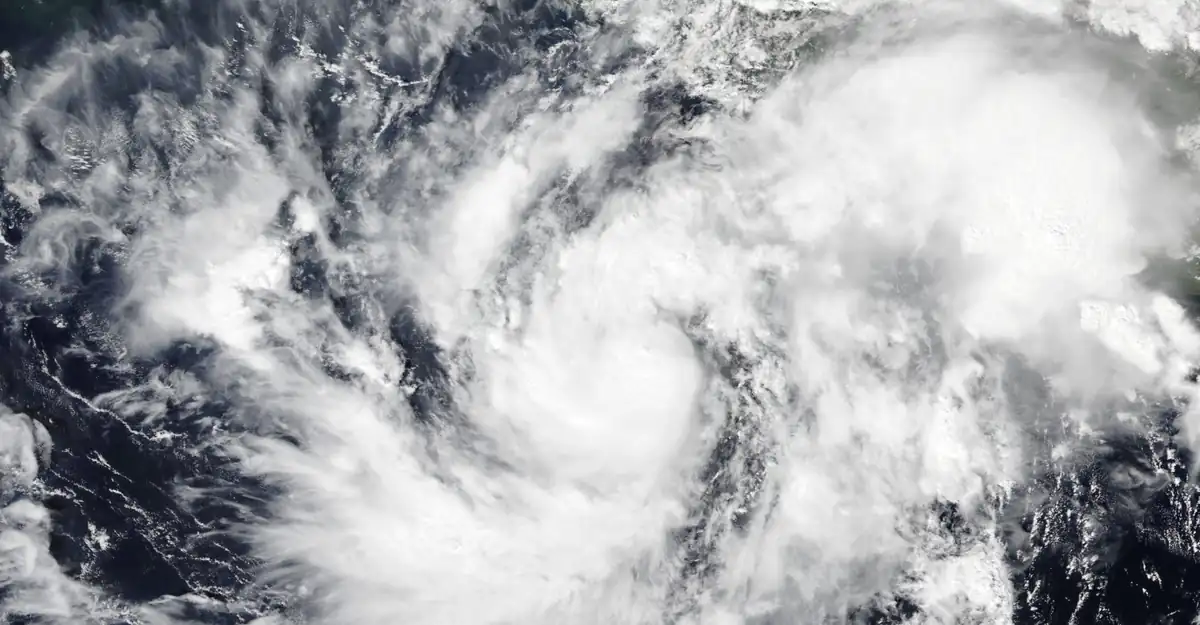
October 2026 global temperature records arrived together. The month brought the strongest departure from average in NOAA’s 1850–2026 record. It also set a fifth consecutive monthly ocean record and saw tropical cyclone activity surge across the Pacific. For people following El Niño, the figures show how an unusually warm month coincided with record-setting storms and low polar sea ice.
NOAA’s National Centers for Environmental Information reported that the global surface temperature in October 2026 averaged 2.57°F (1.43°C) above the 20th-century average. That was the largest departure recorded for any month since records began in 1850. It surpassed the previous October record, set in 2023, by 0.14°F (0.08°C), and the previous all-month records from September and November 2023 by 0.05°F (0.03°C).
Land temperatures were 3.74°F (2.08°C) above average, making it the third-warmest October over the 177-year record. The ocean surface temperature departure reached 2.05°F (1.14°C) above average. That set the highest monthly ocean temperature departure in the record and extended the run of monthly ocean records to five consecutive months.
The global figures describe how far temperatures sat above a historical average; they do not mean every place experienced the same conditions. Land and ocean temperatures differed, and local weather varied across regions.
For people, the figures document broad warmth across both land and ocean, alongside unusual storm activity. October’s numbers provide a measure of the month’s conditions, while the year-to-date ranking offers context for how 2026 compares with recent record years.


Latest from Environment

First of a Kind Rail Awards Put £4.8M Into 23 UK Safety Projects
Rail infrastructure defects and trackside hazards are among the issues the First of a Kind rail 2026 competition aims to address. It is supporting 23 projects with £4.8 million in funding from

Wallsend Waste Wood Site: Brothers Sentenced Over 8,000-Tonne Pile
Residents and businesses near Davy Bank in Wallsend were put at risk by a large pile of waste wood stored without an environmental permit, the Environment Agency said. Officials estimated about 8,000

Canada Taps 19 Projects For Carbon Dioxide Removal Credits Aiming At ‘Hard-To-Decarbonize’ Defence Emissions
Canada’s national standing offer for carbon dioxide removal credits gives federal departments access to credits from 19 Canadian projects. It creates a potential route for clean-tech developers to sell permanent carbon removal.
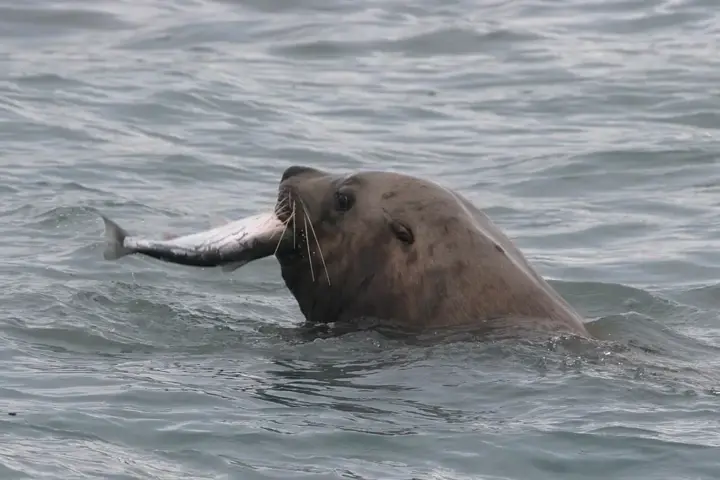
Culling Seals and Sea Lions Won’t Save Salmon, NOAA Study Finds
One question for West Coast salmon managers and anglers is whether removing seals and sea lions from the ocean can help Chinook and coho recover. A NOAA Fisheries and Oregon State University

UK COP31 Antalya Outcome: Six Climate Priorities Before COP32
The UK government said countries must act more urgently to cut emissions and build resilience to climate shocks. After COP31 in Antalya, it criticized the Presidencies’ proposed cover decision, saying it “moves
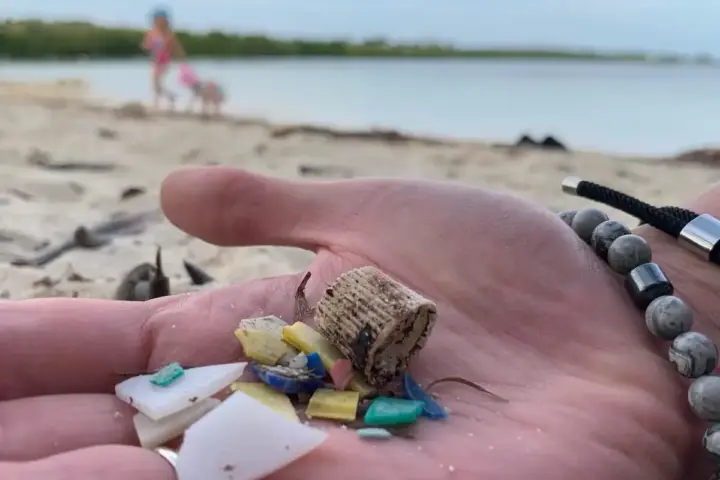
Microplastics React With Water to Form Cell-Damaging Radicals
For people concerned about plastic exposure, a 2026 study describes how microplastics react with water through a possible chemical process at plastic–water interfaces. It does not measure the risks of drinking bottled

PFOS in English Rivers Fell 30% Since 2016, Fish PFOS Down 49%
For people who fish, live beside a river or follow water quality in England, new monitoring brings measurable progress alongside a reason to keep watching. Between 2016 and 2025, PFOS in English

UK Depot Charging Scheme Opens £38M Grant for Electric Vans and HGVs
UK fleet operators planning depot chargers for electric vans, HGVs or coaches can apply for a share of £38 million in government funding. For projects implemented in 2027/28, the Depot Charging Scheme
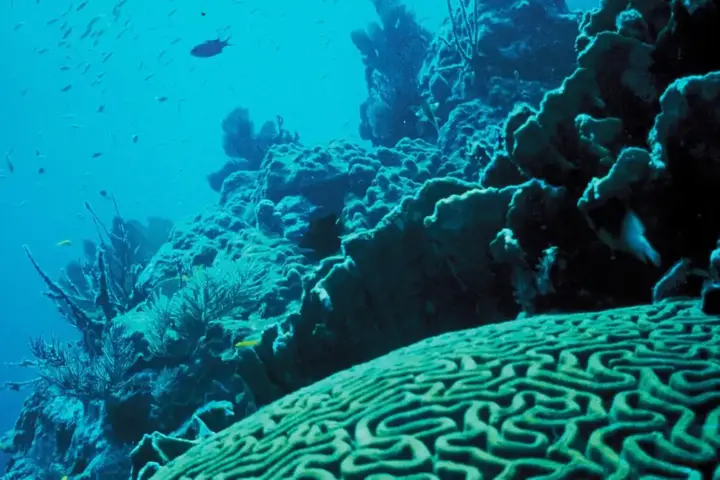
UK Pledges £20M at COP31 to Protect Coral Reefs and Oceans
For people who depend on healthy seas, the UK’s new COP31 funding backs coral reefs and oceans through reef-friendly businesses and better ways for governments to account for ocean health. Announced on
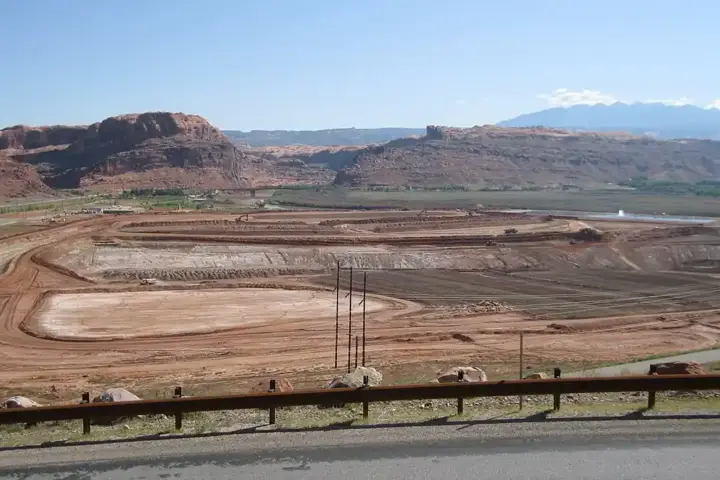
EPA Begins Removing 2,200 Supersacks of Radioactive Waste in Oklahoma
If you live near the Arkansas River or the Fansteel Metals site near Muskogee, EPA says to stay behind the security fencing and follow warning signs. The agency began removing radioactive waste

First 2,000-Acre Kelp Farm Permitted Off Ventura, California
A kelp farm permitted off Ventura, California, now gives coastal communities and growers a proposed new agricultural input: giant kelp grown in federal waters. Ocean Rainforest has secured all major permits for

FDA San Pedro Shelf Shellfish Survey Finds Waters Not Approved for Harvest
FDA Survey Finds San Pedro Shelf Federal Waters Do Not Meet Approved Shellfish-Harvest Requirements Southern California seafood buyers may wonder whether the FDA’s finding about the San Pedro Shelf affects shellfish in
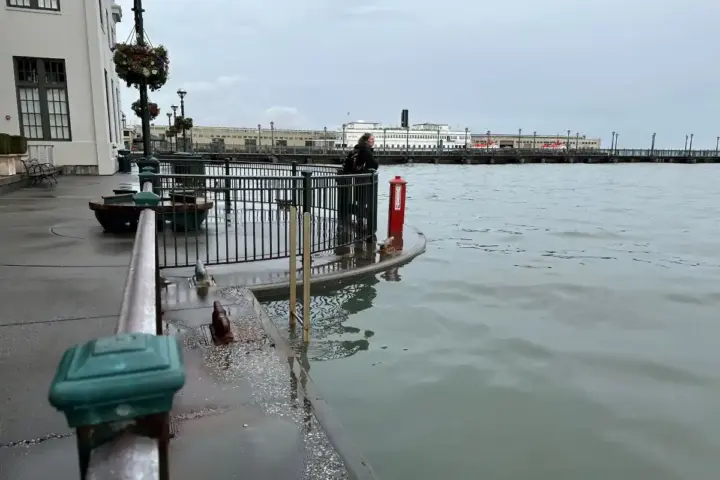
San Francisco High Tides and Storm Bring Bay Area Flood Risk
Bay Area residents and Thanksgiving travelers should prepare for coastal flooding Tuesday and Wednesday, when a strong storm system is expected to coincide with King Tides, according to the National Weather Service
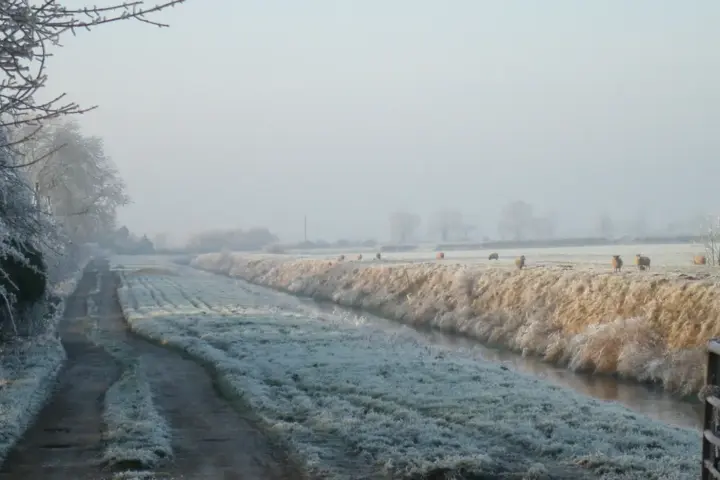
UK cold weather alert extended as temperatures fall to -10 C
Sub-zero temperatures are gripping large parts of Britain, and the cold is not retreating yet. The UK cold weather alert extended by authorities this week means the freeze will hold through Tuesday
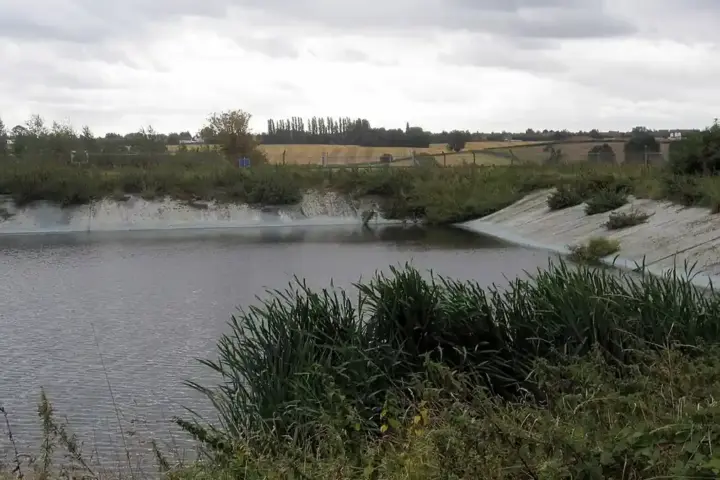
Defra Water Management Grant Round 3 Opens for English Farm Reservoirs
Growers and other eligible applicants in England can apply for a share of up to £15 million in Water Management Grant round 3 from November 30, 2026, to help fund irrigation reservoirs,